
Before we begin, I just found out that Natalie Goldberg put out a new book in July. How did nobody tell me? And she wrote a whole book about haikus?
Don’t worry, reviews are forthcoming. Just as soon as I read them.
Today, though, I want to talk about a different kind of book. Ten different ones, to be specific.
Some of the best writing advice from Stephen King is to “Read a lot and write a lot.” Alright, fair enough. But what should we read?
There are many lists of books writers should read to be better at our craft. And while that’s great and all, these lists can be highly subjective. My original plan for this post was to write a list of books I think every writer should read. But there again, my list was highly subjective. I always suggest Dance Macabre, but that book isn’t going to do shit for you if you write historical fantasy.
So what we have instead is a list of ten kinds of books every writer should read. Feel free to fill in the blanks yourself.
Books everyone loves
The ever-popular books are popular for a reason. Well, sometimes. Sometimes things are popular just because they’re popular. But even then, it doesn’t hurt to know why everyone in your internet circles can’t shut up about a book.
Books everyone hates
Sometimes you hear about a book for very different reasons, because no one can shut up about how bad it is.
Reading a bad book can be incredibly educational. You learn all the things not to do. This is easier with a laugh track though, if you can get it. A great example of this is the Behind The Bastards episode where Robert reads a book by Ben Shapiro.
(Take a bullet for you, Babe. IYKYK.)
Books in your genre
This one’s a no-brainer, right? And if you’re writing in a genre, you’re probably already a fan. No one had to tell me to read Stephen King and Anne McCaffrey. I just wanted to.
Books as far removed from your genre as possible.
This is the one that seems to throw people. But we don’t learn to write just by reading our own genre. We learn by reading widely. We also open ourselves up to unexpected joy. For instance, I have no interest in writing historical fiction. But I read the hell out of Philippa Gregory.
A brief understanding of other genres can greatly help your understanding of your own. And there’s always a chance you’ll be inspired by it. While I’m not likely to write historical fiction, I might write a historical fiction slasher.
That’s a pretty good idea.
Books that teach you about writing
I love books that teach you about writing. Mostly because I love to hear other writers talk about writing.
Even if you don’t agree with all of the advice, it’s great to get someone else’s perspective on the craft. Some of my favorites are On Writing, Elements of Style, and anything Natalie Goldberg writes.
Books that teach you about anything else
Anything you learn can feed your writing. I mean anything. I’ve toured coal mines my whole life (I live in Western PA) and this has influenced my writing. You can see it even in my fantasy work, like in Starting Chains.
Read about history, science, and politics. Read about anything that sparks interest in you. I often find I don’t even try to intentionally write about things I learn in my books. I just do it. The book I’m writing right now is going to have a character who likes bugs because I like bugs.
Learn about anything that brings you joy.
Books that teach you the history of your genre
I mentioned Dance Macabre earlier. It’s an overview of the gory history of horror.
I’m sure it isn’t the only one like that. And I’m equally sure that there are books that go over the history of other genres. I just haven’t found them yet.
Understanding the roots of your genre is imperative. Even if you don’t love the classics (and some of them are dry AF) it’s important to know them.
I’ve read Dracula. I’ve read Frankenstein, Dr. Jeckle and Mr. Hyde, Beowolf, The Oddessy, and Lord of The Rings. Some of these these were fantastic. Some were a learning experience. None of them were ever a waste of my time.
Short story collections
Every story has something to teach us about writing. Short stories are a different form of storytelling than novels. So if you want to write short stories, and there are many reasons to write short stories, it stands to reason that you’d want to read enough of them to see how a smaller plot and smaller cast are achieved.
Poetry collections
Writing an eloquent, beautiful line is a joy. Conveying an emotion that seems brand new and also impossible to deny. Like dust brushed off a desk flutters in a sunbeam, dancing fairies who might have attracted the muses if we weren’t so intent upon our cleaning.
You can picture that, can’t you? I certainly hope so.
The best place to find this sort of writing is in poetry. Poetry is like a sketch of an emotion. It should make you feel like you’re standing in a certain place at a certain time.
If you can convey this in prose, you’re doing alright.
Comic books
Finally, I’d like to make the suggestion that you read some comic books.
Comic books, first off, have some fantastic stories. Especially the indie ones. Bone was fantastic. So was Transmetropolitan, The Boys, Maus, and Preacher.
Reading comic books lets you focus on the dialog. I read a lot of comics when I’m working on AA scripts because that’s all dialog. It was a great education. And, frankly, it was fun.
We are on day five of the PBW Anniversary celebration. Like this post and leave a comment to be entered to win a copy of Quiet Apocalypse. And I’ll see you back here again tomorrow.
If you liked what you saw here today, please consider liking and sharing this post. Or you can support the site financially on Ko-fi.
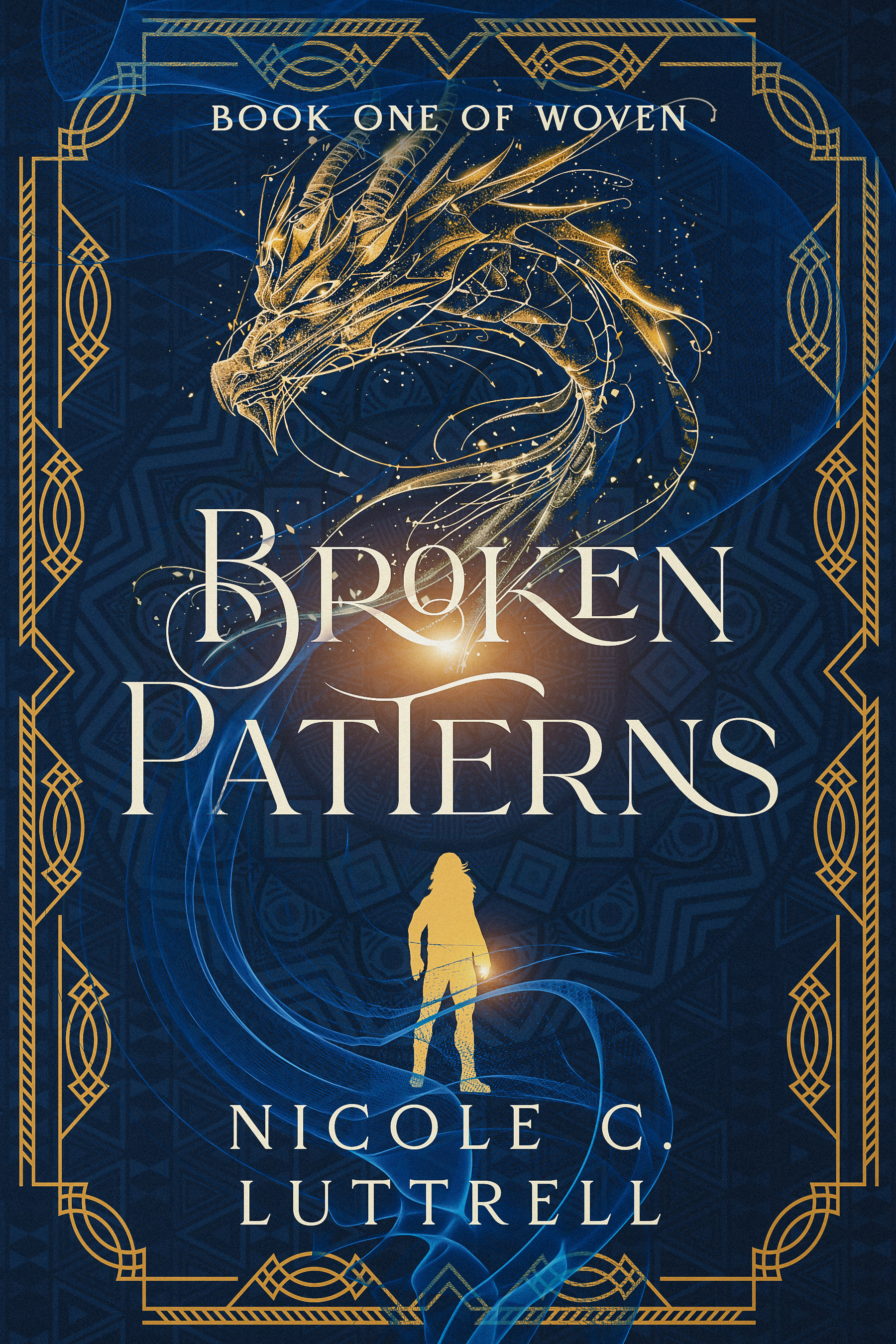
Broken Patterns is available now for preorder! You can order it now on Amazon.

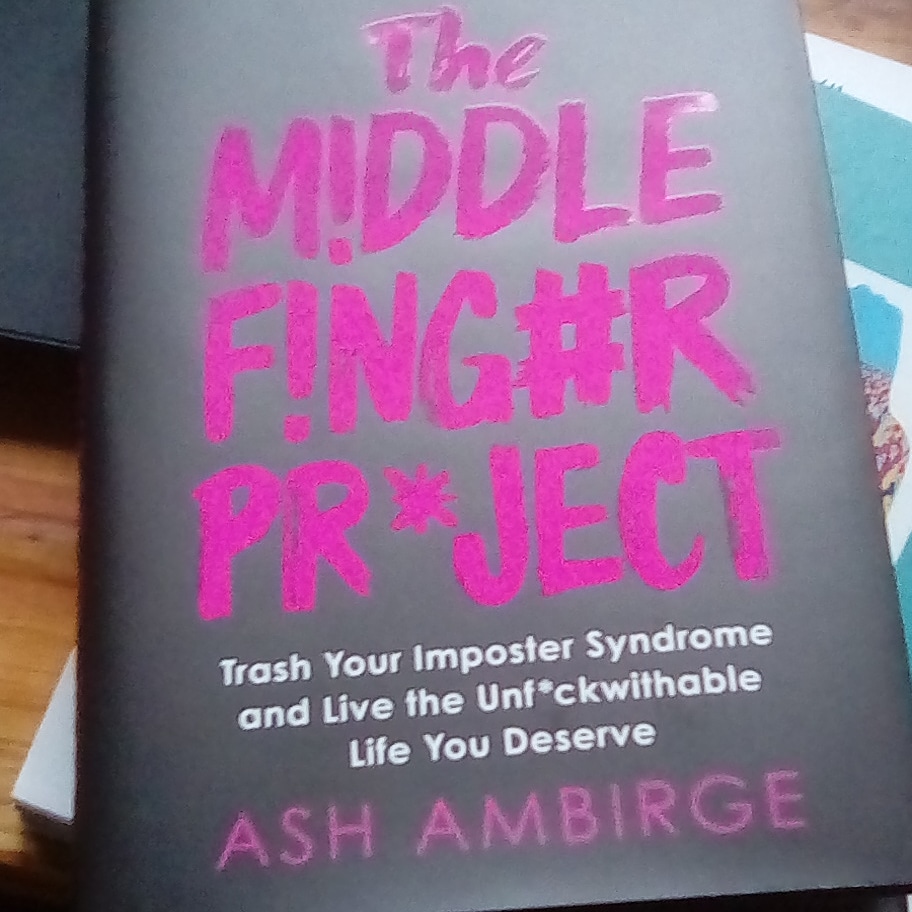 Honestly, if you’ve been around PBW for any amount of time, you’re fully aware that Ash Ambridge is basically my Beyonce. Which isn’t to say she’s a musician that a lot of people fawn over. No, I mean in terms of inspiration. Her blog, also called The Middle Finger Project, inspires me with every post. And if you want to live, actually live, then she should be inspiring you.
 Paper Beats World
Recent Comments