
Short novels and novellas are a pleasure. There’s a weight to them, paradoxically. Short fiction seems to punch us in the gut stronger than long fiction. Maybe it’s just me, but I often feel like the shorter the piece, the stronger the impact.
I’ve written before about brevity being a strong point in horror. But I have a deep respect for short works in any genre. Though I’ll admit that some genres lend themselves more to the form, you can find great short stories in any of them. Fantasy might not seem like something that can work well in a short time, but one of the best fantasy books I’ve read is This is How You Lose The Time War.
To write a short piece of fiction takes a different set of skills than writing a long piece of fiction. It’s one that not all authors have the ability to do. Stephen King comes to mind, much as I love him. Even his short stories are bloated, as far as short stories go. But if you want to write good short novels, short stories and microfiction, here are some things to keep in mind.
Every word matters
When you have a tight word count, every word matters. Elements of Style begins with the advice to omit needless words, and that is good advice. It’s also part of the fun of it, for me. When I write microfiction, it’s almost like a puzzle. How do I say all that I want to say within the word count? How do I convey all of the emotions? How do I tell the whole story?
One tip I love is using every bit of word count you can get. This means incorporating the title into the storytelling.
Short fiction has no room for fluff. No room for over-explanation. You have to cut it down to only the words that matter.
Subplots need to do double duty and be scarce
We all love a good subplot. Bits and pieces that add fun and flavor to a story but aren’t essential to a plot.
This one doesn’t exactly impact microfiction, as there’s no room for subplots there at all. But short novels will certainly have a few.
Think of it as the difference between an old-school TV episode, and the season-long stories shows have now. An episode of a show will have an A plot and a B plot. They might or might not impact each other. But a season of a modern show will have at least a handful of storylines. Maybe too many, depending on the show.
With short fiction, of course, you want to have as few subplots as you can get away with.
Maybe you have a romantic subplot that also foreshadows a backstory for the antagonist. Maybe a lost pet leads to a comedic story and gives more character development to a secondary character. Or maybe the main character. We’ll talk more about that in the next portion.
Fewer characters
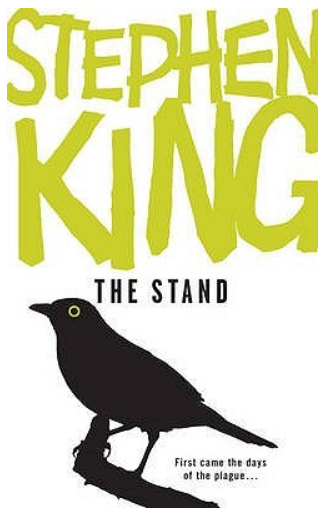
In short fiction, you’re not going to have a huge cast of characters. It’s not like Wheel of Time or The Stand. Long fiction has lots of space to grow many, many characters.
Short fiction feels more intimate, and part of why is the smaller cast. Consider This is How You Lose The Time War, which only had two characters.
When you only have space for a handful of characters, it’s like the difference between attending a big party and an intimate dinner. You have more opportunity to get to know the people at that dinner. For better or worse. You’ll be more likely to learn secrets about others in that setting. Who went off their meds. Who cheated on their partner. Who has a dark secret about something hidden in their basement. Something that makes them afraid to go down there.
Something that might reach out through the shadows.
Having fewer characters to focus on means you can know those characters inside and out.
Writing a short novel, or any short piece takes practice. It’s not easier than writing a long piece. It sometimes might even take more time than the longer pieces because they require so much attention to detail. But a good piece of short fiction can be a gut punch in the very best way. And even if you don’t intend to write short forever, it’s a good skill to have.
Want a way to organize your novel writing journey? Check out my novel planner on Ko-fi.






 Paper Beats World
Recent Comments