Ten toxic lies I believed about being a writer

I’ve wanted to be a writer since I was thirteen years old.

Thirteen years old is still basically a child, despite the insistence to the contrary by any thirteen-year-old. And some Republican lawmakers. Children don’t have a very good grasp of what their dream careers actually look like. When a kid wants to be a doctor they don’t imagine the paperwork or fighting with insurance companies. And when a kid dreams of being a writer, they don’t picture staring at a screen with a brain that can’t give them anything but the lyrics to the Carmon Sandiego theme song.

My perception of what a writer does and what kind of lives they live have changed dramatically in the two-plus decades since I was thirteen. My perception of a lot of things has changed, thank God. But some of these toxic beliefs followed me further into adulthood than I’d like to admit. Some of them didn’t go away until I started meeting and spending time with other writers.

Some of these still haunt me today. So I wanted to share them with you. To call them out for the limiting bullshit they are.

All writers are very serious people

I thought this about college professors, too. Until one asked during a Zoom convention panel if another panelist’s dog was ‘pickupable’.

I love that man.

This one really messed with me, because I am not a very serious person. I am a very silly person. I like watching children’s shows and painting with my cats.

But no, you don’t have to be a serious person to be a writer. Even if you’re going to write about serious things.

All writers are very smart people

All you have to do is meet a few writers to know this one’s bullshit. Or read some books that have been published by actual publishing companies.

This was great news to me, though, because I do not consider myself a very smart person anymore that I consider myself a very serious person. I am clever. I am smart about many things, but not everything. About some things, I am a dingus.

That’s kind of the human condition, though. So please don’t ever feel like you’ve got to be smart all the time to be a good writer.

Writers write all the time

And I mean, all the time. Real writers, as I thought when I was a kid, want to write all the time. They skip meals, don’t go out, have trouble keeping a day job, and make terrible partners because they just don’t want to do anything at all but write.

Or read.

And while that seems lovely in theory, it’s not exactly realistic. For one thing, most of us do not want to write and read all the time in the same way that we don’t want to eat ice cream and sushi all the time. It sounds fantastic until you do it. Then you realize you miss French onion soup.

You are allowed to enjoy other things and still be passionate about writing. This world is too full of amazing experiences to limit ourselves. Even if it’s our very favorite thing.

Writers are often tortured by their work

How often do we see this in the media? A writer is suffering from writer’s block. They can’t think of an ending. They can’t get their character right. Their plotlines are more tangled than secondhand yarn.

It’s tearing them apart, Lisa!

Look, I’m not going to say that I never feel messed up when my writing isn’t going well. But it doesn’t wreck my whole day. Rather, it’s a puzzle I’ll keep coming back to. A song that gets stuck in my head because I don’t know all the lyrics. But most writers aren’t chain-smoking because they can’t get a line of dialog right.

Writers focus more on their work than their family

Maybe this is just the inherent guilt I felt being raised in a church that discouraged women from doing anything for themselves. But yes, I understand this concern very well.

Let me tell you, it’s not going to kill your family to deal without you for an hour. And no, writing will probably not, as we already discussed, take all of your time away so you have no time to care for the people who depend on you.

Drinking makes you a better writer

I don’t know where this one got started. I can’t write well when I’m drinking. I can’t even string sentences together without using fuck like a comma. I’m sure not writing anything worth a damn.

Worse, being dependent on a muse that comes from a bottle (or other places) only kills you. You need to be healthy to write. Overindulging in drinking isn’t a healthy decision.

Stay safe, drink tea.

The only way to be a real writer was to be traditionally published.

Boy howdy, was this one wrong. And because I was so sure that this was the truth, I jumped in with both feet for the first company that would take me.

We see how that turned out.

Self-publishing used to be laughed at. But these days it’s a respected option and one that I am so glad to see.

Once you are traditionally published, your career is on lock

I think we also know that this one didn’t work out how I thought it would.

Anything can happen in the publishing industry. Your company can liquidate. Or drop you. Or decide to break your contract. Or maybe your book doesn’t sell as well, so they refuse to buy any more books from you. The point is, just because you have a published book doesn’t mean you’re set. You’ve still got to put in that hustle.

Writers don’t bother with social media

Maybe this is just because I’m a bit older, but I never thought writers would be on social media as much as we are. And honestly, I love it. I keep up with my favorite writers and my writing friends. Social media also allows me to let people know what projects I have going on.

Real writers only write books or poetry

This one is a killer. So many writers write screenplays, scripts, podcasts and blogs. There are some fantastic writers on Wattpad.

Yes, I am a novelist. But I’m also a scriptwriter. I’m also a professional critic and blogger. These are all also valid writing. And even if I didn’t write novels, I would still be a real writer.

Remember, all you have to do to be a writer is to write. Everything else is a bonus. But also, don’t develop a drinking problem.

We are still doing our Paper Beats World anniversary giveaway. Like this post and leave a comment for a chance to win a copy of Virus. See you tomorrow.

If you liked what you saw here today, please consider liking and sharing this post. Or you can support the site financially on Ko-fi.

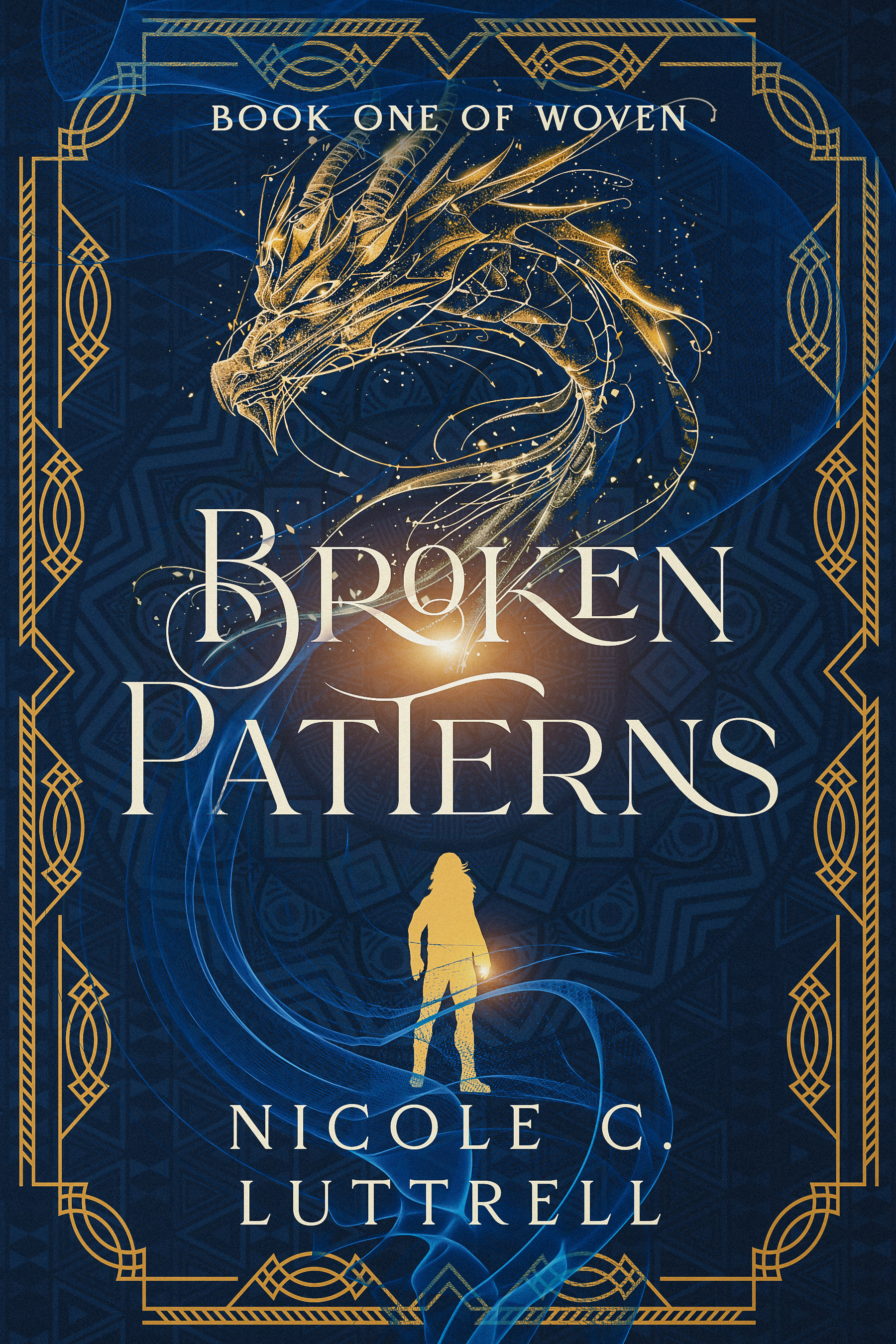
Broken Patterns is available now for preorder! You can order it now on Amazon.

My ten favorite writing content creators

Writing isn’t a team sport. But it also kind of is. We’re not all shooting for the same goal. We’re not all scoring the same, or even using the same metric to define what scoring means. We’re often competing against each other for spots in magazines, podcasts and publishing companies. Some of us are showing up for practice every day, some are more weekend contributors.

But we are all on the same team, even if it feels like some of us are playing football while others are playing lacrosse. Because every time one of us hooks a new reader, that person will be a reader forever.

Since most of us don’t live in a big lovely writing commune, our main way of interacting with our fellow writers is online. And it feels like there’s a new way to do that every week. It should surprise no one that what writers want to talk about the most is writing.

Today I want to share with you a list of my top ten favorite writing content creators. Some of these people are educational. Some are inspirational. Some I follow because they say out loud the things I was already screaming in my head. While most of these are Instagram accounts, there are some YouTube and even podcasts included as well. Inspiration can come from anywhere.

Ursie.writes

Rory Ursula’s Instagram is so aesthetically appealing. It’s all pinks and grays and tans. I love it.

Aside from the aesthetics, you’ll find mini moments of writing frustrations and joys. I don’t so much learn from this Instagram, but I feel seen.

Bert Slenchner

Bert’s Instagram writing inspiration comes in the form of his personal goal-setting. He shares his progress, his cooking, and his cats. It’s a friendly feed.

Escape Pod

This is an aspirational podcast for me. It’s easily some of the best short fiction around. And they will sometimes do interviews with the authors, which is wonderful.

Mary Robinette Kowal

Following Mary Robinette on Instagram is like following an auntie who writes. She shares her work, writing tips, and videos of her cat Elsie.

Nanowrimo

Specifically, I’m talking about the Nanowrimo Instagram feed. It’s full of writing joy and inspiration. And while it usually updates more around November, April and July, there’s always something going on.

Write as Rain

AKA Rain Sullivan, this Instagram feed is so funny. It shares Rain’s frustrations and joys along her writing journey. These are so relatable it feels like she reached inside my head to pull them out.

John Green Writes Books

Yes, that John Green.

While he doesn’t post often, Green’s quiet determination about his writing career is amazing. He is the steadfast voice we all need.

Behind the Bastards

Yes, this is a podcast. Yes, it’s mostly about bad people doing horrible things. However, they sometimes read books by horrible people. Horrible people who write horrible books.

These book readings are masterclasses in what not to do when writing a book. They’re like an inoculation against shitty behavior on the page.

Writing Excuses

I know I’ve mentioned this podcast before, but it continues to be a fantastic place for writing inspiration. While the hosts change over time, the writing advice and career comradery do not. And I appreciate the homework given every episode. Because learning about writing is all well and good, but it means nothing if you don’t put it into practice.

Writing With Jenna

Finally, we’ll end on a twofer. Writing With Jenna has a fantastic and informational YouTube channel. She also has a fantastic Instagram feed. Both are full of great advice on writing, marketing, and living as a professional writer.

Don’t forget, that today is day four of the Paper Beats World Anniversary giveaway. Like this post and comment for a chance to win a copy of Man in The Woods. Check back tomorrow to find out the winner.

See you tomorrow.

If you liked what you saw here today, please consider liking and sharing this post. Or you can support the site financially on Ko-fi.

Broken Patterns is available now for preorder! You can order it now on Amazon.

How do you know when your series is done?

For most of my writing career, I’ve worked on three book series. Woven, Station 86 and AA. All three series were planned out, with a specific number of books and a specific storyline in place.

Woven ended up being one book longer, with a prequel novel. Station 86 was supposed to be three books. Then it became four. Then five. Now I’m working on the last one for real this time. And at this point, I have no idea how many seasons AA is going to have. I think I know how it’s going to end, but I guess we’ll see.

Long-running book series, TV shows and comics can feel like institutions. It can very much feel like they will never have an ending. Some shows, like Star Trek, Dr. Who and The Simpsons, really feel like they could go on and on forever. Book series aren’t as prone to this, but we all know there are some series that will probably go on even after the original author passes. Looking at you, Rita Mae Brown.

So how do we know, as writers, when to stop writing? When do we know that the story, and the series, is finished?

While every story will ask something different from a writer, here is the best advice I can give regarding the matter.

Start with an outline

This isn’t a safe space for pantsers, sorry not sorry. If you’re writing a story that is going to span several books, you need to at least have some idea of where the damn story is heading. You need to have a destination in mind. That way, even if you take a winding path to get there, you at least have some direction.

When I wrote Woven, I knew how I wanted the story to end. And I stayed pretty true to that. It was going to originally be one book, but ended up bloating and growing so much that it needed a whole trilogy. Then, of course, Grace had to sneak into my mind and refuse to let go, so I had to give her her own story.

The thing is, I could write more in this world. And I might yet. But for right now, I had a specific story in mind, and I told it.

If you stop having fun

I know I harp on this, and I’m not likely to stop. Writing is supposed to be fun. Not all the time. There are some times when it’s absolutely a nightmare. Sometimes writing will shatter your soul and your will to exist. But your passion for the work cannot wain. It cannot feel like a slough.

When writing starts to feel like work, it might be time to set this series aside. Maybe just for a while. Maybe forever. But if it’s work to write, it’s gonna be work to read. And nobody wants that.

If you start repeating yourself

I mentioned Rita Mae Brown earlier. I used to love her books. I also loved The Cat Who series by Lillian Jackson Braun. But even though Brown is still around and writing, I’ve stopped reading. Because it became repetitive.

There are only so many stories one person wants to read about a cat and corgi who solve mysteries. Especially when it doesn’t feel like any of the characters change or grow. Given that, it’s easy for all the books to feel the same. So if you feel like you’re on repeat, it might be time to give that story a rest.

When all the loose threads are accounted for

Even in continuing series, there are some overall plots. Maybe it’s just a running gag or a long-standing irritation. Maybe one character is constantly one-upping another. Think of Lucy and Charlie Brown with the football.

I certainly suggest having things like this in your writing. It’s fun. But when you think you might be ready to stop writing your series, it’s time for some payoff. It’s time for Charlie Brown to get to kick the football. Or, just become savvy and self-assured enough to walk away from the situation.

Now that I’m working on the last Station 86 book, I’m re-reading the whole series. Because I want to make sure I don’t leave any of these loose ends

When you feel passionate about a new project

Sometimes it’s easy to get in a rut, even with our creative work. We sit down and start writing a story in the same way we’ve always written stories because it is the same way we’ve learned to write stories.

Then, something new comes along. A new idea. Maybe a whole new genre. A new character steps into the light and asks for your attention.

Then demands it.

That might be a sign that it’s time to put your current tale to rest. I’m not suggesting dropping the story mid-draft, or if you have a cliffhanger out there. But if the muse is tempting you with new, exotic tales, they might have a very good reason for doing so. And you might have a very good reason to listen.

Don’t forget, we are on day three of the Paper Beats World’s tenth anniversary giveaway. Like this post and leave a comment for the chance to win a copy of my 2024 Preptober Planner. Check back tomorrow for the winner.

If you liked what you saw here today, please consider liking and sharing this post. Or you can support the site financially on Ko-fi.

Broken Patterns is available now for preorder! You can order it now on Amazon.

Ten things I’ve learned in ten years as a working writer

I have been a working writer for ten years now. That means that I am actively producing content to sell it. Or, at least put it somewhere people might see and enjoy it.

Being a working writer is a weird job. You spend years practicing only to realize that you will never master it, you’ll just become a better apprentice. But there are certainly some things I’ve learned over the last decade. As I said yesterday, I hope I’ve learned something after ten years of working at it. So here are some hard-won pearls of wisdom. I hope they help you.

A yes to one thing is a no to something else

I have a too much gene. What, the person who decided to write a ton of extra content and host ten different giveaways in ten days does too much? I’m sure you’re surprised.

The problem is that I want to do everything. I want to submit to every magazine and enter every contest. I want to write so many novels and produce so many podcasts. So this is a lesson I have learned the hard way by trying to juggle too many projects at once.

If you decide to write one book, you don’t have time to write a different one. If you enter one contest, that means you have to turn down another. Everything you say yes to means there’s something you’re going to have to say no to.

There is just no other way around it. Our time is finite, our energy is too. So pick your projects carefully. Because when you pick something, it means you’re going to have to reject another thing.

You can push yourself only so hard

This one gets more true as I get older. Just as you only have so much time in a day, you also only have so much energy. You only have so many spoons, as the kids say. And yes, we all know that we can push through exhaustion and get things done. I at least was raised with this toxic work ethic. It doesn’t matter if you feel like it. It doesn’t matter if you feel sick, or if you’re in a funk, or if you did a whole lot yesterday and are still recovering. You have work to do, damn it.

Yeah, we all need to stop this. Especially when it comes to our creative projects.

Listen, I get that deadlines are a thing, but there is only so much you can push yourself before you burn out. I have pushed myself too hard for too long many times. And what happened wasn’t that I persevered and created great art. What happened was that I put out work that wasn’t as good as if I’d been well-rested. What happened was that I burned myself out and had to spend months recovering. What happened was that I got myself to the point where I hated the work, hated myself, hated everything. And that is not how I should feel about my writing. It’s sure as hell not how I want to feel about my life.

Most people do not give a damn that you are a writer

I tell people I’m a writer. Of course, I do. But the older I get, the less I tell people. Because most people, sadly, do not care. The average response I get when I tell someone I write books is, “Oh, that’s cool.” And then we move on.

Or worse, I’ll be informed that they self-published a poetry collection on CD twelve years ago, and that’s basically the same thing.

So if you think you’re going to wow someone with the fact that you’re a writer, I’m sorry to tell you that you’re not. Unless you’re Sarah J. Mass, most people do not care.

You have to love your writing the most

I have read Series of Unfortunate Events the whole way through at least five times. I have read Woven the whole way through ten times over. Many writers have read their work even more.

When you set out to write a book, you are committing to spending a lot of time with that book. Probably years, if it’s a series. Maybe years if it’s just one and you’re a slow writer. No shame there. And your passion needs to stick with you through every rewrite, line edit, revision and maybe even reading the damn thing for an audiobook. The only way that’s going to happen is if you are just wild about your story. I was, and still am, wild about Woven. I am wild about Station 86. I am wild about AA. And I have to be because I am going to spend more time with these stories than anyone else ever will.

Schedule writing time

The best piece of advice I can give anyone starting to write is to block out time to do so.

But, you might say, it’s writing. And writing is art! You can’t schedule art, man.

Well yes, you can. It might surprise you that I schedule my hobbies, too. Otherwise I’d never actually do them.

Writing is something that takes a lot of time. And if you have an already busy life, it’s easy to keep putting it off and putting it off until we’re putting you in a coffin. So if you want to write, the first thing you should do is get a planner. Mark out all the time you already have committed to things. Your day job, child care, appointments. Then take a good hard look at the time you have left. It doesn’t matter if you’ve got fifteen minutes every other Saturday, mark it out and commit to those fifteen minutes.

But I bet you have more time than that.

Writing friends are wonderful friends

I have many friends who I love. But writing friends are the best friends. Not just for networking. I find that kind of gross. But it’s amazing to have someone who understands the writing process. Who gets the joys and nightmares of the craft. Who’s read the same writing books and been irritated at the same NYT bestsellers that weren’t worth the paper they were printed on. Having writing friends to talk to about the craft and the business is a godsend.

Covers matter!

We judge books by their cover, it’s just a fact. We are visual creatures and pretty pictures get our attention. There’s nothing wrong with that. I have bought several books because the cover caught my eye.

So if you’re going to self-publish, invest in good cover art. Unless you are a graphic artist, don’t do it yourself. I’m in the process of relaunching all of my books with professional covers and let me tell you, I am so glad I am. They look so much better.

You can never predict what’s going to happen

This might also be life advice. Nothing is ever certain, and you just don’t have any way to predict how your career is going to turn out. I never thought my first completed book would sell, because everyone tells you your first book won’t ever sell. I never thought my publisher would drop me. I never thought I’d start writing for a horror review site. I sure as hell never thought I’d produce a podcast that I wrote.

While having a plan is lovely, it’s best to understand that this plan is never, ever set in stone. Things will change, and people will get sick. New people will come into your life and people you thought would always be there will leave. You might land your dream agent only to have them retire. You might sign with someone you aren’t sure of and then have them launch your career into space. You just never know.

Hold on tight and enjoy the ride.

Post more than you think you need to

This is on social media, specifically. And it’s something I’m still struggling with. Because I always feel like I’m bothering people. Especially when I post about my books. No one wants to be bombarded by ads on Instagram. People want to see my cats and dog, not my book covers.

But, that’s probably not true. If someone’s following you on social media, they probably do want to hear about your writing. I use Instagram to keep up with my favorite authors, and I want them to post about their books so I remember that they’re coming out.

So if you have a book you want to sell, let people on social media know about it. Repeatedly.

There is always another place to submit

If you’re a working writer, you’re going to get rejections. A lot of them. That’s just the way of things. There are only so many spots for stories, but there seems to be a never-ending stream of writers.

But here’s the thing. There are a ton of spots for stories. There are always new magazines, websites, podcasts, and publishing companies. And best of all, there are always new readers.

So every time you’re rejected, get your story back out there and submit it again. Write another story. Then write another one. Submit them over and over until they sell. That is the only way to break into this business, by writing and submitting over and over.

Don’t ever be afraid of rejection. It just means you’re out there doing the work.

Don’t forget to like this post and leave a comment to be entered into today’s giveaway. Today, one lucky reader is going to get a copy of Man in The Woods. I’ll post the winner here tomorrow.

See you then.

If you liked what you saw here today, please consider liking and sharing this post. Or you can support the site financially on Ko-fi.

Broken Patterns is available now for preorder! You can order it now on Amazon.

Writing when someone you love is ill, part two

Last week we started talking about balancing a writing career when you have a partner with a chronic illness. If you haven’t read that one, I’d suggest starting there.

If you’ve never experienced living with someone with a chronic illness, it can be a struggle. There’s a lot to balance. And it takes a significant toll emotionally. But it’s something that plenty of people deal with every day. And if you want to have a creative career while caring for someone with a chronic illness, you can do it. You should do it. You deserve to do it. And today, we’re going to take another look at how I do it.

Decide how much or how little you want to share about this journey

Part of being a creative content creator in 2024 is having an online presence. And at least some of that online presence is probably going to be about your real life.

Mostly this consists of fun, happy things. We share content about our pets, our homes, and our writing process. We show pictures of our coffee and book signing. One author I follow shares videos of her cat using talk buttons. Another shows food pics. I like to show my tarot decks and library hauls. And, of course, pictures of my cats and dog.

Another author I follow shares info about her books and YouTube videos. She shares pictures of her adorable dog. And sometimes, she talks about her husband’s chronic illness.

It makes me feel like I’m not alone. And I love her for that. It is because of her that I decided to write this post. Her name is Jenna Moreci. She writes fantasy romance.

I bet that a lot of people I follow are also living with chronic illness. Or they have a partner who has a chronic illness. They never talk about it. Jenna doesn’t talk about it much. I don’t talk about it much either.

We don’t owe that part of ourselves to the internet. We don’t owe any part of ourselves to the internet.

When it comes to your family, how much or how little you share online is up to you and your family. Please don’t ever feel pressured to share more than you want. But if you want to share, that’s okay too.

Accept help when you can

It’s easy to feel like we’ve got to do everything ourselves. Society sure as hell tells us we should. We see people who are working full time, with immaculate homes and homemade meals.

I’m sorry, but that just isn’t real life. And when your partner has a chronic illness, you’ve got a lot of pressure on you.

It’s not just that you’re dealing with their illness and whatever demands that makes on your time and energy. It’s also that the care of the home and family will fall all on you more often than it would if your partner was able-bodied. Housework is work.

If you have a support system, let them help you. Let someone grab your groceries for you. Let a sibling take your partner to a doctor’s appointment if you don’t have time.

The darling husband and I don’t have a lot of family. For a long time, I felt like I had to take care of him, the house and the pets by myself. Over time, I’ve realized that this is unsustainable. So I started having our groceries delivered. We order in when we need to. And I lean on my friends for emotional support. I tell them when I’m struggling. I tell them when I’m scared. And that’s sometimes all that I need, just someone to listen to how hard this day was.

Ask for help when you need it. Accept help when it’s offered. You do not need to do everything by yourself.

Take care of you

I know that taking care of yourself takes time. And time is the thing you probably have the least of. But you have got to care for yourself.

Make doctor’s appointments, even if you’re sick to death of doctors. Get rest, even when you have a million things to do. Take care of yourself, eat good food, drink water, and take your meds if you’ve been prescribed meds.

We have to keep ourselves healthy or we won’t be able to care for our partner. So take good care of yourself.

Art can save us in our darkest hours.

So why would you still want to write when your partner has a chronic illness? With all the other demands on your time, why still put this extra burden on yourself?

I can’t answer that for you. But I can tell you why I still do it.

Art has saved my sanity. While parts of the writing game feel burdensome, the act of writing never has. Whether I’m writing a blog post, a review, a chapter of my novel or a short story, writing is always great. Creating is always great. Through writing, I can have a voice that I might otherwise be denied. It allows me to process my emotions. It allows me to face my demons on the page. It allows me to breathe. I do not think I would have survived the last ten years without my writing.

That’s all I can think of for now, advice-wise. If I think of other things I might do a follow-up. But now I want to hear what you think. Do you have a partner who has a chronic illness? Do you have a chronic illness that you manage while writing? Let us know in the comments.

Paper Beats World is a labor of love. If you love what we do here, please like and share this post. You can also support us financially on Ko-fi.

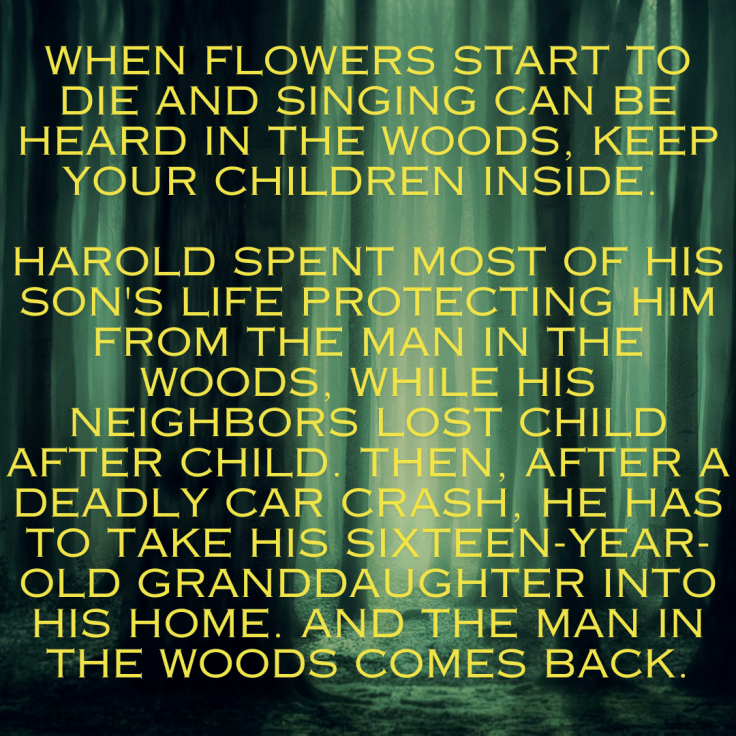
Man in The Woods is now available on Smashwords and almost everywhere!

Writing when someone you love is ill

I didn’t mean for this post to be late today, but it does kind of fit into the theme.

My husband has several chronic illnesses. I don’t want to go into details because that’s not my story to tell. Suffice it to say that caring for his health is a full-time job for him and a part-time job for me.

If you’ll recall, I also have a full-time job, as well as trying my damndest to have a writing career.

Having a partner with chronic illness is a journey. It’s difficult to watch someone you love suffer. It’s terrifying to come close to losing them. It’s hard to make plans for the day, let alone the future when you just have no way of knowing how their health is going to be from day to day. Some days he’s fine, some days he can’t get out of bed. Some days he goes to the hospital.

There are countless books and blogs about living with a partner with a chronic illness. That’s not what I’m here today to talk about, that’s way out of my lane. What I do want to talk about is maintaining a creative career while caring for a loved one with a chronic illness. Because it’s what I’ve been doing for almost ten years now.

You do not have to keep writing for an audience

Let’s just get this out of the way first. If you don’t want to keep writing for anyone but yourself. I don’t care if you are in the middle of a series. I don’t care if people are waiting with bated breath on the cliffhanger of a lifetime. I don’t care if you’re Stephen King. If Tabitha King suddenly took a nose dive health wise I would light a candle for her and expect to never see another King book.

The people you love will always be more important than any success you might find in this world. If you don’t have the physical or mental bandwidth to create for days, weeks, or even years at a time, that is okay. You don’t owe your art to anyone. Everything else in this post is for people who want to keep going.

Don’t feel guilty

That being said, you do not need to feel guilty if you want to keep writing. My writing career has gotten me through some very dark moments. Having work that I was passionate about has given me something to focus on when I felt useless. It gives me something that is for me. And we all deserve something that is for us. We all need something that is for us.

Be realistic about how much you can take on.

I might seem like the worst person to talk about this. I’m working on a sci-fi series, a podcast series, multiple short stories, writing for this blog, and writing reviews on Haunted MTL. And yes, sometimes that is too much. That’s why this post came out in the afternoon instead of in the morning.

But let’s be fair, there’s always more I could be doing. Things I’d like to do. I’d like to create audiobooks. I’d like to write a serialized story on Wattpad. I’d like to make a true crime podcast series, enter more contests, write more short stories, do more micro-fiction on social media. I want to do so much more than I realistically can do.

Here’s what I suggest. Make a list of everything you want to do. All the projects you would love to work on. Take your time.

Then, list all of your projects from the ones you most want to do to the least.

I keep a whole list on Notion at all times. Sometimes projects drop off the list, and sometimes more get added. But I’m always putting my energy on the top priorities of that list. So if I can only get one thing done, it’s at least the most important thing.

Learn to write in strange places

I am so blessed to have an office in my home. I use it to work from home and write my stories and I love it. It’s bursting with light, colors, art and books. I have ample desk space, a comfortable chair and a place for all my pens.

I don’t always get to write there, though. I have gotten very good at writing in waiting rooms and hospitals. I have written in a notebook balanced on my knees in an uncomfortable plastic chair. I have written on my laptop, sitting on an emergency room couch and trying not to think of what sort of fluids that couch might contain. I’ve written in cafeterias, on patios, with bad cups of coffee and the same Lipton tea every hospital seems to have.

Because of this, I’ve always kept a writer’s bag. I can do an updated post about this if you’d like. I don’t go anywhere without a notebook and pen. Even if I don’t know I’m going to be stuck somewhere for a time and might as well do some writing, I might suddenly get stuck somewhere and be inspired to write a little short fiction.

Be flexible

This one sort of goes along with the last piece of advice.

When you’re dealing with a chronic illness, things cannot always go to plan. This is true for most of us anyway. Washing machines break. People call off at work so you have to go cover for them. The power goes out. The internet goes out. People with chronic illness and their families aren’t immune to these things. We just have that extra hurdle of health to consider. I might be right on pace to meet a deadline, or get a blog post out in time, and suddenly get waylaid because a health concern took precedence.

This is why it’s important to under-promise when it comes to deadlines. Whether you’re working with a publisher or just setting a deadline of your own. If you think something’s going to take a week, plan for two. Trust me, no one is ever angry that you beat a deadline.

You have to be ready for your day to not look how you expected it to look, and roll with it. Trust me, I hate this. This is not where I thrive. I thrive when everything happens exactly how my Google calendar says it’s supposed to happen. I am mentally prepared for that, I have supplies and snacks for that. But we don’t always get to live the day we planned for. We have to live the day we have.

I have a lot more to say about this topic, but we’re running long as it is and this post is late as it is. So I’ll be doing part two next week. See you then.

Paper Beats World is a labor of love. If you love what we do here, please like and share this post. You can also support us financially on Ko-fi.

Man in The Woods is now available on Smashwords and almost everywhere!

My deconstructing journey, part one

I planned on writing this post for weeks now. The fact that a certain kicker for a certain football team decided to shoot his mouth off is coincidental.

Also, this post is going to be very long and this is just part one.

I was raised in The Church of Jesus Christ of Latter-Day Saints. While this isn’t strictly a cult, it is what’s considered to be a high-control group. I’ve talked at length about my experience with the church, and what it was like to leave it.

Years have passed. I have found a new faith. I don’t have any real relationship with most of my blood family. I have worked hard to build a life where I feel safe and happy.

I thought I was leaving behind all of the hurt and trauma. And for a while, I thought I was doing pretty good. I mean, I didn’t have anything really bad happen to me. I didn’t experience assault in the church. I wasn’t out while in the church, so I never suffered for that. I wasn’t driven to suicidal thoughts.

I mean, sure, I spent my whole childhood being told that women were meant only to be homemakers and helpmeets. Sure, I was told that I didn’t need the priesthood because I had motherhood. And yes, I was taught over and over that my only value to God was based on serving my family as a wife and a mother, leading me to devalue my education to the point that I never went to college and shrinking my view of the future to one, and only one, path.

But no one ever put their hands on me in the church, so what did I have to heal from?

Here’s the thing about thinking you’re okay when you’re not. You’ll be triggered by things when you least expect it. So when you start bawling halfway through a documentary, it’s confusing to you and everyone else in the room. And when you accidentally come upon a book that explicitly discusses the way you were raised baked into an allegory about an old children’s TV show, it wrecks your whole life for a while.

Or for a couple of months.

So I’ve spent a lot of time the last few months actively trying to heal. I’ve been working with a therapist and doing shadow work. And along the way, I’ve learned a few things.

I think at this point it’s important to mention that I am not a therapist or any sort of licensed counselor. I am a woman in her late thirties trying to make sense of her pain and heal from it.

When you’re taught something at a young age, it tends to stick longer. As a child, I was taught that there was one way a family was supposed to look. That there was one way a child of God was supposed to look. Especially if that child of God happened to be female.

Some of these lessons dropped away faster than others. I dropped the Word of Wisdom right away and started drinking coffee and tea.

Man, I love coffee and tea.

But other lessons, like a woman’s place in the world, those were harder to unlearn. Even though I know, logically, that women and men are equal, I still find myself having knee-jerk reactions that are not my thoughts.

Things that are nothing to most people are still daring and impetuous for me. Going to bars and having a drink. Wearing sleeveless shirts and shorts. Watching racey scenes on TV shows and movies.

If these things were crossing a personal moral line for me, that would be one thing. But I find more and more that it’s nothing of the sort. I want to be able to drink (responsibly). I want to wear tank tops because I swear the older I get the worse I handle hot weather.

But enjoying a glass of wine or being comfortable on a hot day is honestly pretty superficial. What I want to talk about is how LDS and other high-control groups are taught to serve others before they care for themselves.

As a child, I learned somewhere that a lot of people don’t consider LDS members to be Christians. I had no idea why, His name is right there in the title. It’s only recently that I realized it’s because most Christians believe that people are saved by God and Jesus’s grace alone. That we were forgiven for our sins before we even committed them. As a Christian Witch, I have faith that this is true.

LDS members don’t believe that. They believe that we are saved not by grace but by our works. How we serve our fellow man on Earth.

On the one hand, serving others is great! We should all spend at least some time considering how we can make life better for other people. That’s just a good thing to do. The problem comes when you’re taught to give when you have nothing to give. When you don’t have the money, don’t have the time, don’t have the energy or the spoons. When you have nothing of yourself to spare and nothing for yourself. When caring for yourself feels selfish.

That’s when the guilt sets in. When we are taught that we are not worthy of God’s love unless we are sacrificing all of ourselves in His name. When we do good works not for the love of our fellow man, but to score Heaven points.

This is a damaging way to look at the world. And it certainly damaged me. It’s led to a serious case of burnout that I am just now, maybe healing from. It’s led to a serious feeling that I am not worth anything to anyone unless I am giving something of myself to them.

I’m sure that the LDS church isn’t the only one to do this. And I’m sure that a lot of people need to hear this. So I’m going to say it here. You do not need to be giving other people of yourself to be worthy of love. You don’t need to be producing anything. You don’t need to be constantly running.

You deserve love. You deserve good food, good sleep, and good cups of coffee. You deserve to be happy. You deserve to take time for yourself and just do things that make you happy.

I have more tips about deconstructing, but we’re over a thousand words already. So stay tuned for part two next week. For now, please take this away. You do not have to do anything at all to deserve love. Once you can hold onto that, everything else gets better.

Paper Beats World is a labor of love. If you love what we do here, please like and share this post. You can also support us on Ko-fi.

Creating like a child

I’ve started taking art classes at my local library. I’ve been to two so far. We’ve painted canvas bags and decorated ceramic tiles. In both cases, mine looks like the work of a child.

I love it. I love the crafts we do. I love meeting the wonderful people who come to these events. Most of them are older ladies and it’s an uplifting environment. Everyone compliments each other’s work and shares the glue. It’s like an elementary school art class, except with people you might want to spend time with.

I am a writer. Creativity is my job. I write stories, posts, reviews, and poems about the birds I see out the window. I make graphics for social media to showcase my work. Creativity is a mainstay in my life.

And yet I am constantly looking for other ways to create. I scrapbook. I draw. I keep a bullet journal and decorate my planners for fun. Like, as a hobby. I get that a lot of people do this, and I still think it’s a little weird we’ve made a whole hobby around the book we keep to make sure everyone gets to their dentist appointment on time.

But I digress.

My writing in novels, here on the blog, in my reviews on Haunted MTL, and on social media need to be good. They at least need to be competent. I am a professional writer. So if I’m going to put out a piece of writing, it needs to be as good as I can make it. All the I’s dotted and T’s crossed. It needs to be good, professional work.

When I am crafting, none of that need apply. I can just make something. And that might be the best thing that I do. It might be the best thing you do, too.

Creation for creation’s sake

To start, creating just to create is a freeing activity. It’s a wonderful feeling, to simply make something and not worry about how it turns out. It’s a mediative, healing thing. Especially if you’re struggling with anxiety, depression, or several other emotional issues.

Physical creations are great for this. I love things like working with clay, paints, or pastels. It’s wonderful to simply feel something in our hands, to craft something that didn’t exist before you started.

I have certainly done some crafts that didn’t turn out how I wanted it to be. Lots of them. Scrapbooking pages, sketches, even a handmade snow globe. The result was, for lack of a better word, shitty.

And that’s okay. The result didn’t matter. What mattered was the act of creation. What matters is losing ourselves in the act.

As we learn this truck, we can apply it to our writing. We learn to turn off our inner critic with clay and paint by telling ourselves that it doesn’t matter if someone else likes it. And as we learn the trick of quieting the critic, we can carry that trick into our rough drafts, allowing the muse free reign to inspire work and words that you might not have thought of with the critic pointing out every perceived flaw.

Novelty is to be sought after

Every new activity stretches our understanding of the world. This might not seem to apply to something like making coasters with alcohol ink. But even that, because I’d never done it before, allowed me to experience the student mind. This is harder to activate when you’re out of school, but it’s no less important.

Learning that a new craft might be fun and accessible also allows you to find something else that can bring you joy in your life. This applies to a concept I learned from therapist Mickey Atkins on YouTube. She calls it ‘diversifying your portfolio’ in regards to things that make you happy.

The theory is this. If you are only feeling alive and enjoying life when you are doing one or two things, then a lot is riding on those things. Let’s say you’re only happy when you’re reading or writing. Well, then what do you do if you’ve read so long you have a headache? What if you’ve run out of good books? What if you have simply read so long that you’re bloody well sick of it? But there’s nothing else that makes you happy, so you read so long you make yourself even more sick of it, sucking all the joy out of something you once loved?

But if you love reading, writing, playing video games, scrapbooking, crocheting learning new cookie recipes, and watching YouTube, then you have a lot of things to do to bring joy to your day. So if one of those things fails you, you aren’t stuck.

Novelty also brings out your creativity. Anything can inspire your writing, even if it’s an evening making a canvas bag with other people. You just don’t know what it will spark until you have the experience.

We can do things just for fun

Finally, creating is fun. It’s an enjoyable experience, even if it does nothing else for us.

It can feel very much as an adult like everything we do has to be productive. Anything that’s fun without another purpose feels like a waste of time. But it’s not.

I am not doing anything productive in my craft classes. I am not learning a skill that I can make money from, or crafting things that I will then not have to purchase, thereby saving myself money. I am just having fun for the sake of having fun. I am enjoying being alive, enjoying living.

The best thing we can produce is a happy life for ourselves. A life full of things that make us joyful. A life full of things we look forward to. Otherwise, what’s the point of all of this?

If you have the chance to take a craft class in your community, I can’t suggest it enough. If you can’t, check out YouTube for some craft lessons. You never know what you might find that will bring joy to your life and inspire deeper wells of creativity.

Paper Beats World is a labor of love. If you want to support what we do, please like and share this post. You can also support us financially on Ko-fi.

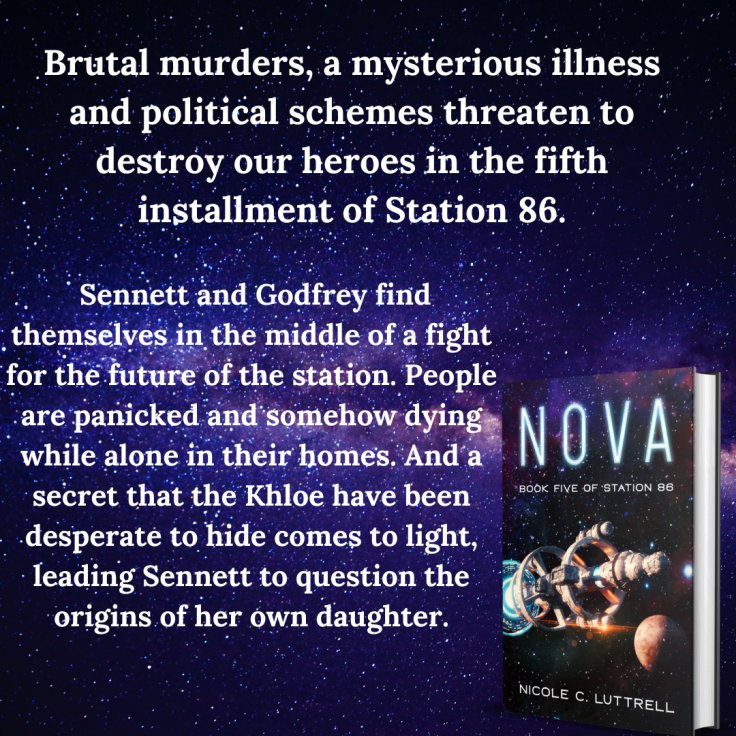
Nova is available now for preorder on Amazon. Get your copy ordered now before the launch on May 17th.

I will never write anything as good as this!

Recently I read a fantastic book called Mister Magic. You can read my full review on Haunted MTL here.

This book sent me into a tailspin for a couple of reasons. The first one was that it dealt heavily with the Mormon church and religious trauma. But the second reason is the one I want to talk about today.

I will never, as long as I live, write anything as good as this book.

I will never write anything as good as The Southern Book Club’s Guide to Slaying Vampires. I will never write anything as good as The Stand. I will never write anything as good as American Gods. These are all works of art, and I am just not a good enough writer to come up with anything so breathtakingly creative and wonderful as these books.

Writers are readers first. People who want to write stories usually want to do this because we love stories. And we love good stories. So I doubt I’m the only writer to look at a great piece of writing and think that my paltry contributions are nothing in comparison.

But, of course, if I let myself be bogged down by this, I’d never write a single word again. And I think some people would miss my work. I know I would miss it.

So what do we do when we feel like this? Well, here are some of the things I’ve been reminding myself of. Hopefully, they’ll help you too.

Art is subjective

It’s important to remember that everyone’s tastes are different. The same book can keep one reader up at night while being a sleeping pill to someone else. And every single book I mentioned as being works of art has one-star reviews right now on Amazon. And as amazing as it is to realize, you might write something that someone else likes better than you do. You should always be your work’s biggest champion, but someone else will probably be your work’s biggest fan. The flip side of this is that the work that you love, might not be for everybody. Maybe some people love it. Maybe some people hate it. But no book is really perfect, and we should probably all take our favorites down of the pedestals we’ve so lovingly placed them on.

You can always get better

It’s probably not fair of me to say that I will never write anything as good as those books. Because, frankly, I might. I’m always trying to get better. I want to write better, more creative, and gripping stories. I honestly feel even now that I’m just coming into my stride as a writer, yes even after writing and publishing eight books.

Writing requires talent, but it also requires learning and practice. We practice every time we sit down and tap on the keyboard just the same as a musician practices at a piano. We are learning, we are growing. And we can, if we want to, write something as amazing as our favorite books.

Not everything has to be a work of art

Works of art are amazing. A fantastic book can be moving, and life-changing. It can save us when we’re in our darkest hour. It can inspire us to change the world, or just be better people.

But we don’t always consume content that is amazing or life-changing. My life was not even a little changed by Rick and Morty, or any book by Philippa Gregory. But I love those a lot. I’ll go nuts over a Philippa Gregory book because it’s fun to read. The same can be said for most of the books I read or shows I watch.

You can write something just because you think it’s fun. You don’t always have to set out to write the next Great American Novel. You can just write something good. That’s okay, encouraged even.

Besides, I’m willing to bet that the people who write those great books didn’t set out to write something that was going to be world-changing. They had a good idea, and they wrote it to the best of their ability at the time. Sometimes that means we end up with trash. Sometimes that means we end up with art. Sometimes that just means we end up with something that passed the time and helped us enjoy our lunch break a little more.

All of those things are okay.

Your work is your own

I was raised with a mindset that I’m still trying to unlearn. It sounds good at first.

You are already doing better than a lot of people. You right now, wherever you are, are doing better than a lot of other people. Your book is better than other published books. If your book isn’t published yet, at least you wrote a book. That puts you ahead of people who are still working on theirs. If you’re still working on yours, at least you’ve started. That puts you ahead of the people who are just wishing they could write a book but haven’t yet bothered to put pen to paper. And all the way down to the poor scrub who doesn’t want to create any art at all and just wants to watch Real Housewives after work in peace.

There are two problems with that. One, we do not gain our worth from creating things. We are inherently worthy of love, acceptance, joy, and peace without ever making one single thing. But two, if this theory works one way, it works the other way. If you haven’t started your book yet, people who have are better. If you have started your book, people who have published theirs are better. If you’ve published your book, someone’s book was more popular. And there is always going to be someone more popular. Someone else will get a bigger advance, sell more copies, get a movie or TV adaption faster or with a bigger budget.

So instead of comparing your art and your journey against anyone else, compare yourself to where you were yesterday. Compare this project with your last project, and see how much you’ve grown. So I don’t need my current book to be better than Mister Magic. I just need it to be better than Nova.

I hope that you write something today. And even if it’s not as good as you want it to be, I hope you like it. I hope it’s good. Because just by existing, it’s already good enough.

Paper Beats World is a labor of love. If you love what we do here, you can support us by liking and sharing this post. You can also support us financially on Ko-fi.

Nova is available now for preorder! You can order it now on Amazon, and read it in full now on May 17th.

Why aren’t you writing?

Writing for most of us starts as a passion. It’s something we love, something that brings joy to our lives. I started writing stories as a child, scribbling down my imagination play.

These days, writing is still a passion. It’s still something I get very excited about. Time spent writing is still fulfilling, still fun. It’s still the best way I know to get my feelings out, entertain myself, and get the demons out of my head.

So why, then, do I feel like I don’t want to write?

Not all the time, of course. Most of the time I want to write so much that I actively forgo other activities to write. I used to play video games, for instance. Used to. Writing and reading are the best ways I can think to spend my time.

And yet there are still times when I want to do literally anything other than write. If you’re a writer, I bet you feel the same way sometimes.

This isn’t ideal. Anything that makes you want to avoid the thing you love most of the world is not great. But to avoid the desire to avoid your writing sessions, we need to figure out why you don’t want to write. And to help you with that, I have five questions for you to ask yourself.

Do you not like your current project?

Sometimes we don’t like our projects. Usually, this happens in the middle of a rough draft for me, and for a lot of other writers. The story feels boring here. It feels like starting at point A was a ball, and getting to point C will be fantastic. But point B is shitty and we feel shitty writing it.

When you feel like this, you want to consider what you’re writing. Is it dull? If so, then maybe you should change it up. Make it more exciting. Because I’m sure we all know as readers that books bog down in the middle. But there’s no reason to accept this as a matter of course. Middles of books can be great fun to read and write. And this will help a lot if you find that you don’t want to write what you’re writing right now.

Remember, if you’re not having fun writing, the reader isn’t going to have fun reading.

Have you made writing into a chore?

When you write for a (alleged) living, it’s easy to feel resentful towards your work. I have a real problem with this. I have this innate hatred of anything I’m supposed to do. This often seems like a kiss of death for things that I love. If I adore a show, there’s no way to ruin that love faster than to decide to review it.

Which isn’t to say I don’t love reviewing things. It’s just that as soon as it turns from something I do for fun and something I do because I have a deadline I’m irritated by it.

But if I let that dumb rebellious you can’t tell me what to do attitude win, I would never do the thing I love most in this world. I would never write work I’m proud of and share it with all of you.

We all have an inner child, but we also all have an inner teenager who wants to slam our bedroom door and play loud music while our parents try to reason with us. The problem is that, in most cases, our parents were right and we should have listened. The other problem is that now that we’re adults and working for ourselves for the most part, we have to be the parents to our inner teens. And the best way I’ve found to do this is bribery.

Bribe yourself to get started. Promise yourself a new book, a trip to your favorite coffee shop, or your favorite bag of chips if you’ll just sit down and get started on the project. I’m sure you’ll find, like I do, that once you get your ass in the seat you don’t need that reward anymore. The writing is always rewarding after we get over that rebellious hump.

Are you tired?

These next two questions might sound the same at first, but they’re quite different. Being tired is a shorter-term malady.

Which isn’t to say it shouldn’t be respected. Maybe you’re tired today. Maybe yesterday you wrote a whole bunch. Or maybe you didn’t get a lot of sleep last night. Maybe you had a few days that asked more of you than you had to give and now you need to rest.

Never put your health in jeopardy to get words on the page. If you need to rest, then rest. The work will be there when you get back.

Are you burned out?

Burnout isn’t the same as being tired. It’s like the difference between a cold and a flu. Burnout is going to take much longer to recuperate from and will take more serious treatment.

I wrote a whole series about writing burnout a few years ago, that you can check out starting here.

The first thing to remember when feeling burned out is that it is morally neutral. You are not lazy. You are not failing. You have been doing too much for too long and in our society that’s almost unavoidable.

Being burned out might require more time away from your desk than you like. I know I hate it. I feel like I’m falling behind while everyone else is running ahead of me. And it sucks.

But you’ve got to give yourself grace.

There are going to be things you cannot put down. You have to do your day job. If you have contractual obligations, you have to meet them or ask for an extension. You have to care for your family, your pets, and yourself. Not in that order. If your writing isn’t the sort of thing that you’re working on a deadline for, then put it aside for a while.

It will be there when you get back. And so will your readers.

Are there more important things you need to be doing?

Finally, I come to the worst question. Because it involves adulting, and it’s the reason why this post is so late. I didn’t have time to write it this week when I usually do. I had obligations at my day job, then I had to go to a doctor’s appointment. Then I had to go get blood work done because of the doctor’s appointment. Then I had to run errands for Easter on Sunday. Then I had to fight with my bank over something. I woke up with the will and desire to spend an hour at my desk working on my current rough draft. What I didn’t have was the time.

I had to be a grownup yesterday. Today, I have to be a grown-up again write contractually obligated work, and clean my house. I have to be an adult, even though I want to write my story.

Sometimes your creative writing is going to have to take a back seat. Sometimes there are other priorities that you just cannot ignore. You have to take care of yourself. You have to mind the business that pays you. You have to care for your family and your living space.

The important thing here is to separate what needs to be done, what probably should be done but can wait for another day, and what doesn’t need to be done at all or could be delegated to someone else. I would never skip writing to dust, sweep, wash the windows, or vacuum. I might have to skip writing to do dishes or wash clothes. It’s about what needs to be done, and what doesn’t.

So that’s it. Now, I want to hear from you. What do you think is the best question to ask yourself when you’re not writing? Let us know in the comments.

Paper Beats World is a labor of love. If you love what we do here, please consider supporting us by liking and sharing this post. You can also support us financially on Ko-fi.

A WordPress.com Website.

Up ↑