Writing when someone you love is ill, part two

Last week we started talking about balancing a writing career when you have a partner with a chronic illness. If you haven’t read that one, I’d suggest starting there.

If you’ve never experienced living with someone with a chronic illness, it can be a struggle. There’s a lot to balance. And it takes a significant toll emotionally. But it’s something that plenty of people deal with every day. And if you want to have a creative career while caring for someone with a chronic illness, you can do it. You should do it. You deserve to do it. And today, we’re going to take another look at how I do it.

Decide how much or how little you want to share about this journey

Part of being a creative content creator in 2024 is having an online presence. And at least some of that online presence is probably going to be about your real life.

Mostly this consists of fun, happy things. We share content about our pets, our homes, and our writing process. We show pictures of our coffee and book signing. One author I follow shares videos of her cat using talk buttons. Another shows food pics. I like to show my tarot decks and library hauls. And, of course, pictures of my cats and dog.

Another author I follow shares info about her books and YouTube videos. She shares pictures of her adorable dog. And sometimes, she talks about her husband’s chronic illness.

It makes me feel like I’m not alone. And I love her for that. It is because of her that I decided to write this post. Her name is Jenna Moreci. She writes fantasy romance.

I bet that a lot of people I follow are also living with chronic illness. Or they have a partner who has a chronic illness. They never talk about it. Jenna doesn’t talk about it much. I don’t talk about it much either.

We don’t owe that part of ourselves to the internet. We don’t owe any part of ourselves to the internet.

When it comes to your family, how much or how little you share online is up to you and your family. Please don’t ever feel pressured to share more than you want. But if you want to share, that’s okay too.

Accept help when you can

It’s easy to feel like we’ve got to do everything ourselves. Society sure as hell tells us we should. We see people who are working full time, with immaculate homes and homemade meals.

I’m sorry, but that just isn’t real life. And when your partner has a chronic illness, you’ve got a lot of pressure on you.

It’s not just that you’re dealing with their illness and whatever demands that makes on your time and energy. It’s also that the care of the home and family will fall all on you more often than it would if your partner was able-bodied. Housework is work.

If you have a support system, let them help you. Let someone grab your groceries for you. Let a sibling take your partner to a doctor’s appointment if you don’t have time.

The darling husband and I don’t have a lot of family. For a long time, I felt like I had to take care of him, the house and the pets by myself. Over time, I’ve realized that this is unsustainable. So I started having our groceries delivered. We order in when we need to. And I lean on my friends for emotional support. I tell them when I’m struggling. I tell them when I’m scared. And that’s sometimes all that I need, just someone to listen to how hard this day was.

Ask for help when you need it. Accept help when it’s offered. You do not need to do everything by yourself.

Take care of you

I know that taking care of yourself takes time. And time is the thing you probably have the least of. But you have got to care for yourself.

Make doctor’s appointments, even if you’re sick to death of doctors. Get rest, even when you have a million things to do. Take care of yourself, eat good food, drink water, and take your meds if you’ve been prescribed meds.

We have to keep ourselves healthy or we won’t be able to care for our partner. So take good care of yourself.

Art can save us in our darkest hours.

So why would you still want to write when your partner has a chronic illness? With all the other demands on your time, why still put this extra burden on yourself?

I can’t answer that for you. But I can tell you why I still do it.

Art has saved my sanity. While parts of the writing game feel burdensome, the act of writing never has. Whether I’m writing a blog post, a review, a chapter of my novel or a short story, writing is always great. Creating is always great. Through writing, I can have a voice that I might otherwise be denied. It allows me to process my emotions. It allows me to face my demons on the page. It allows me to breathe. I do not think I would have survived the last ten years without my writing.

That’s all I can think of for now, advice-wise. If I think of other things I might do a follow-up. But now I want to hear what you think. Do you have a partner who has a chronic illness? Do you have a chronic illness that you manage while writing? Let us know in the comments.

Paper Beats World is a labor of love. If you love what we do here, please like and share this post. You can also support us financially on Ko-fi.

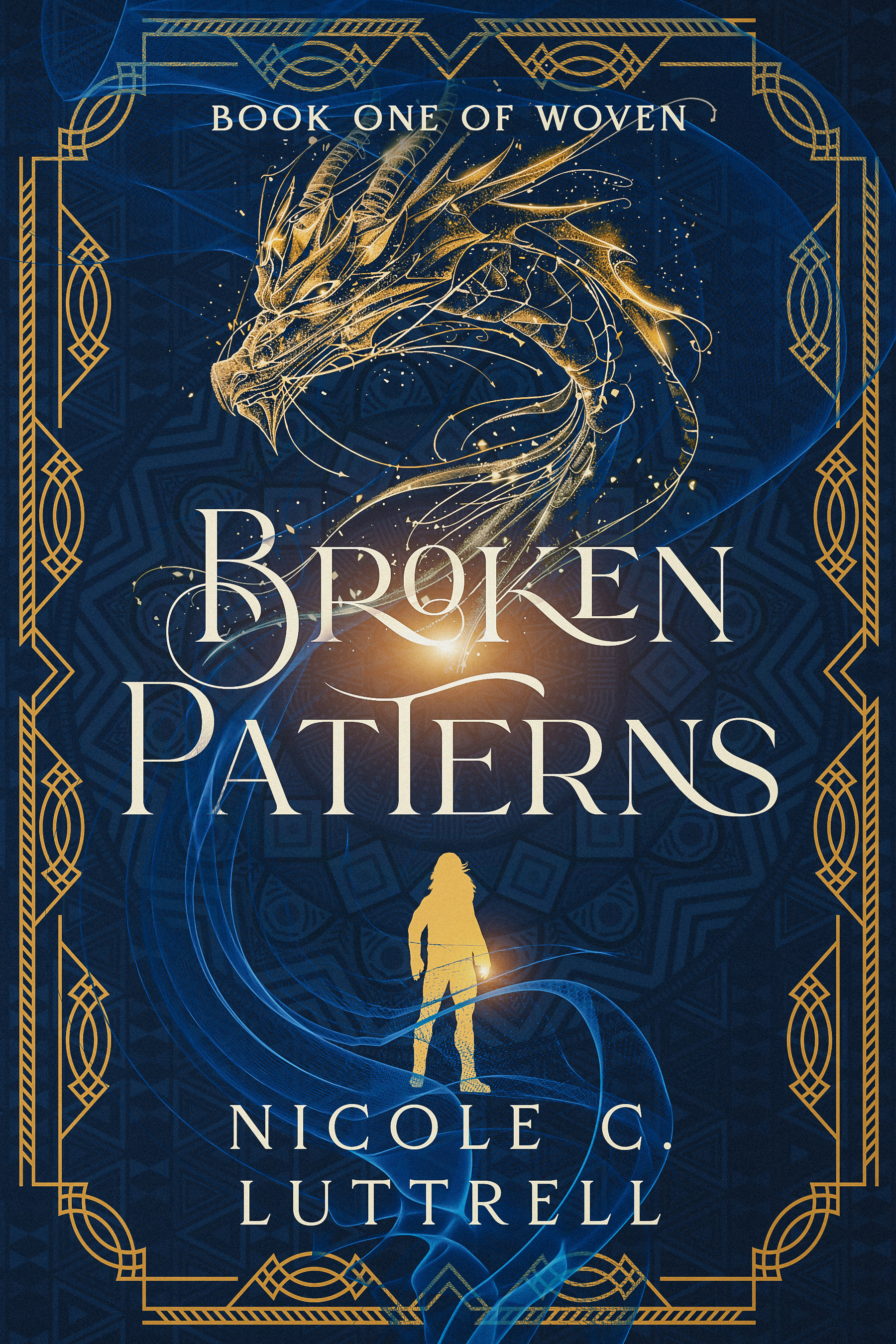
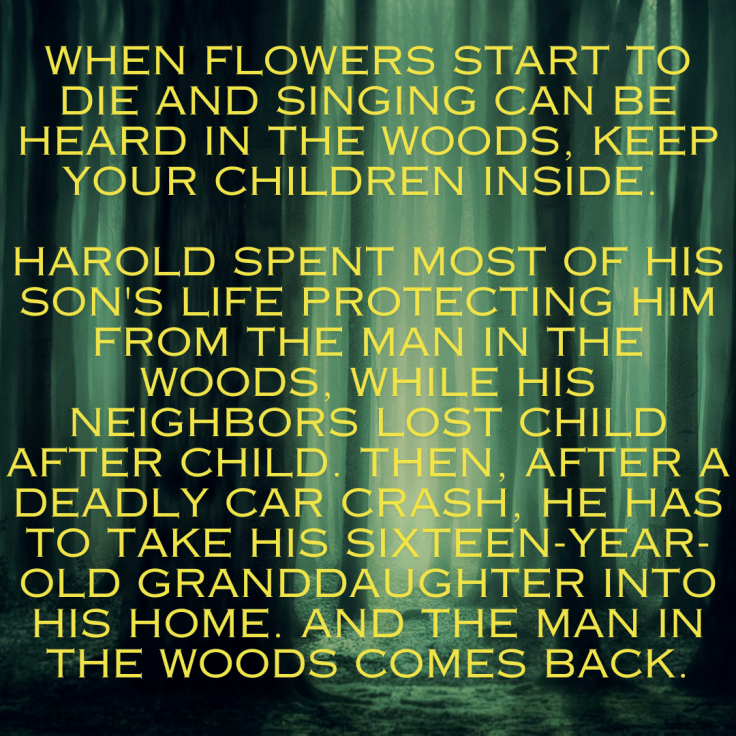
Man in The Woods is now available on Smashwords and almost everywhere!

Writing when someone you love is ill

I didn’t mean for this post to be late today, but it does kind of fit into the theme.

My husband has several chronic illnesses. I don’t want to go into details because that’s not my story to tell. Suffice it to say that caring for his health is a full-time job for him and a part-time job for me.

If you’ll recall, I also have a full-time job, as well as trying my damndest to have a writing career.

Having a partner with chronic illness is a journey. It’s difficult to watch someone you love suffer. It’s terrifying to come close to losing them. It’s hard to make plans for the day, let alone the future when you just have no way of knowing how their health is going to be from day to day. Some days he’s fine, some days he can’t get out of bed. Some days he goes to the hospital.

There are countless books and blogs about living with a partner with a chronic illness. That’s not what I’m here today to talk about, that’s way out of my lane. What I do want to talk about is maintaining a creative career while caring for a loved one with a chronic illness. Because it’s what I’ve been doing for almost ten years now.

You do not have to keep writing for an audience

Let’s just get this out of the way first. If you don’t want to keep writing for anyone but yourself. I don’t care if you are in the middle of a series. I don’t care if people are waiting with bated breath on the cliffhanger of a lifetime. I don’t care if you’re Stephen King. If Tabitha King suddenly took a nose dive health wise I would light a candle for her and expect to never see another King book.

The people you love will always be more important than any success you might find in this world. If you don’t have the physical or mental bandwidth to create for days, weeks, or even years at a time, that is okay. You don’t owe your art to anyone. Everything else in this post is for people who want to keep going.

Don’t feel guilty

That being said, you do not need to feel guilty if you want to keep writing. My writing career has gotten me through some very dark moments. Having work that I was passionate about has given me something to focus on when I felt useless. It gives me something that is for me. And we all deserve something that is for us. We all need something that is for us.

Be realistic about how much you can take on.

I might seem like the worst person to talk about this. I’m working on a sci-fi series, a podcast series, multiple short stories, writing for this blog, and writing reviews on Haunted MTL. And yes, sometimes that is too much. That’s why this post came out in the afternoon instead of in the morning.

But let’s be fair, there’s always more I could be doing. Things I’d like to do. I’d like to create audiobooks. I’d like to write a serialized story on Wattpad. I’d like to make a true crime podcast series, enter more contests, write more short stories, do more micro-fiction on social media. I want to do so much more than I realistically can do.

Here’s what I suggest. Make a list of everything you want to do. All the projects you would love to work on. Take your time.

Then, list all of your projects from the ones you most want to do to the least.

I keep a whole list on Notion at all times. Sometimes projects drop off the list, and sometimes more get added. But I’m always putting my energy on the top priorities of that list. So if I can only get one thing done, it’s at least the most important thing.

Learn to write in strange places

I am so blessed to have an office in my home. I use it to work from home and write my stories and I love it. It’s bursting with light, colors, art and books. I have ample desk space, a comfortable chair and a place for all my pens.

I don’t always get to write there, though. I have gotten very good at writing in waiting rooms and hospitals. I have written in a notebook balanced on my knees in an uncomfortable plastic chair. I have written on my laptop, sitting on an emergency room couch and trying not to think of what sort of fluids that couch might contain. I’ve written in cafeterias, on patios, with bad cups of coffee and the same Lipton tea every hospital seems to have.

Because of this, I’ve always kept a writer’s bag. I can do an updated post about this if you’d like. I don’t go anywhere without a notebook and pen. Even if I don’t know I’m going to be stuck somewhere for a time and might as well do some writing, I might suddenly get stuck somewhere and be inspired to write a little short fiction.

Be flexible

This one sort of goes along with the last piece of advice.

When you’re dealing with a chronic illness, things cannot always go to plan. This is true for most of us anyway. Washing machines break. People call off at work so you have to go cover for them. The power goes out. The internet goes out. People with chronic illness and their families aren’t immune to these things. We just have that extra hurdle of health to consider. I might be right on pace to meet a deadline, or get a blog post out in time, and suddenly get waylaid because a health concern took precedence.

This is why it’s important to under-promise when it comes to deadlines. Whether you’re working with a publisher or just setting a deadline of your own. If you think something’s going to take a week, plan for two. Trust me, no one is ever angry that you beat a deadline.

You have to be ready for your day to not look how you expected it to look, and roll with it. Trust me, I hate this. This is not where I thrive. I thrive when everything happens exactly how my Google calendar says it’s supposed to happen. I am mentally prepared for that, I have supplies and snacks for that. But we don’t always get to live the day we planned for. We have to live the day we have.

I have a lot more to say about this topic, but we’re running long as it is and this post is late as it is. So I’ll be doing part two next week. See you then.

Paper Beats World is a labor of love. If you love what we do here, please like and share this post. You can also support us financially on Ko-fi.

Man in The Woods is now available on Smashwords and almost everywhere!

My deconstructing journey, part one

I planned on writing this post for weeks now. The fact that a certain kicker for a certain football team decided to shoot his mouth off is coincidental.

Also, this post is going to be very long and this is just part one.

I was raised in The Church of Jesus Christ of Latter-Day Saints. While this isn’t strictly a cult, it is what’s considered to be a high-control group. I’ve talked at length about my experience with the church, and what it was like to leave it.

Years have passed. I have found a new faith. I don’t have any real relationship with most of my blood family. I have worked hard to build a life where I feel safe and happy.

I thought I was leaving behind all of the hurt and trauma. And for a while, I thought I was doing pretty good. I mean, I didn’t have anything really bad happen to me. I didn’t experience assault in the church. I wasn’t out while in the church, so I never suffered for that. I wasn’t driven to suicidal thoughts.

I mean, sure, I spent my whole childhood being told that women were meant only to be homemakers and helpmeets. Sure, I was told that I didn’t need the priesthood because I had motherhood. And yes, I was taught over and over that my only value to God was based on serving my family as a wife and a mother, leading me to devalue my education to the point that I never went to college and shrinking my view of the future to one, and only one, path.

But no one ever put their hands on me in the church, so what did I have to heal from?

Here’s the thing about thinking you’re okay when you’re not. You’ll be triggered by things when you least expect it. So when you start bawling halfway through a documentary, it’s confusing to you and everyone else in the room. And when you accidentally come upon a book that explicitly discusses the way you were raised baked into an allegory about an old children’s TV show, it wrecks your whole life for a while.

Or for a couple of months.

So I’ve spent a lot of time the last few months actively trying to heal. I’ve been working with a therapist and doing shadow work. And along the way, I’ve learned a few things.

I think at this point it’s important to mention that I am not a therapist or any sort of licensed counselor. I am a woman in her late thirties trying to make sense of her pain and heal from it.

When you’re taught something at a young age, it tends to stick longer. As a child, I was taught that there was one way a family was supposed to look. That there was one way a child of God was supposed to look. Especially if that child of God happened to be female.

Some of these lessons dropped away faster than others. I dropped the Word of Wisdom right away and started drinking coffee and tea.

Man, I love coffee and tea.

But other lessons, like a woman’s place in the world, those were harder to unlearn. Even though I know, logically, that women and men are equal, I still find myself having knee-jerk reactions that are not my thoughts.

Things that are nothing to most people are still daring and impetuous for me. Going to bars and having a drink. Wearing sleeveless shirts and shorts. Watching racey scenes on TV shows and movies.

If these things were crossing a personal moral line for me, that would be one thing. But I find more and more that it’s nothing of the sort. I want to be able to drink (responsibly). I want to wear tank tops because I swear the older I get the worse I handle hot weather.

But enjoying a glass of wine or being comfortable on a hot day is honestly pretty superficial. What I want to talk about is how LDS and other high-control groups are taught to serve others before they care for themselves.

As a child, I learned somewhere that a lot of people don’t consider LDS members to be Christians. I had no idea why, His name is right there in the title. It’s only recently that I realized it’s because most Christians believe that people are saved by God and Jesus’s grace alone. That we were forgiven for our sins before we even committed them. As a Christian Witch, I have faith that this is true.

LDS members don’t believe that. They believe that we are saved not by grace but by our works. How we serve our fellow man on Earth.

On the one hand, serving others is great! We should all spend at least some time considering how we can make life better for other people. That’s just a good thing to do. The problem comes when you’re taught to give when you have nothing to give. When you don’t have the money, don’t have the time, don’t have the energy or the spoons. When you have nothing of yourself to spare and nothing for yourself. When caring for yourself feels selfish.

That’s when the guilt sets in. When we are taught that we are not worthy of God’s love unless we are sacrificing all of ourselves in His name. When we do good works not for the love of our fellow man, but to score Heaven points.

This is a damaging way to look at the world. And it certainly damaged me. It’s led to a serious case of burnout that I am just now, maybe healing from. It’s led to a serious feeling that I am not worth anything to anyone unless I am giving something of myself to them.

I’m sure that the LDS church isn’t the only one to do this. And I’m sure that a lot of people need to hear this. So I’m going to say it here. You do not need to be giving other people of yourself to be worthy of love. You don’t need to be producing anything. You don’t need to be constantly running.

You deserve love. You deserve good food, good sleep, and good cups of coffee. You deserve to be happy. You deserve to take time for yourself and just do things that make you happy.

I have more tips about deconstructing, but we’re over a thousand words already. So stay tuned for part two next week. For now, please take this away. You do not have to do anything at all to deserve love. Once you can hold onto that, everything else gets better.

Paper Beats World is a labor of love. If you love what we do here, please like and share this post. You can also support us on Ko-fi.

Creating like a child

I’ve started taking art classes at my local library. I’ve been to two so far. We’ve painted canvas bags and decorated ceramic tiles. In both cases, mine looks like the work of a child.

I love it. I love the crafts we do. I love meeting the wonderful people who come to these events. Most of them are older ladies and it’s an uplifting environment. Everyone compliments each other’s work and shares the glue. It’s like an elementary school art class, except with people you might want to spend time with.

I am a writer. Creativity is my job. I write stories, posts, reviews, and poems about the birds I see out the window. I make graphics for social media to showcase my work. Creativity is a mainstay in my life.

And yet I am constantly looking for other ways to create. I scrapbook. I draw. I keep a bullet journal and decorate my planners for fun. Like, as a hobby. I get that a lot of people do this, and I still think it’s a little weird we’ve made a whole hobby around the book we keep to make sure everyone gets to their dentist appointment on time.

But I digress.

My writing in novels, here on the blog, in my reviews on Haunted MTL, and on social media need to be good. They at least need to be competent. I am a professional writer. So if I’m going to put out a piece of writing, it needs to be as good as I can make it. All the I’s dotted and T’s crossed. It needs to be good, professional work.

When I am crafting, none of that need apply. I can just make something. And that might be the best thing that I do. It might be the best thing you do, too.

Creation for creation’s sake

To start, creating just to create is a freeing activity. It’s a wonderful feeling, to simply make something and not worry about how it turns out. It’s a mediative, healing thing. Especially if you’re struggling with anxiety, depression, or several other emotional issues.

Physical creations are great for this. I love things like working with clay, paints, or pastels. It’s wonderful to simply feel something in our hands, to craft something that didn’t exist before you started.

I have certainly done some crafts that didn’t turn out how I wanted it to be. Lots of them. Scrapbooking pages, sketches, even a handmade snow globe. The result was, for lack of a better word, shitty.

And that’s okay. The result didn’t matter. What mattered was the act of creation. What matters is losing ourselves in the act.

As we learn this truck, we can apply it to our writing. We learn to turn off our inner critic with clay and paint by telling ourselves that it doesn’t matter if someone else likes it. And as we learn the trick of quieting the critic, we can carry that trick into our rough drafts, allowing the muse free reign to inspire work and words that you might not have thought of with the critic pointing out every perceived flaw.

Novelty is to be sought after

Every new activity stretches our understanding of the world. This might not seem to apply to something like making coasters with alcohol ink. But even that, because I’d never done it before, allowed me to experience the student mind. This is harder to activate when you’re out of school, but it’s no less important.

Learning that a new craft might be fun and accessible also allows you to find something else that can bring you joy in your life. This applies to a concept I learned from therapist Mickey Atkins on YouTube. She calls it ‘diversifying your portfolio’ in regards to things that make you happy.

The theory is this. If you are only feeling alive and enjoying life when you are doing one or two things, then a lot is riding on those things. Let’s say you’re only happy when you’re reading or writing. Well, then what do you do if you’ve read so long you have a headache? What if you’ve run out of good books? What if you have simply read so long that you’re bloody well sick of it? But there’s nothing else that makes you happy, so you read so long you make yourself even more sick of it, sucking all the joy out of something you once loved?

But if you love reading, writing, playing video games, scrapbooking, crocheting learning new cookie recipes, and watching YouTube, then you have a lot of things to do to bring joy to your day. So if one of those things fails you, you aren’t stuck.

Novelty also brings out your creativity. Anything can inspire your writing, even if it’s an evening making a canvas bag with other people. You just don’t know what it will spark until you have the experience.

We can do things just for fun

Finally, creating is fun. It’s an enjoyable experience, even if it does nothing else for us.

It can feel very much as an adult like everything we do has to be productive. Anything that’s fun without another purpose feels like a waste of time. But it’s not.

I am not doing anything productive in my craft classes. I am not learning a skill that I can make money from, or crafting things that I will then not have to purchase, thereby saving myself money. I am just having fun for the sake of having fun. I am enjoying being alive, enjoying living.

The best thing we can produce is a happy life for ourselves. A life full of things that make us joyful. A life full of things we look forward to. Otherwise, what’s the point of all of this?

If you have the chance to take a craft class in your community, I can’t suggest it enough. If you can’t, check out YouTube for some craft lessons. You never know what you might find that will bring joy to your life and inspire deeper wells of creativity.

Paper Beats World is a labor of love. If you want to support what we do, please like and share this post. You can also support us financially on Ko-fi.

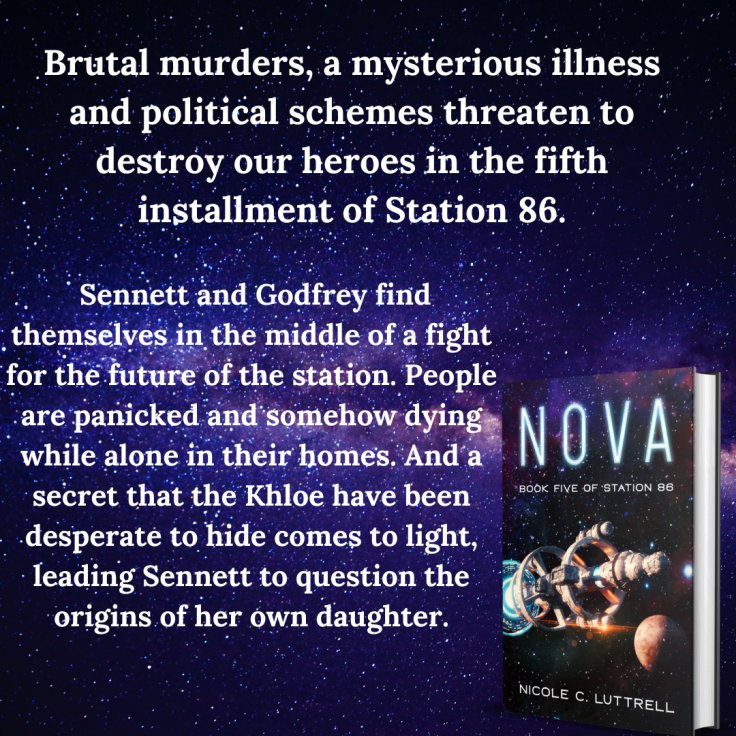
Nova is available now for preorder on Amazon. Get your copy ordered now before the launch on May 17th.

I will never write anything as good as this!

Recently I read a fantastic book called Mister Magic. You can read my full review on Haunted MTL here.

This book sent me into a tailspin for a couple of reasons. The first one was that it dealt heavily with the Mormon church and religious trauma. But the second reason is the one I want to talk about today.

I will never, as long as I live, write anything as good as this book.

I will never write anything as good as The Southern Book Club’s Guide to Slaying Vampires. I will never write anything as good as The Stand. I will never write anything as good as American Gods. These are all works of art, and I am just not a good enough writer to come up with anything so breathtakingly creative and wonderful as these books.

Writers are readers first. People who want to write stories usually want to do this because we love stories. And we love good stories. So I doubt I’m the only writer to look at a great piece of writing and think that my paltry contributions are nothing in comparison.

But, of course, if I let myself be bogged down by this, I’d never write a single word again. And I think some people would miss my work. I know I would miss it.

So what do we do when we feel like this? Well, here are some of the things I’ve been reminding myself of. Hopefully, they’ll help you too.

Art is subjective

It’s important to remember that everyone’s tastes are different. The same book can keep one reader up at night while being a sleeping pill to someone else. And every single book I mentioned as being works of art has one-star reviews right now on Amazon. And as amazing as it is to realize, you might write something that someone else likes better than you do. You should always be your work’s biggest champion, but someone else will probably be your work’s biggest fan. The flip side of this is that the work that you love, might not be for everybody. Maybe some people love it. Maybe some people hate it. But no book is really perfect, and we should probably all take our favorites down of the pedestals we’ve so lovingly placed them on.

You can always get better

It’s probably not fair of me to say that I will never write anything as good as those books. Because, frankly, I might. I’m always trying to get better. I want to write better, more creative, and gripping stories. I honestly feel even now that I’m just coming into my stride as a writer, yes even after writing and publishing eight books.

Writing requires talent, but it also requires learning and practice. We practice every time we sit down and tap on the keyboard just the same as a musician practices at a piano. We are learning, we are growing. And we can, if we want to, write something as amazing as our favorite books.

Not everything has to be a work of art

Works of art are amazing. A fantastic book can be moving, and life-changing. It can save us when we’re in our darkest hour. It can inspire us to change the world, or just be better people.

But we don’t always consume content that is amazing or life-changing. My life was not even a little changed by Rick and Morty, or any book by Philippa Gregory. But I love those a lot. I’ll go nuts over a Philippa Gregory book because it’s fun to read. The same can be said for most of the books I read or shows I watch.

You can write something just because you think it’s fun. You don’t always have to set out to write the next Great American Novel. You can just write something good. That’s okay, encouraged even.

Besides, I’m willing to bet that the people who write those great books didn’t set out to write something that was going to be world-changing. They had a good idea, and they wrote it to the best of their ability at the time. Sometimes that means we end up with trash. Sometimes that means we end up with art. Sometimes that just means we end up with something that passed the time and helped us enjoy our lunch break a little more.

All of those things are okay.

Your work is your own

I was raised with a mindset that I’m still trying to unlearn. It sounds good at first.

You are already doing better than a lot of people. You right now, wherever you are, are doing better than a lot of other people. Your book is better than other published books. If your book isn’t published yet, at least you wrote a book. That puts you ahead of people who are still working on theirs. If you’re still working on yours, at least you’ve started. That puts you ahead of the people who are just wishing they could write a book but haven’t yet bothered to put pen to paper. And all the way down to the poor scrub who doesn’t want to create any art at all and just wants to watch Real Housewives after work in peace.

There are two problems with that. One, we do not gain our worth from creating things. We are inherently worthy of love, acceptance, joy, and peace without ever making one single thing. But two, if this theory works one way, it works the other way. If you haven’t started your book yet, people who have are better. If you have started your book, people who have published theirs are better. If you’ve published your book, someone’s book was more popular. And there is always going to be someone more popular. Someone else will get a bigger advance, sell more copies, get a movie or TV adaption faster or with a bigger budget.

So instead of comparing your art and your journey against anyone else, compare yourself to where you were yesterday. Compare this project with your last project, and see how much you’ve grown. So I don’t need my current book to be better than Mister Magic. I just need it to be better than Nova.

I hope that you write something today. And even if it’s not as good as you want it to be, I hope you like it. I hope it’s good. Because just by existing, it’s already good enough.

Paper Beats World is a labor of love. If you love what we do here, you can support us by liking and sharing this post. You can also support us financially on Ko-fi.

Nova is available now for preorder! You can order it now on Amazon, and read it in full now on May 17th.

Why aren’t you writing?

Writing for most of us starts as a passion. It’s something we love, something that brings joy to our lives. I started writing stories as a child, scribbling down my imagination play.

These days, writing is still a passion. It’s still something I get very excited about. Time spent writing is still fulfilling, still fun. It’s still the best way I know to get my feelings out, entertain myself, and get the demons out of my head.

So why, then, do I feel like I don’t want to write?

Not all the time, of course. Most of the time I want to write so much that I actively forgo other activities to write. I used to play video games, for instance. Used to. Writing and reading are the best ways I can think to spend my time.

And yet there are still times when I want to do literally anything other than write. If you’re a writer, I bet you feel the same way sometimes.

This isn’t ideal. Anything that makes you want to avoid the thing you love most of the world is not great. But to avoid the desire to avoid your writing sessions, we need to figure out why you don’t want to write. And to help you with that, I have five questions for you to ask yourself.

Do you not like your current project?

Sometimes we don’t like our projects. Usually, this happens in the middle of a rough draft for me, and for a lot of other writers. The story feels boring here. It feels like starting at point A was a ball, and getting to point C will be fantastic. But point B is shitty and we feel shitty writing it.

When you feel like this, you want to consider what you’re writing. Is it dull? If so, then maybe you should change it up. Make it more exciting. Because I’m sure we all know as readers that books bog down in the middle. But there’s no reason to accept this as a matter of course. Middles of books can be great fun to read and write. And this will help a lot if you find that you don’t want to write what you’re writing right now.

Remember, if you’re not having fun writing, the reader isn’t going to have fun reading.

Have you made writing into a chore?

When you write for a (alleged) living, it’s easy to feel resentful towards your work. I have a real problem with this. I have this innate hatred of anything I’m supposed to do. This often seems like a kiss of death for things that I love. If I adore a show, there’s no way to ruin that love faster than to decide to review it.

Which isn’t to say I don’t love reviewing things. It’s just that as soon as it turns from something I do for fun and something I do because I have a deadline I’m irritated by it.

But if I let that dumb rebellious you can’t tell me what to do attitude win, I would never do the thing I love most in this world. I would never write work I’m proud of and share it with all of you.

We all have an inner child, but we also all have an inner teenager who wants to slam our bedroom door and play loud music while our parents try to reason with us. The problem is that, in most cases, our parents were right and we should have listened. The other problem is that now that we’re adults and working for ourselves for the most part, we have to be the parents to our inner teens. And the best way I’ve found to do this is bribery.

Bribe yourself to get started. Promise yourself a new book, a trip to your favorite coffee shop, or your favorite bag of chips if you’ll just sit down and get started on the project. I’m sure you’ll find, like I do, that once you get your ass in the seat you don’t need that reward anymore. The writing is always rewarding after we get over that rebellious hump.

Are you tired?

These next two questions might sound the same at first, but they’re quite different. Being tired is a shorter-term malady.

Which isn’t to say it shouldn’t be respected. Maybe you’re tired today. Maybe yesterday you wrote a whole bunch. Or maybe you didn’t get a lot of sleep last night. Maybe you had a few days that asked more of you than you had to give and now you need to rest.

Never put your health in jeopardy to get words on the page. If you need to rest, then rest. The work will be there when you get back.

Are you burned out?

Burnout isn’t the same as being tired. It’s like the difference between a cold and a flu. Burnout is going to take much longer to recuperate from and will take more serious treatment.

I wrote a whole series about writing burnout a few years ago, that you can check out starting here.

The first thing to remember when feeling burned out is that it is morally neutral. You are not lazy. You are not failing. You have been doing too much for too long and in our society that’s almost unavoidable.

Being burned out might require more time away from your desk than you like. I know I hate it. I feel like I’m falling behind while everyone else is running ahead of me. And it sucks.

But you’ve got to give yourself grace.

There are going to be things you cannot put down. You have to do your day job. If you have contractual obligations, you have to meet them or ask for an extension. You have to care for your family, your pets, and yourself. Not in that order. If your writing isn’t the sort of thing that you’re working on a deadline for, then put it aside for a while.

It will be there when you get back. And so will your readers.

Are there more important things you need to be doing?

Finally, I come to the worst question. Because it involves adulting, and it’s the reason why this post is so late. I didn’t have time to write it this week when I usually do. I had obligations at my day job, then I had to go to a doctor’s appointment. Then I had to go get blood work done because of the doctor’s appointment. Then I had to run errands for Easter on Sunday. Then I had to fight with my bank over something. I woke up with the will and desire to spend an hour at my desk working on my current rough draft. What I didn’t have was the time.

I had to be a grownup yesterday. Today, I have to be a grown-up again write contractually obligated work, and clean my house. I have to be an adult, even though I want to write my story.

Sometimes your creative writing is going to have to take a back seat. Sometimes there are other priorities that you just cannot ignore. You have to take care of yourself. You have to mind the business that pays you. You have to care for your family and your living space.

The important thing here is to separate what needs to be done, what probably should be done but can wait for another day, and what doesn’t need to be done at all or could be delegated to someone else. I would never skip writing to dust, sweep, wash the windows, or vacuum. I might have to skip writing to do dishes or wash clothes. It’s about what needs to be done, and what doesn’t.

So that’s it. Now, I want to hear from you. What do you think is the best question to ask yourself when you’re not writing? Let us know in the comments.

Paper Beats World is a labor of love. If you love what we do here, please consider supporting us by liking and sharing this post. You can also support us financially on Ko-fi.

The Muse Vs. The Ambition Monster

I recently came upon a difficult decision in my writing career. A conundrum totally of my own making, because I make stupid decisions sometimes.

Well, that’s not true. I make decisions fueled by my desire to write specific stories at specific times. It’s just the outcome that is stupid and avoidable.

So here’s what I did.

I can never have just one writing project at a time. My fluttery Gemini brain just doesn’t work that way. And I do try to let my projects rest between drafts. So, when I was writing Woven, I started another series. One you might be familiar with.

Station 86.

Well, I finished Woven before I finished Station 86, no surprise. And so I started working on other projects.

I actually wrote an entire science fiction novella. It’s done, but I’m not ready to write the sequel so I don’t know what to do with it.

I wrote a whole novel based on the world of Woven. Again, it’s done and sitting there because I don’t have the time or space to write the second book in the series yet.

The problem is that before I did either one of those things, I wrote the first season of a podcast. And that one I went ahead and produced, then put out in the world before I was ready to work on season two.

Then people liked season one, so I had to write season two.

But I was already working on another book, which ended up being Quiet Apocalypse. And that one I went ahead and published because it was a standalone story.

But then I had to rush, because I was now producing two series that had people waiting for the next book or season. So what did I do?

I caved during Nanowrimo and started a rough draft of a new novel, because FOMO.

If you’re keeping track, that means I now have two novels gathering dust, one novel that I’ve written the rough and second draft of, and two active series that have people waiting for the next installment. If you are one of those people who was waiting way too long for Nova or season two of AA, I am really sorry.

But I wasn’t ready to tell those stories yet.

This is when being an artist and being a content creator are at odds with each other. As an artist, I wanted to write something fresh and new. I was struck by inspiration and went with it. And if I was just writing for myself, that would be more than fine.

But I’m not just writing for myself. I’m also writing for the people who like my stories. I’m writing to hopefully grow an audience of people who like what I do. I’m writing to create art, and then share that art with the world.

And I’m trying not to be a dick about that. I’m trying not to be a George R.R. Martin about that. I want to produce work that people are excited to read, but I also need to be excited to write it. It feels very much like serving two masters. If you’ve ever seen the show Human Resources, I find it to be a useful analogy. I have a muse whispering in one ear, telling me all about the gorgeous new world we could create together. The stories, the very important stories we can tell! All I have to do is take her hand, crack open a notebook, and start this new love affair.

We all know how alluring that can be, don’t we?

But I’ve also got an ambition monster. And she is screaming at me that my fan base is going to dry up and blow away if I let more than a year pass between books/seasons. That bitch is loud, her heels are fabulous, and she has my best interests at heart.

The muse also has my best interests at heart, though.

If this has all been confusing, I understand. It’s a confusing situation. And if you’re working on a series, or maybe just one novel, you might well have felt like this before. It is almost impossible to decide which to listen to, the muse or the ambition monster.

So here is what I’ve done. I don’t know if it’s going to work, but it’s what I’m trying for now. I’m bringing both the Muse and Ambition Monster to the table, and letting them both have a say.

Here’s what they’ve said to me so far.

From the Ambition Monster

You only like the new project because it’s new. And as soon as you start on that new project, it’s not going to be new anymore. So you’ll start on something else. Then you’ll get bored with that, because it’s not new anymore. And if you keep doing that, you’ll end up with a bunch of half-finished stories that you’ll never show anybody. Is that what you want? A bunch of book one’s that never have their book two’s?

Fan guilt is crushing. And you know there are people waiting for that next book. Aren’t you currently irritated that several authors you like don’t have new books out? How long have you been waiting for a new Tamora Pierce book?

Just because no one is reading your story now doesn’t mean they never will. Lots of people wait for a couple of books to come out in a series before they start, so they don’t have to wait years and years for the answer to a cliffhanger. You’ve got to get a couple of books out in a series before you start getting a real following. Focus on that.

From the Muse

You will not write the same book now as you will in a year. You won’t even write the same short story now as you will in a year. You are always learning, always growing. You’re reading new things, and having new experiences. So if you need to wait to write that next book in your series, it might be better for the time away.

You will write a better book if you are passionate about it. That passion is what you need to get through the countless drafts and revisions. Discipline is great, but it can only take you so far without passion to back it up. Besides, if you sit down and write words every day just because you’ve disciplined yourself to do it, they’re not going to be good words. Not words anyone wants to read.

If you force yourself to keep working on a series when you’re not passionate about it, you’re going to burn out. There’s a good chance you’ll never finish it at all. Isn’t that worse than a delay between books? How many shows and book series have broken your heart because you never got a satisfying ending?

So, which of them is right? Both, if I’m being honest. The trick is to balance the two. For me, that looks like working on the next Station 86 book and setting AA aside for now until I feel more inspired to work on it. And it looks like having the self-control to not start another damn series until I have finished with at least one of these.

What the answer to this difficult question looks like for you will depend on your passion, your priorities, and where you are in your career. The only real advice I have is this. Invite both the Muse and your Ambition Monster to the table. They both have important things to tell you.

If you love Paper Beats World and want to support us financially, you can do so in Ko-fi. If you want to support us not financially, please like and share this post.

Stick your ending

If you’ve been following along with my reviews on Haunted MTL, then you know I’ve been obsessed with the podcast Dolores Roach. After watching the first season of the show on Amazon over the summer, I was so excited to dig into the podcast.

And I was hooked for every single episode. Until the very last. And that last episode was horrible enough that I will never recommend this podcast to anybody I care about.

There are countless examples of great stories that end up with terrible endings. Firefly, Dollhouse, Eurika, Dexter. Podcast examples include Lime Town, The Black Tapes, and now Dolores Roach. Even books don’t always get it right, like in The Daughter of Dr. Moreau or even the last book in the Dexter series.

How did that one franchise manage to burn me three times?

The point is that endings are hard. Especially when you’re writing a series. And I get it. Nova, the Station 86 book I’m in the middle of publishing, was never supposed to exist. That story was a series of flashbacks in the final book, which I wrote and decided wasn’t a fitting ending for a series I’ve been working on since 2016.

So I threw the whole thing out, wrote a whole-ass extra book, and am now rewriting the final Station 86 book. Because that’s how important that ending is.

Hopefully, you won’t have to throw away a whole completed manuscript, but it’s important to get these endings right. That is if you ever want someone to read anything you’ve written ever again.

Having experienced so many bad endings in so many formats, I have at least experienced what not to do. So that’s what I’m going to share with you today. Hopefully, it will help you stick your landing and deliver an ending that doesn’t make someone want to throw their tablet at the wall.

Remember genre expectations

While you can certainly write whatever your heart desires, genre fans have certain expectations. And if those expectations aren’t met, a genre fan is going to be frustrated. Many of these expectations do have to do with the ending.

Horror fans expect a twist ending. Romance fans want a happy ever after. Science fiction fans want some sort of hope for the future. If you don’t deliver on these expectations, you’re going to deny a reader what they’re expecting.

Now, there are examples of great works doing exactly the opposite of this. Holly didn’t have what I’d call a twist ending. But that was written by Stephen King. Carrie had a twist ending. The Stand had a twist ending. The Green Mile had a twist ending. So even Stephen King didn’t get away with not adhering to genre expectations until he was the Stephen King who’d already written a ton of best sellers.

I am not even at the Carrie part of my career. So my horror had better have a twist at the end, my adventure fantasy had better have a happy ever after and my science fiction had better have a hopeful ending.

Answer all the questions you set up

A good story works because it has you asking questions. What happens next? Will Dexter ever be caught? Who killed Laura Palmer? Why are people dying alone in their homes on Station 86? What happened to the sugar bowl?

You should be giving your reader those questions. But you should also be answering those questions. And while many of them will be a slow burn, you should have all of your questions answered by the end of the story.

Some of the questions might have ambiguous answers. Some might have answers the reader has to consider. But if this is it, the big finale, you should be answering all of your questions.

Give satisfaction

We all know there are moments in a story that give us deep feelings of satisfaction. The love interests finally kiss. The asshole character gets punched in the face. The gun on the mantle goes off, the chandelier comes crashing down on stage.

Your ending should have several of these juicy, satisfying scenes. All the final ones to wrap up all your subplots. Your reader should be whispering ‘yes’ or ‘finally’!

Remember, delayed satisfaction is great. But you do eventually have to get to the satisfaction part!

Don’t rush things

I’m going to admit something that’s going to be bad news for fans of AA. The next season is going to be a while. Like, probably another year or two. There are many reasons for this, most of them being that making a podcast is hard and time-consuming and aside from my wonderful actors, I am doing the whole project myself.

But the big issue holding AA up right now is that I’m just not sure where the story is going. And I don’t want to rush it.

Serenity, the internationally despised Firefly movie, felt like a rushed project. The last episode of Dolores Roach felt rushed.

Yes, sometimes this means that a story is going to take longer to get out. Like Stranger Things, for example. There is time between those seasons. And while I don’t think anyone is thrilled with that, I also think everyone would be way more angry if the story was rushed. If Lime Town suddenly came out with a season three, I would listen to it. And if the ending didn’t feel rushed, if it was a satisfying ending that answered all my questions and scratched all the itches left by the first two seasons, then I’d consider it worth the wait.

So please, take your time.

Make sure you end your story

That brings me to my final suggestion. If you are writing a story, if at all possible, please finish it!

Yes, I understand that sometimes cliffhangers happen. If you’re writing for TV, you might not have the chance to write the final season you want, because the show might get canceled. Podcasts and traditionally published books have that same concern.

I don’t feel like Dolores Roach had that same concern. If I’m wrong, I’d love for someone to tell me.

Firefly had that concern. I feel like they could have addressed it better. George R.R. Martin could publish his next shitty dragon porn book at any time, but he hasn’t.

Writing a series takes dedication. It takes commitment. It takes time, sometimes a decade’s worth of time. Seriously, by the time the last Station 86 book comes out, I will have been with this series and these characters for a decade of my life. And the first four aren’t even fully novels.

I’m not saying this to scare you away from writing a series if that’s what’s in your heart to do. I am saying this because it’s something I wish I’d understood when I started writing a series. Especially before I started writing two series at the same time, then decided to add in a podcast series for good measure. Writing a series takes time, and it takes away your time to start other projects. So if you’re starting a series, please do so with a passion that is going to carry you through a significant amount of time.

Also, please have an ending planned.

This is one thing I did right from the start. With Woven, Station 86, and AA, I knew the ending before I started writing. I don’t know the whole path, but I do know where I’m heading.

And I get that some of you might be pantsers. Probably not a lot, though, as I’ve been fairly clear this is not a safe space for pantsers. Write an outline, thank me later. But even if you are going to pants your way through your entire novel or series, please at least know what your ending is going to be! That way you’re not staring down the end of your story with no idea what it looks like. Or worse, having no idea when or where it should end at all.

In conclusion, you’re going to put a lot of time into your story. And your fans are going to put a lot of time into consuming it. Don’t cheat them or yourself out of the satisfying ending that you all deserve.

Paper Beats World is a labor of love. If you love what we do here, please consider supporting us on Ko-fi.

My experience with GetCovers

This is not a sponsored post. I’m not getting anything from this, no discounts free products, or anything like that. I just want to share my experience with this company with all of you.

While I love writing, and I love being an indie author, some parts of this job are A. unpleasant and B. out of my skill set. One of those things has always been cover design.

And that’s kind of important. Because yes, people do judge books by their covers.

The covers of my books have been a constant battle. When I was with my old publisher they made covers for the Woven series that, while I had a say in, I was never really thrilled with.

Station 86 has been a unique journey, as far as covers went. The first two were created by a fantastic artist, who unfortunately wasn’t available to work on the rest of the series.

So, being broke and doing my best, I created the covers for books three and four. I also did the cover for Man In the Woods and Quiet Apocalypse.

While these covers aren’t bad, they aren’t great either. I am, after all, not a graphic designer. I’m not a visual artist. I’m certainly not someone with a ton of knowledge about the market.

I write stories. That’s what I do.

So when I finished Nova, I couldn’t bring myself to create a cover by myself again. I was prepared to scrape together enough money to hire someone to do the work for me. I was prepared to do a whole Kickstarter campaign because I am broke.

Then, I watched a Jenna Moreci video, in which she discussed Getcovers.

Now, Jenna did do a sponsored video and has a coupon code. Here’s a link to her video, so you can use her code.

Even though it was a sponsored video, she made the product seem enticing. A polished, professional cover for a price I could afford. Yes, this was exactly what I needed.

And yes, the cover did turn out great. I think by now you’ve all seen the cover for Nova, but here it is in case you haven’t.

So today I thought I’d break down my experience for you in case you, like me, need a good cover for a price a broke indie author can afford.

I started on their website by making a selection for my price and services. I chose the middle option, which was $20 and included two licensed images.

After I paid, I was sent a questionnaire for the cover. These were some pretty simple questions about genre, color preferences, and comparable titles. I went to Amazon, searched for the most popular sci-fi books, and chose some covers that I thought were great.

Not long after I received an email from the artist who would be creating my cover. She asked some follow-up questions and offered some additional things like an inner cover page, which I ended up ordering as well.

After a few days, I received some mockups to look over. And they looked fantastic. The graphic wraps around the cover, which will be nice when I launch the physical version of Nova in May.

The package also included a cute little mockup image that I’ve been using in marketing.

Overall, I was pleased with the process and the result. It’s certainly inspired me to work with them again on a larger project that I’ll be talking about more later this year.

I would recommend Getcovers if you’re getting ready to publish a book. Or if you’re planning to relaunch any books. Unlike so many, many other parts of the self-publishing process this was quick, inexpensive, and successful.

Paper Beats World is a labor of love. If you find value in our content, please consider supporting us on Ko-fi.

You’re not running for vice president

Paper Beats World is a labor of love. If you want to support the site, you can do so on Ko-fi.

Story time. Years ago, the darling husband and I were watching the news. It was in 2008, John McCain was running for president with Sarah Palin as his running mate.

Remember when she was the dumbest politician? I don’t remember which of the many foolish things she said prompted this conversation, sadly. But it was probably something to do with geography because geography isn’t my strength. Palin gave some stupid answer, and the darling husband mocked her.

And that stung. Because, as I told him, I didn’t know the answer to that question either.

“Yeah,” he said. “But you’re not running for vice president. You don’t have to know that.”

All these years later, that comment still comforts me. Because, you see, I don’t always think so much of myself, intelligence-wise. It’s easy to think you’re dumb when you’re told your whole childhood that women, God love us, just aren’t that smart. So even now, after working over ten years in a tech profession and publishing ten books, I tend to doubt myself. When I don’t know something, anything, I feel like that’s a personal failing. Even weird, obscure things that most people don’t know.

So I wanted to share some thoughts on this with you today.

You don’t need to feel stupid for not knowing things.

There are so many things to know in this world. No matter how much you think you know, there is so much more to learn that we will just not know it all.

And that’s normal. You can’t possibly know things about everything. You’re going to have things you’re really good at, and things you’re not so good at. Like I said, I’m not good with geography. Or physical dimensions. Oh, and I can’t remember dates unless someone makes a musical about it.

This doesn’t make me dumb. It just means that these are not things that I know because frankly, they don’t interest me.

But I can tell you every lyric to most songs I’ve ever heard. I know a lot about history if it interests me. I can talk on and on about the history of the horror genre, especially if it’s about George Romero. I can tell you a little bit about a lot of things. And I do not think that people who cannot answer those things are stupid. It just means that those things don’t necessarily interest them.

If you don’t know things, it never means you’re stupid. It just means you don’t know that thing.

You don’t need to know everything to expect other people to know things.

That being said, you are allowed to expect people who claim to be experts to know what they are talking about. Politicians are a good example. I don’t know how to feed and care for the homeless. I don’t know how to fix roads, lower grocery prices or increase people’s pay. I don’t have answers for those things, so I’m not a politician. But that doesn’t mean I can’t expect the politicians that I elect to have answers to these difficult questions. That’s what they’re supposed to know.

We are allowed to expect our doctors to know how to help us heal. We are allowed to expect teachers to know their subject. We are allowed to expect the local librarian to be able to help us find the books we need.

And if we’re talking about politicians, we should hold them accountable when they don’t have the answers for those things. That’s their job.

You can always learn something new.

Finally, if you find something that you don’t know, but you want to know, then you can learn it. You can always learn new things. No matter how old you are, or how young. No matter if something seems daunting, difficult, or confusing. No matter if it will take you time to learn that thing. If you want to learn it, if it gives you joy to learn, then you should put in the time for yourself.

I am 37 years old, and I recently got a violin. I haven’t held a violin since 5th grade. But I’m going to get it repaired and learn how to play it. Right now I’m a little intimidated by the whole thing. I don’t remember the cords. I cannot read sheet music.

But I am not a professional violinist. I am not expected to know. I am not stupid for not knowing. But I can learn.

I hope that you carry this with you like I do. On the days you feel dumb, when you feel like you never have the right answer. Or when something new you’re trying to learn is daunting. Remember, you’re not running for vice president. And if you do want to run for vice president, or do something else hard, you can probably learn what you need.

A WordPress.com Website.

Up ↑