We should be concerned about AI writing

It was a dark and stormy night, the kind of night that makes you want to stay inside and lock all the doors. But Sarah had promised her friend she would house-sit for her while she was away on vacation. The house was old and creaky, and the sound of the rain tapping against the windows made Sarah uneasy.

As she settled into the couch to watch a movie, she heard a strange noise coming from upstairs. It sounded like footsteps, slow and deliberate. She tried to convince herself it was just the old house settling, but the sound persisted.

Sarah cautiously made her way upstairs, her heart pounding in her chest. As she approached the guest bedroom, the sound grew louder. She pushed the door open and found the room empty. But then she noticed something odd – the closet door was slightly ajar.

As she reached for the door handle, a cold breeze swept through the room, sending a chill down her spine. She hesitated for a moment, but curiosity got the better of her. She slowly pushed the door open, and what she saw made her scream in terror.

Standing in front of her was a figure, dark and shadowy, with eyes that glowed like fiery embers. Its mouth twisted into a sinister grin as it reached out to grab her. Sarah turned and ran down the stairs, the figure hot on her heels.

Just as she reached the front door, Sarah felt something grab her ankle, causing her to trip and fall. As she looked up, she realized that the figure had been nothing more than a coat hanging in the closet. But the relief was short-lived as she heard a sinister laugh echoing through the empty house.

Sarah quickly got up and ran out of the house, never looking back. She never returned to that house again, and she never spoke of that night to anyone. But she knew that she had encountered something truly terrifying, something that she could never explain.

I didn’t write that story, a chatbot did. 

Yeah, we’re talking about chatbots today. And I’ll be really surprised if I’m the first person you’ve heard talk about this topic. It’s been hotly contested in social media. Artists of all sorts are in arms about AI-generated art. Is AI content taking a chunk of the already slim writing market? Are we going to lose our jobs to AI writers? Was this blog post written by an AI?

(No, except for the above story, it was not. This is all me, baby.)

The bad news

Let’s start with how I got the above story that, again, is not mine. I pulled up a free AI word generator and asked it to write me a scary story. That’s exactly what I typed in. Write me a scary story. Whether or not that story was scary is arguable. But the story is competent.

So what if I had asked the AI to write me a product description? Or a blog post on a specific topic? The chances are good that I’d have gotten a similarly bland but competent response. 

Back in the day, I wrote product descriptions for independent businesses. Lots of writers do that to make money. Some other ways writers make money include but are not limited to ghostwriting blog posts, writing content for business sites, and copywriting. When done well by a creative and talented writer, any of this content can be awesome. But not everyone needs that writing to be awesome. Frankly, that writing just needs to be competent. Businesses need a ton of writing done, and nothing is saying it needs to be lyrical and lovely. It just needs to give accurate and concise information. So yes, I think a lot of companies that used to pay writers for writing are probably already using AI-generated work instead. Being a full-time writer was already hard. Hard enough that I, after nine years of work have not gotten there. Lots of writers rely on copywriter gigs to make consistent income. To me, this feels like low-cost competition copywriters didn’t fucking need.

Then, of course, there’s the thorny little question about where this content came from. Again, referring to the story above, I do not know how the AI did that. In a matter of seconds, by the way. For all I know, this writing is the work of some unnamed and uncredited author. An author that I just unknowingly stole from. And insulted by calling their work dull. If that’s you, I am sorry. But don’t worry, creativity’s like any other muscle and it can be strengthened. 

The point is that stealing from creatives is a terrible thing. And it’s the last thing we want happening on a grand scale.

This is a major concern for visual artists, and I get it. No one should have the right to take your work, even a part of it, without giving you the credit you deserve.

The good news

You probably didn’t need me to tell you that the story above wasn’t mine. It’s clearly not my writing style. If you’ve been around Paper Beats World for a while, you know my writing style. 

If you’re a fan of anyone’s writing, you can probably recognize their writing style. I could read a paragraph by either Laini Taylor or Justina Ireland and probably tell you who wrote it. 

This is what is really missing from that writing example above, any sense of personal style. 

This is why I don’t think creative writers have anything to fear from AI writing. At least, not yet. AI can only replicate what already exists. It cannot develop its own style, or create new things. 

Yes, I do think the market’s going to get flooded by shitty, AI-written fiction. No, I don’t think it’s going to cause much of an issue. There is still no replacement for human creativity and personality. 

What can we do about it?

Sadly, I don’t know that there’s much we as individual creators can do. We can’t make businesses hire actual writers instead of using AI-generated content. And we certainly can’t stop people from using this AI technology. Nor should we, because that’s a slippery slope. Look, I might not think the AI can write a good horror story, but it still has a ton of vital uses.

But we can reject AI-created work. As indie writers, we can keep hiring actual graphic artists to create our covers. We can shun AI art and writing online, and call it out when we see it. We can make sure that we’re being honest if we do use AI in any of our writing. 

Which, to be clear, I have no intention of doing. But if you do, that’s fine. Just remember that real human creativity is always going to shine through. 

Another way to battle AI content is to support flesh and blood creators. If you’d like to support Paper Beats World, you can do so on Ko-fi.

The best writers in films

Last week, we talked about ten of the best fictional writers on television. Which of course got me thinking about some of my other favorite fictional writers. The writers portrayed on the big screen. Because of course, people love talking about what they’re passionate about. And what writers are passionate about, more often than not, is writing. 

Today, I’m bringing you the top seven best portrayals of writers in movies. Some of them are funny. Some are scary. And some made me bawl like a baby. But all of them are great examples of flawed people trying to do the same thing we’re trying to do; craft stories.

Secret Window

Starring Johnny Depp and based on a short story by Stephen King, Secret Window is the story of a writer named Mort Rainey looking for some peace to write his latest book. This quiet is destroyed by a man named Shooter, who insists that Rainey stole his short story. Rainey desperately tries to prove that he didn’t commit plagiarism, while Shooter stalks him through town.

I honestly think being accused of plagiarism is scarier than being accosted by some hayseed in a wide-brim hat. I adored this movie. And I thought the ending, unlike some of King’s other endings, was truly satisfying. 

Orange County 

Starring Colin Hanks and Jack Black, this is the hilarious story of a young writer named Shaun, desperate to escape his dysfunctional family. He goes through a series of hilarious hijinks with his brother and girlfriend, trying to get him into a writing program at Stanford. 

If you’ve never seen this movie, it’s a great time. And of course, it discusses the very real issue of whether or not to attend higher education. 

The Shining

Of course, I was going to be talking about this one. It’s not the first Stephen King story on this list, and it won’t be the last. It is, perhaps, the most famous. 

Do I even need to summarise this story? Jack and Wendy, and their son Danny, spend the winter at a hotel as caretakers. This is every writer’s dream, and Jack is a writer. He thinks he’ll spend the whole winter writing his novel while making some easy money.

Of course, that amount of quiet and isolation is often the last thing a writer needs. It’s also the last thing a struggling alcoholic needs, especially when his spirits are replaced by, well, spirits. 

Dead Poet’s Society

(Note. This movie deals with teen suicide.)

A good teacher can make all the difference in a young person’s life. Especially the life of a young artist. Such is the case with John Keating, played by Robin Williams. He inspires a group of teenage boys to not only read poetry but to care about it. To care about their own writing as well. Keating reminds them, and us, that a poem is not a dry dead thing. It is a moment in time, an emotion, a spark, captured in words on a page. 

It’s a passionate movie about living for what makes you feel alive. 

Moulin Rouge!

Yes, I do love this movie, and not ironically. Is it a good movie? No, not really. Is it a really fun movie with a wonderful soundtrack and a fun main character? Yes, yes it is. 

Christian is a writer looking for work. He wants to write a play for a dance club called the Moulin Rouge. Its star is a woman named Satine, who is dying of consumption. Through his writing, Christian makes her last days magical. Even as he struggles to protect her from the evil Duke. It’s full of music, wild characters, and absinthe. It is, I think what a lot of us thought the writing life would be like, full of drugs and interactions with wild artists. Spoiler, it’s actually full of coffee and editing manuscripts while turning down social invites because you’re on a deadline. 

Misery

This will be the last time I talk about Stephen King in this post, I swear. But you know I had to talk about Paul Sheldon, Annie Wilkes, and Misery. 

Starring James Caan and Kathy Bates, this is the terrifying tale of an obsessed fan who saves her favorite author from a car crash. All is going fine until she finds out he’s going to kill off her favorite character. Then, things get not fine real fast. 

On one hand, I love the thought of having someone obsessed with my writing. On the other hand, I hate the idea of having someone that obsessed. Either way, it’s a dark and gruesome tale, told well. 

Also, Kathy Bates is a queen. 

Finding Forrester

This is easily my favorite movie about writing of all time. It stars Rob Brown and Sean Connery. This is the tale of a reclusive writer who is, frankly, an asshole. Through a series of events, he starts mentoring a young writer named Jamal. 

A lot of topics are discussed here. Racism, of course. Poverty, and how it impacts the opportunities of young people. When it is and is not okay to approach a famous person. In the end, though, it’s a story about a friendship built on a common passion. A passion for writing. If you’ve never seen it, go watch it right now. It is incredible. 

Now, I want to hear what you think. What is your favorite movie about a writer? Let us know in the comments. 

Paper Beats World is free to read, but it’s not free to make. If you can, please consider supporting the site on Ko-fi. 

Emotional Support Stories

If you want to support Paper Beats World, you can do so on Ko-fi. 

At the start of 2023, I was not in a good place. I’m doing better now. It was just a bad case of seasonal depression. But I decided to manage my depression by diving into my emotional support book series. 

Series of Unfortunate Events. 

It’s a long series, I’m still reading it. Currently reading the Grim Grotto. As a side note, you can always follow along with what I’m reading on Goodreads and Bookbub.

All that being said, I wanted to talk a little bit today about emotional support content. It’s been trendy on Instagram recently to share your emotional support content, and I am down for this. As always, I love that people turn to stories in times of darkness. We can always find light between the pages of a book.

Or other mediums, honestly. I have several emotional support shows, like The Good Place, Schitt’s Creek and Futurama. 

So, we already know that good fiction can brighten our lives when we feel dark. But why do we have these specific stories that we come back to over and over again? Wouldn’t a new story be a better distraction? I mean, I know what’s going to happen in every Unfortunate Events book. Can it engage me enough? Wouldn’t it be better to read something new, like finally getting into Sarah Mass or reading Wheel of Time like my husband has been trying to get me to do for years?

I took some time to think about it. While I was thinking, I also paid attention to how I was emotionally reacting to the new content I was consuming. And I realized something. Certain stories were making me sad because they reminded me of some of the very real traumatic events in my past. Things that are still hurting me today.

Yes, I could avoid content that might trigger these memories. Except, sorry to say, trigger warnings don’t work with trauma. Because you don’t always know what’s going to trigger your trauma.

Some things are clearly going to be impactful. I knew going in that things like Stephen King’s The Outsider was going to be upsetting. I did not expect a random episode of Agents of Shield to trigger me. I knew Inside Out was probably going to be hard. Didn’t expect Encanto to make me bawl. 

A story doesn’t have to directly relate to the cause of your trauma to remind you of your trauma. So, unfortunatly, any piece of content could potentially upset someone.

Okay, but that doesn’t mean I’m going to stop reading, watching or listening to new things. I love new stories. And realistically, we are never going to live in a world where we are completely safe from memories of our past. I personally don’t think we should even try to, because I’m a big believer in shadow work and healing from my past.

But that work, my friends, is exhausting! And we cannot, should not do it all the time. So yes, there are times when we should fall back on our emotional support series. 

I know how I’m emotionally going to respond to Unfortunate Events. There are no surprise triggers waiting for me. I can enjoy a story and give my emotions a rest. 

Emotional support content doesn’t need to be uplifting or happy. Though my shows certainly are. The only requirements are as follows. 

You’ve experienced the story before.

You know that your emotional reaction to this story will be positive. 

So please, if you have a friend who is watching Parks and Rec for the fifteenth time, don’t judge them. They might just need a break. 

I would love to know what your emotional support content is. Please let us know in the comments. 

Creativity Burnout, focusing on the results, not the journey

So far in this series, we’ve talked about fighting creative burnout in a world that’s difficult to survive in. We talked about fighting it in a world that feels like it’s on fire the majority of the time. And we’ve talked about fighting it when the problem is your project. Now we’re at the final post in this series, so it’s time for me to call myself out. (At least, it’s the final post in the series for now. I am open to doing more in this series if there’s a specific creative burnout you’d like me to cover.) Today, we’re talking about my biggest writing weakness. Focusing too much on the results, and not enough on the journey.

So, what do I mean by this? I mean two things, both of which I’m susceptible to. One, we worry too much about meeting self-imposed deadlines. And two, we worry too much about how the work is going to be received.

Let’s look at the two problems separately. 

First, the self-imposed deadline. Deadlines are a beautiful thing, and I certainly encourage every writer to have them. Without a deadline, it’s far too easy to put off writing for all the other things clamoring for our attention. So when I start a writing project, I set what I think is going to be a realistic deadline. Then, I add another week past that. 

Even this is sometimes not enough of a cushion. Because things happen. Some days I can’t work at all. And sometimes the project takes more time than I think it will, thanks to rewrites and freewriting. 

The best thing to do here is not to get rid of deadlines altogether. But instead, see them as flexible. Rather than rushing and putting out poor content, it’s better to give yourself and each project the time it needs to be what it deserves to be. 

However, knowing this and putting it into practice are two different things. And I can tell you from experience that it’s freaking hard when there’s so much pressure to remain relevant. It often feels that if I’m not putting a new book out, a new blog post, a new podcast, a new short story, or a new something you all who read my work are going to forget about me.

These are the demons that whisper to me. I bet you have a similar demon. 

But let’s think about this, without the stress demon whispering to us. I know that I don’t forget about my favorite authors, not even when it’s years between books. When Tamora Pierce comes out with a new book, you want to believe I will buy that sucker. The same for a litany of other authors. 

And the same is true for content creators I follow online. Lisa Jacobs, one of my favorite marketing people, vanished for several years to pursue a corporate job. When she decided to come back to the online marketing space, I was pumped! I bought one of the first courses she offered. 

Also, it’s been years since season two of Limetown. If they came out with season three in 2026, I’d still be there to listen unless I was dead. 

So, I don’t forget about content creators even after they take long breaks between projects. Why should I assume that those who read and listen to my content won’t do the same? 

Next, let’s talk about the fear of how our work will be received. I don’t know a single writer who doesn’t worry that their work isn’t going to sell. This is another demon that likes to whisper to us. No one’s going to buy your book. No one’s going to listen to your podcast. No one’s going to read a long-winded blog post full of too many tangents and stamp collector hate. 

Every single creator has those thoughts. And the scary thing is, they might be right. There is every chance that a creative project might fail. 

If you let those thoughts get into your brain, it might stop you from writing altogether. It might also leave you spiraling, going over your work over and over again, sure that it’s never good enough. Sure that this line will be taken wrong, it’ll offend someone you never meant to offend.

If I may be totally honest with you, I almost didn’t publish Quiet Apocalypse, because I was scared to death that people would think it was anti-abortion. Just in case anyone has that concern, IT IS NOT ANTI-ABORTION. 

This spiral worry that the story isn’t good enough, or that it’ll be taken the wrong way can mean death for your writing. It can drown you. 

What’s the solution? Write for yourself. Write content that you enjoy, and that you would want to read. Write what makes you happy. Because yes, there’s a possibility that you might be the only one who reads it. So you might as well like it. And remember, creating art just for art’s sake is still awesome. It’s still more than a lot of people do. And I have said over and over that writing is its own reward. 

But here’s the great thing about that. You’re going to produce your best work when you like what you’re writing. When you’re having fun writing, it’s going to be more fun to read. 

So take your time. Write what you love, and don’t worry about how it will be received until later drafts. That’s when your marketing brain can come into play. And I think you’ll be surprised to find that the work you did while you were having fun is pretty damn good. 

If you’re interested in supporting Paper Beats World, you can do so on Ko-fi.

Creative burnout, your project isn’t working

Paper Beats World is free to read, but it’s not free to make. If you want to support Paper Beats World, you can do so on Ko-fi. 

So far in this series, we’ve talked about some heavy reasons you might be experiencing creative burnout. We talked about life taking a toll on us. We talked about the world sometimes being a shitty place to be. 

There are other reasons we might suffer creative burnout that aren’t so clinically depressing. This week, we’re going to talk about a common one. 

You have a project you’ve been working on. A novel, a short story, a podcast season. Whatever it is, suddenly you’ve hit a snag. You don’t have the energy to work on it anymore. You have the time, but not the inclination. Is it the dreaded writer’s block? Have your words failed you?

Probably not. 

The problem is probably with your story. For whatever reason, it’s not working. You know it’s not working, and you’re not ready to admit it. So, instead, you’re ghosting your draft like you’d ghost someone on Tinder. But unlike your Tinder stalker, your project can still be saved. 

See the problem for what it is

The most important step to take is to see your problem for what it is. It’s a problem with the story, not with you. You are not lazy. Remember, laziness doesn’t exist

This is good news because problems with your story can always be fixed. Maybe your characters are boring. Maybe the pacing is wrong. Maybe there’s just not enough going on to compel the plot forward.

The important thing is to not internalize this. You are not your writing. No one story, no matter how bad, is going to define you. 

Now that you understand that, we can talk about how to fix it. 

Freewriting time

Freewriting is my favorite writing tool. I will come to the blank page like I would a trusted friend and just spill my guts. When my story isn’t working, a lot of what I’m doing in freewriting is complaining. 

This is boring. 

I hate this main character.

What is even happening?

I don’t want to write fight scenes, I hate them.

This isn’t interesting enough.

There’s too much going on to keep track of.

Yes, I do eventually get tired of hearing myself complain. But, by that time I have a list of things that need fixing in my draft.

Mind you, I will do this even if it’s a rough draft. While I don’t normally edit first drafts until they’re done, sometimes it’s unavoidable. Sometimes the project just isn’t going to work how it’s going right now. It’s better to toss a draft and start at the beginning again than to lose the project together.

Talk it out

Sometimes the blank page isn’t the best ear, though. While it’s a great listener, it can’t talk back.

This is when it’s important to have writing friends. Or, at least friends who you can bounce things off of. Friends who don’t mind hearing about your story in its infancy. Most importantly, friends who you trust to be honest with you, even if they don’t think you’re going to like the answer. 

Take a break

If you’ve taken your project’s problems to the freewriting page, you’ve met a writing buddy for coffee to talk it out and you still don’t know how to fix your project, it might be time to take a break. Set the project aside for a while, and work on something else. Note that I don’t suggest avoiding writing altogether. I suggest taking a break from that specific writing project.

The reason for this is simple. You want to keep exercising your writing skills. Every bit of writing teaches us something. And remember, your brain is still working on problems even when you’re not actively thinking about them. So while you’re writing a bit of poetry, your subconscious is still working through the problems with your space opera. 

I don’t suggest taking too much time away from a problem project, though. Otherwise, the subconscious will forget. My rule of thumb is no more than a week.

Is this the story you want to tell?

Before I even go into this, let me be clear. This is a last resort. This is not going to be the case most of the time. 

That being said, sometimes a story just isn’t one that you want to tell. Sometimes it’s a great idea, but you aren’t the person to write it. 

There’s no shame in this. Maybe you tried a different genre and it’s just not working for you. I, for example, love reading historical fiction. I do not love writing it. That does not mean that I am a bad writer. It just means that I have a genre that I’m good at writing, and several genres that I am not good at writing.

Of course, there are other reasons a story might not work. It’s hard for me to tell you how to spot this problem because it’s a personal problem. But deep down, we as creators know when our creation just isn’t working out. 

It’s okay to know when to quit. Just so long as you can truly say that you’ve given it your best try. 

Creative burnout when the world is on fire

You can support Paper Beats World on Ko-fi.

I’d already planned to write this post today before the train wreck in North Palestine Ohio. It’s one of those coincidences that doesn’t feel coincidental. 

I’m not in Ohio, but I am in the dangerous range. We could smell the chemicals in our little town. My throat burned when I went outside. Thank God, we weren’t downriver. But we were downwind. 

The people who are living in North Palestine are living in poisoned land. They are hurting, they are suffering, and they are livid. They should be. 

I am living in tainted land. And I am pissed about it. 

I’m so pissed, that it’s been kind of hard to write. 

This isn’t the first time. I don’t need to tell you what I’ve been struggling with, because you’re struggling with it, too. Flint Michigan still doesn’t have clean water. Cops are continuing to murder innocent black people with little to no repercussions. Living is becoming increasingly unaffordable. Oh, and last year half of us lost the right to make medical decisions about our own bodies. 

And what am I doing? I’m writing my little stories about ghosts, dragons, and spaceships.

When the world is burning around us, it is easy to feel like creating art is worse than pointless. In the years since 2020, I have actively felt like I was almost mocking the world by writing and publishing stories. What did my work matter, with everything going on? What does any of our work matter? Thoughts like that are enough to still any pen. 

But stories do matter. Stories about the dark and dismal parts of our lives matter. And we have seen this in both classic and modern literature. Stories can tell truths about our world in ways that make them easier to handle. They can shine light into deep shadows we can’t, or won’t, see into. They can give us a glimpse into other people’s lives, so we can understand their world better. So we can empathize with people who live far different lives than we do. 

If you don’t think this is powerful, ask yourself this. Why are politicians working so hard to ban books? 

That being said, a lot of what I write doesn’t have a damn thing to do with current world events. My last book was about a haunted apartment building. So, am I still wasting my time if I’m not writing serious literature about the horrors we’re facing? 

Well, let me ask you something. What did you do the last time you were overwhelmed by the world?

Did you read a book? Watch tv or a movie? Listen to music? 

I did. Hell, there’s not a day that goes by that I don’t do all three of those things. Stories get me through the worst of times. And I’m willing to bet they do the same for you.

So, why wouldn’t we put out stories for other people? If I can write a little ghost story that helps someone through a hard time, why not do it? That sure doesn’t sound like a waste of time to me. 

Thoughts like that are enough to get my pen moving. I hope they do the same for you.

And check out last week’s post, when we talked about creative burnout caused by trying to survive.

Creative burnout, surviving is hard

If you love what we do here on Paper Beats World, please consider supporting us on Ko-fi.

I sat down today, planning to write a blog post about creative burn out. I wanted to talk about the reasons why you might be feeling burned out creatively, and what you can do about it. As I started writing, though, I realized that this wasn’t going to fit in one post. It wasn’t going to fit in two, either. In order to say everything I feel needs to be said, this is going to be a whole series.

The reason is simple. Creative burnout comes in all sorts of noxious flavors. And just like you can’t care for a headache the same as a stomach bug, you need to care for different creative burnouts in different ways. 

Today, I want to talk about the most common form of Creative Burnout. Good old fashioned life burn out. 

We’re all busy. I work over 40 hours a week in my day job. I work for Haunted MTL, writing reviews and co-running our social media. I have a home to care for, a family to care for, and a me to care for. And I would like to be involved in politics at least a little, because we should all do that.

Then, I also write books and podcasts. You know, in my free time. 

I am not unique. The things we need to do in a day usually take more time than the day holds. We know this, and yet we keep right on trying to shove thirty-eight hours of activities into twenty-four. Surprise, this leads to burnout. 

The easiest way to deal with burn out is to avoid it in the first place. This starts by making sure that your needs are met first. Get enough sleep, eat good food, drink water. Move your body a little every day, even if it’s just a quick dance break in your kitchen. Make and keep doctor’s appointments. It’s a lot harder to get burned out if you’re well rested, full of veggies and hydrated. 

The next thing I do to avoid burn out is to plan my life. You all know I’m a big fan of planning, and this is why. Take at least one day off a week. Celebrate days that matter to you by putting as much of your work away as you can. As a witch, I honor Full and New Moons, Sabbats, and the feast days of my two favorite saints. These, along with the more well known holidays, are built in breaks from work that we all need. 

Of course, you don’t have to honor the same days as everyone else. It’s just important that you’re taking regularly scheduled breaks, and putting them into your planner first. 

Last year, I treated myself to a course from Lisa Jacobs called the Fast Track Toolkit. This isn’t sponsored, I just really got a lot out of the course. And one of the biggest thing I learned is that I was trying to do too much at one time. I was writing huge to do lists every day, which wore on me emotionally. Even though there was no way I was going to get it all done, each item on that list was a weight on me all day. And when I consistently didn’t get the list done, I felt like I’d failed. When I really paired down all of my projects, and focused on just a few items at a time, I found that I was less stressed and got more done. If you can do this course, I suggest it. 

On a similar note, I’ve all but stopped multitasking. It’s a hard habit to break, but absolutely necessary. I don’t know if I need to go into a lot of detail here, because we all know that multitasking is a bad idea by this time. Multitasking is the Millenial’s version of smoking, just in case you haven’t heard. Focusing on one task at a time is going to help you get that task done better, and with less stress. 

All this being said, most people are just not going to be able to avoid burn out all the time. I absolutely understand that not everyone can do any or all the things in this post because I cannot do all the things on this post. Deadlines sneak up on us, emergencies happen. Life finds away to mess itself up. And of course, just taking care of your needs is literally impossible sometimes. Frankly, inflation is eating us all alive right now, and we have to make some hard decisions. We don’t always have the ability to have good food in the house, and are going to have to rely on cheap, fast food. We don’t all have the luxury to take a personal day from our day job. Many of us are working multiple jobs just to, you know, not starve or be homeless. 

Sometimes, burnout is impossible to avoid in today’s world. And if you are burned out, it’s important to remember two things. One, it’s not your fault. You didn’t do anything wrong. And two, you are sick. You may not be physically ill yet, but you are still sick. So you need to treat yourself like you’re sick.

Sleep as much as you can. Take long showers. Eat food that fills you, physically and emotionally. Drink tea with lots of honey. Say no to literally everything you can say no to. Do this until you feel better. No matter how long that takes. Just like when you’re physically sick, if you keep pushing yourself it’s going to get worse to the point that you cannot push through. Then, it’s going to take even longer to heal.

If you ever do.

TLDR: Burn out is real, and prevention is the best medicine. If you cannot prevent it, remember that you’re sick and you need to give yourself time and care to heal. 

Personal Writing

I have a secret. The writing that you see from me here, on Haunted MTL, and in my novels, is not everything that I write. If I were being generous, I’d say maybe half of the writing I do is ever seen by another human being. 

That’s something to consider, isn’t it? I’m not exactly Stephen King, but I do put out a considerable amount of work every year. Usually one new book or podcast season, at least 52 blog posts, and just under 100 critical reviews. Then there are all the short stories, poetry, and micro-fiction I post on Instagram and Mastodon.

So, what is all this other writing? Am I holding out on you? Well, no, not really. Most of the writing isn’t all that interesting. It’s the compost, as Natalie Goldberg would say. It’s the freewriting and writing exercises that are to a writer what a practice sketch is to a painter. These are vital pages, even if they’re mostly nonsensical, out-of-context work. I have been practicing a lot of description writing recently because I realize my descriptions suck.

In my sketchbooks, you’ll find bad poetry that I wrote just because it was fun. You’ll find story ideas that went nowhere, little things that stuck out to me through the day, and little angry notes from things that piss me off at my day job. I also talk a great deal about things that are worrying me in my sketchbook. A lot of things worry me, and there are just only so many ears that care to hear my woes over and over again.

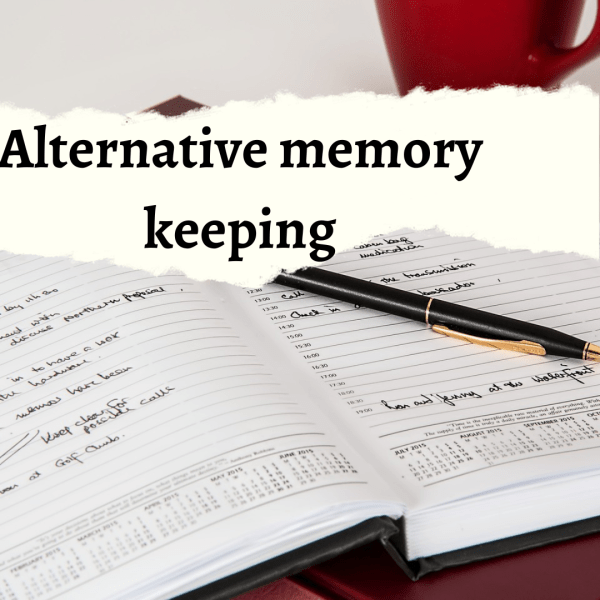
My personal writing falls into three categories. Writing that is practice, writing that is memory keeping, and writing that is therapy. 

Writing practice happens every day. I try to start my day with ten minutes of freewriting, kind of like stretching. Later, usually in the afternoon, I’ll try to do a writing exercise. This doesn’t always happen, of course. But I try to make it happen most days. 

My memory keeping is much smaller. There are little notes jotted in my bullet journal, my sketchbook, and my grimoire. I also keep a dream journal and a gratitude journal. As if that wasn’t enough, I’ll write one line about the day each day on my perpetual desk calendar. All of this takes maybe five to ten minutes in the morning. I just want a few snapshots. Later, I want to be able to visit with who I am now. 

Finally, of course, I do a lot of therapeutic writing. I’m no stranger to negative emotions, of course. I’m often angry, sad, depressed, and stressed out. These emotions aren’t bad, and they need space to be expressed. They need to have space to exist. There are reasons why we feel how we feel.

The healthiest place I’ve found, to let these negative emotions have the space they need, is on the page. 

Whether you’re a writer or not, these forms of writing can be great for you. Writing is fun, frankly. It can be fun to write a little poem or story idea, even if it never goes anywhere. Memory keeping is a wonderful thing to do, both for your future self and your loved ones. And of course, I think we all have emotions that we need to get out of our heads and give another space to live. If you want to get a little witchy with it, you can burn the paper afterward. It’s therapeutic.

So, I want to hear what you think. What sort of writing do you do that is just for you? Let us know in the comments. 

Paper Beats World is a labor of love. If you love what we do here, consider supporting us on Ko-fi.

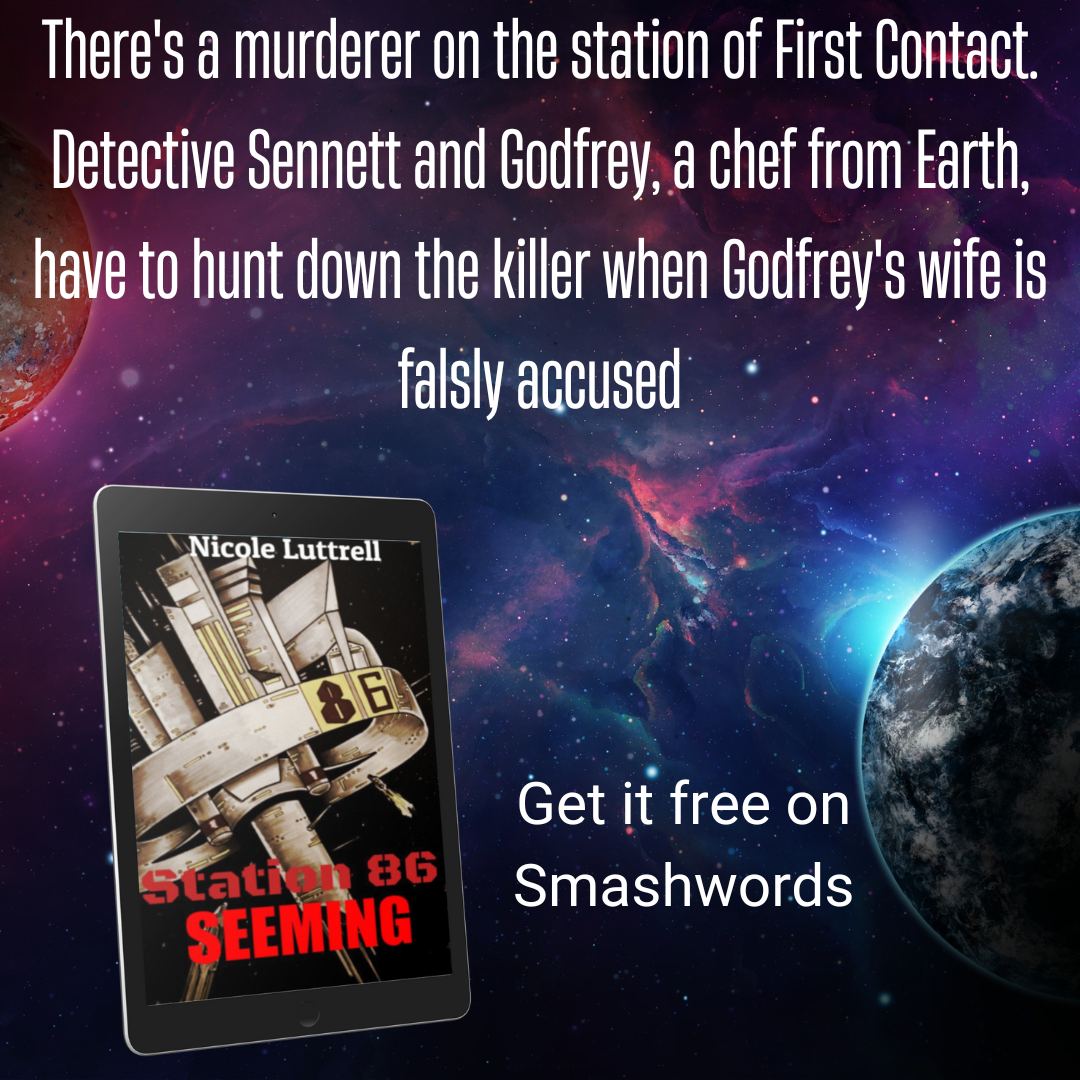
Click here to get it free on Smashwords.

How Nickelodeon made me a better adult

Paper Beats World is a labor of love. If you find value in our content, please consider supporting the site on Ko-fi.

I was born in the mid-eighties. That means that I need aspirin for my back most days, I will never own a house, and I grew up in the golden age of Nickelodeon. I can recall the premiers of the first three Nick-toons.

Probably I’m biased, but I think people my age are pretty cool. We have twisted senses of humor, a love of horror stories, and are more politically active than generations before us. Some of that’s because the internet became more and more prevalent as we got older. But I think some of the credit goes to Nickelodeon.

Or, without making sweeping generalizations, I am at least convinced that I am the funny, horror-loving socially aware person that I am at least in part because I grew up with these five shows.

Pete & Pete

This stands as one of the weirdest shows I have ever seen. It’s the adventures of two brothers who were for some strange reason given the same name. And their world just gets weirder from there. They exist in a world with adults who take their jobs far too seriously. The bus driver who nearly runs Big Pete off the road. The school principal who makes the whole school attend an assembly on ear hygiene. A quality inspection agent who inspects everything and demands perfection. A mail woman who keeps careful verbal notes on her route every day. And Artie! The strongest man… in the world!

The show certainly gave me a taste for the quirky, with a slight touch of darkness. It also taught me that grownups are just big kids. No matter what we might tell ourselves.

Are you afraid of the dark

Maybe one of my favorite shows from childhood, Are You Afraid of the Dark was a creepy anthology series. In each episode, a group called the Midnight Society came together to scare the hell out of each other around a campfire. There were stories of ghosts coming back for a visit, demons that came out of comic books, killer clowns, and hypnotic music boxes.

My love of anthology horror was sparked by this show. But something else was sparked. These kids were telling decent stories, stories they wrote themselves. It led me to think that maybe I could write a story.

Maybe. 

All That

I’ve always considered All That to be kind of like a farm league for Saturday Night Live. Long-running cast member Kenan Thompson got his start on All That.

All That was funny. Sometimes it was smart funny, and sometimes it was just dumb funny. But it was always a good time. 

I was, sadly, a pretty serious child. All That was one way I got a little bit of much-needed funny in my life. It was also my introduction to some iconic musical artists. It was the first time I saw TLC, Coolio, Brandy, and Outkast. It was an important musical education for me.

Nick News with Linda Ellerbee

I didn’t grow up in a very politically aware house. I’ve never seen my mother with a newspaper. She never turned the news on, and never seemed aware of world events. Whenever we talked about ‘current events’ in school, I was largely lost.

So watching Nick News was instrumental in me realizing two things. One, there was a big world out there where people were living very different lives than I was. And two, I might be able to understand it.

Nick News talked about some topics that were amazing to hear about. I remember when Magic Johnson was on for a special episode to talk about his HIV diagnosis. I remember kids my age asking him honest, intelligent questions, and getting real answers. Wars, politics, and environmental issues were laid out in a way that was attainable for a kid, but not condescending.

Kids Pick The President

After everything I just told you, it should come as no surprise that voting wasn’t a huge thing in my house growing up. I can’t remember Mom voting for anything but American Idol. 

And yet, I have never missed an election. Not presidential, not local. I have voted every year since I turned eighteen. And I was able to do that because of the education I got from Kids Pick The President. It seemed fun as a kid to vote, which led to me being ready to register to vote as soon as I was old enough. For kids who don’t get that education at home, Kids Pick The President was a blessing.

The point of this post isn’t just to take a self-indulgent trip down memory lane. Though, that is a perk. No, I told you all that to tell you this.

Some of you reading this, I assume, write for children or young adults. I write young and new adult fiction, at least some of the time.

If you’re writing for kids, teens, and young adults, I feel like you’ve got an obligation to give them something real.

I’m not saying you’ve got to teach them the state capitols or some great moral lesson. But I am saying that you should give them something good. Something that will help shape the kind of human being that you want to have around. And if you want to do that, you could do worse than emulate the qualities of these classic Nickelodeon shows. 

Smashwords

Ten free tools for the working writer

Do you know what’s expensive? Everything, my fam, everything. Grocery bills and utilities are up from last year. Rents are going up, including mine. This is leaving everyone’s budget tight, including mine.

Do you know what else is expensive? Being a working writer, specifically an indie writer. Professional editing, writing software, cover art, web hosting, conventions. It all adds up fast.

I’m going to be fully transparent with you right now, and share exactly what I’ve spent writing money on this year.

– $150 for Nebula con

-$110 for web hosting

-$60 for Dabble (If you do Nanowrimo you get a really sweet coupon for Dabble that takes the price down by a lot.) 

-$15 for printing

– And I’ve lost track of how much I spent on Amazon ads. 

Everything I spend is worth it. I’m not spending as much as some other authors, honestly. I could be investing more. (And I should for sure be keeping better track of how much ads cost me.) 

But most of the things I use every day to run my writing business don’t cost me anything. So I wanted to talk today about what I use, give a shoutout to some companies that deserve it, and maybe help you save some hard-earned money. 

None of these items are sponsored, these are only my opinions.

IMDB

I rely on the International Movie Database for reviews. I use it to check facts about actors, directors, and anyone else involved with a piece of visual content I’m talking about. I can check the upcoming schedules, release dates, all of it. Honestly, this site is my best review friend.

Bookbub and Goodreads 

Much like IMDB, I use Goodreads to check facts for my book reviews. I also cross-post my blog posts there if they’re book related. I use them to market my books, reach out to all of you lovely people, keep track of the books I want to read, keep track of what my friends are reading. It’s a good time. 

Oh, and Bookbub tells me when books I might like are on sale. So I’ve gotten some good book deals that way. 

Grammarly 

I might have talked about Grammarly before, but it bears repeating. Everything I post online goes through a Grammarly search first to make sure I’m putting out my best material. 

Notion

Notion has a paid service, but I’ve been using the unpaid one for almost a year now and I love it. I use it to organize projects, my schedule, my to-do list, and my blog plans. Keep in mind, I run this site, contribute to Haunted MTL, work on three podcasts, and write novels and short stories. This is all in addition to having a full-time job and, you know, living. If I didn’t have Notion in addition to my bullet journal, I would lose my goddamned mind.

(Are you guys interested in how I use Notion along with my bullet journal? Let me know in the comments if that would be an interesting blog post) 

Canva

I for sure have mentioned Canva before, but I’m going to go ahead and sing its praises again. 

Canva is a site that allows you to create graphics, book covers, Instagram posts, anything pretty much. I’ve also started making my wallpapers there recently, and that’s been an enjoyable experience. I make all of my blog graphics there, including the one for this post itself.

Again there are some paid options, but a free version works just fine. 

Pixabay

Along with Canva, Pixabay is the site I use to find good fair use artwork and pictures. And they are, let me tell you, lovely. Almost any picture on here or on my social media, unless I specifically took it myself, is from there.

Query Tracker 

This is by far my favorite site when I’m submitting work to literary agents. It has up-to-date information on agents, lets me search by genre, and keeps track of who I’ve submitted to! I am so bad at keeping track of things like that, no matter how hard I try. This site has kept me from double submitting more than once. 

Submission Grinder

I swear, sometimes it takes longer to find a place to submit a short story than it did to write it. But the Submission Grinder helps out here. You can specify what sort of market you’re looking for in a great amount of detail. What word count, genre, and pay level are you looking for? You can be specific, allowing you to just see markets that fit your current story’s needs instead of wading through places that are just a waste of your time. I love this site.

Submittable

This is one that I’ve been using for years and years to find writing markets. And it doesn’t just contain short story markets. I’ve searched for writing jobs, review work, nonfiction, agents, and publishers. Anything you want to sell, you can find somewhere to sell it here.

The Library

This might seem like a no-brainer, but it’s just not talked about enough. A writer cannot do anything better for themselves than having a good relationship with their local library.

I tweeted about this the other day but in case you missed it, here’s a list of things I did in just one trip to the library. 

-I got a pile of research material for an upcoming book.

-I got a draft of AA published for the next round of editing for way cheaper than anywhere else. 

-I had a quiet place to work and read for a bit. 

-I was able to get a cheap cup of good coffee.

-I snagged a copy of Daughter of Dr. Moreau, which I’ve been excited to read. 

Your local library is an indispensable resource. We don’t talk about them enough. We don’t thank them enough. 

So that’s it! Hopefully, this list will save you some money and maybe even some time. 

I’d love to hear from you, though. Are there any writing tools that you couldn’t live without and cost no money? Let us know in the comments. 

Want to support Paper Beats World? You can do so on Ko-fi.

You can also follow us on Twitter, Instagram, Bookbub, Goodreads, and Pinterest

Want a free book? Station 86 number 1, Seeming, is available for free on Smashwords.

A WordPress.com Website.

Up ↑