Why Disenchanted works, a character study

Often when I’m talking about why a show works, I find myself pointing out one strength over and over. The stories I love the most are the ones with the best characters. 

That being said, instead of breaking down all of the reasons why Disenchantment season three works, I thought I’d focus on just this one element. 

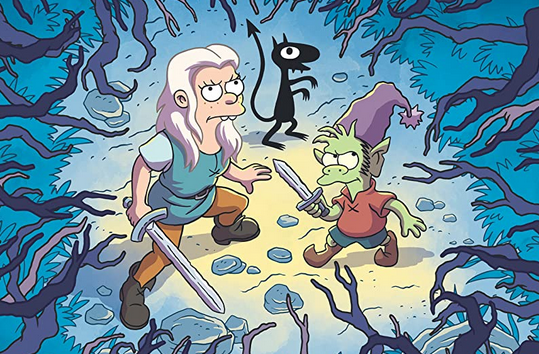
We’re not going to go into all of the characters in this season. There was a lot, and most of them were good. We’re just going to look at the five main characters, and what made them so well written.

Elfo

Elfo was one of the most sickeningly nice characters for the first two seasons. The only nice one. And he got shit on, constantly. Bean took him for granted, Luci actively tortured him. And this season he’s just done with it.

Good for him.

But instead of handling this responsibly, Elfo’s lashing out in every and any direction. He’s looking for love in some self-destructive places. He’s having a hard time keeping his emotions under any kind of control. While this is obnoxious, it’s also realistic. People don’t have mature and level responses to things all the time, neither do elves. It makes Elfo a more realistic character that he’s being kind of an oversensitive prick this season.

Luci

Originally tasked with being Bean’s personal demon, Luci has decided that he doesn’t care to live his life for another. Even if he’s living his life to mess with another. He’s decided to branch out and take care of his needs. He bought a bar and seems to enjoy running it. That being said, he’s still around when his friends need him. Or when he wants to express his love for them by torturing them.

Luci also finds himself growing attached to King Zog in his illness, which we’ll discuss later. At first, he resents being treated like an emotional support pet for a crazy person. But in the end, he wants to be helpful. He wants to help take care of the people he cares about, despite his selfish instincts.

He’s still a demon, but he’s not a very good one. 

King Zog

Some hard stuff has happened to King Zog. Like really hard. His first wife tried to kill him, a couple of times. His second wife finally had enough of him and ran off to be a pirate. He was briefly in love with a bear. On top of that, his daughter is a rebellious handful, his closest advisors are plotting against him, and he was trapped alive in a coffin for a while.
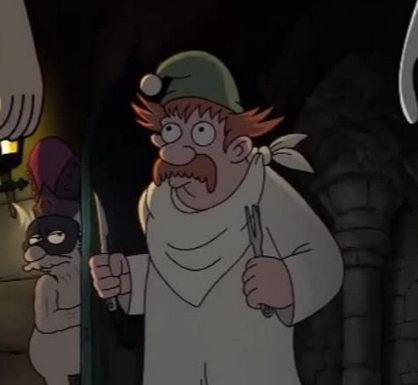
Rather than just having him shrug all this off with a cliche ‘I’m getting too old for this shit’, he has a psychotic episode. He starts making weird quacking sounds, can’t make decisions. He’s scared of everything. He can’t feed himself.

This is kind of funny. But it’s also kind of what a realistic physic break might look like. I appreciated that. 

I also appreciated that, even though Zog’s a meathead and selfish, he’s ready to do what he needs to for his people. I don’t want to spoil things. So I’ll just say that he shows humility, and does something that we don’t see a lot of characters with power do.

He gives it up.

Queen Oona 

Queen Oona was the biggest surprise in this season. I wasn’t expecting to see her much. It kind of felt last season like they put her on a bus. Or in this case, a pirate ship. 

Instead, she comes in with her brand of support for Bean. She’s there when she’s needed, but she’s not there to take on the whole situation.

And it’s not for the sorts of reasons we usually see. She’s not leaving Bean to take care of things herself because Bean needs to be strong. She’s doing it because she’s got her own life to live. This is still her family, but she’s got her own thing going on. Her own badass pirate thing. The evolution of this character from a walking joke to a feminist badass has been really fun to watch. It’s an example of how you do character evolution well.

Bean

Finally, we get to the main character, Bean. 

Bean is what I would call a flawlessly flawed character. She drinks, she’s selfish, she’s a pain in everyone’s ass. I don’t know why anyone thought she needed a personal demon. She does well enough getting into trouble on her own. 
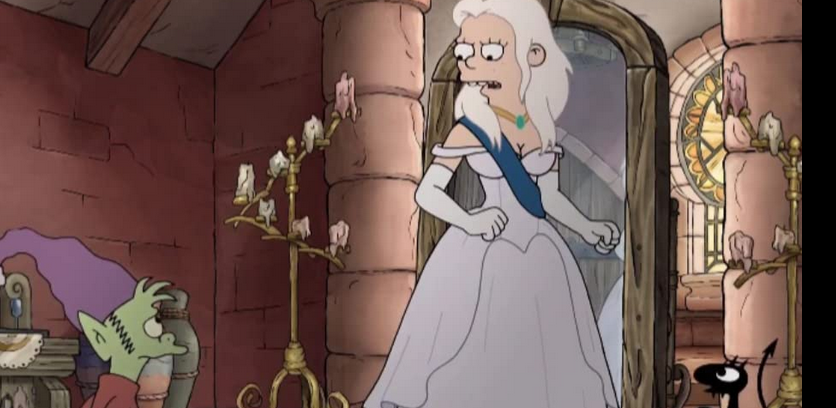
But it’s not just pain in the ass behavior with no purpose. Bean doesn’t want to care about anything, but she does. She isn’t just selfish and then starts caring about others. She seems as though she pretends not to care. She is trying to numb herself to a world she didn’t feel qualified or able to fix. When allowed to change things, to fight for things, she does it.

It’s amazing what someone can do when they think they might make a change. And what sort of debauchery they’ll get into when they care but feel helpless.

So what do you think? Have you seen the latest season of Disenchantment? Let us know in the comments. 

You can support Paper Beats World on Ko-fi.

Want to get Paper Beats World posts two days early and without ads? Support us on Patreon.

Sylvermoon Volume IX is available now!

It’s a new book! Yay! Even better, it’s a collection of speculative shorts by some of the best indie authors around. Including, of course, me.

Some awesome authors you might recognize are G. Russell Gaynor, Madolyn Locke and Greg Alldredge, to name just a few.

Some of the stories are whimsical, some are terrifying. All are pretty freaking good.

Here’s a link if you want to check it out.

I hope you love Sylvermoon Volume IX. It’s a joy to participate with these awesome authors every year. And the end result is always amazing.

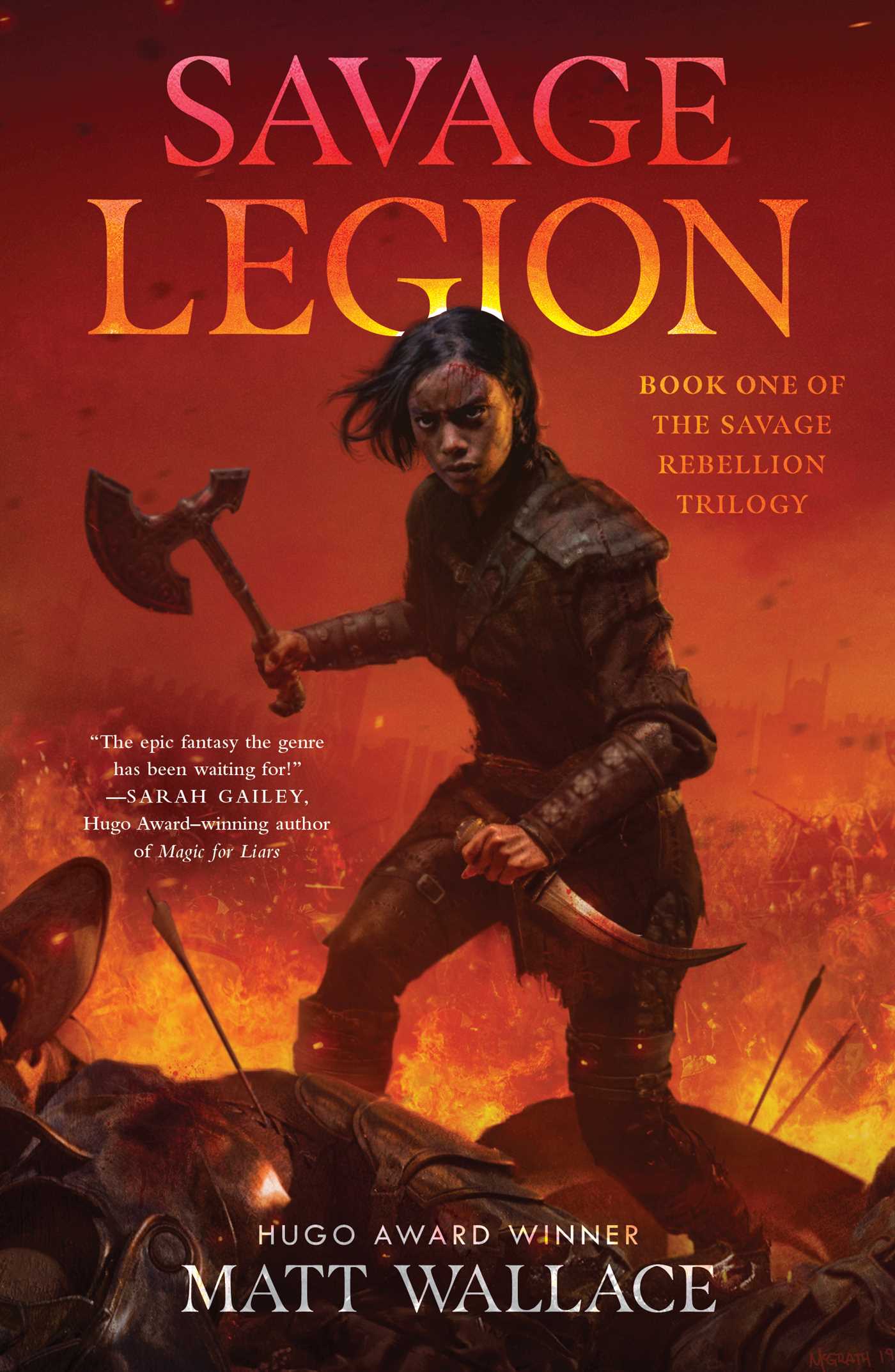
Why Savage Legion Works

I love a good, thick fantasy novel, let’s just get that out of the way, first. And we were to judge Savage Legion by Matt Wallace only on its size, it would be a winner. 

Fortunately, it’s got a lot more going for it. It’s funny, has great characters and was just overall fun to read. 

Today, we’re going to break down why Savage Legion works. And if you haven’t read it yet, we’ll also be talking about why you should. 

The first thing that really stuck me with Savage Legion was that it’s set in the present tense. This was a weird decision that was, frankly, a bit jarring at first until I got used to it. It was one of those brave decisions that we all want to make, but we’re too scared to. 

It did, as I said, take a bit of getting used to. But once I was accustomed, it was great. I felt more in the moment. This was not a tale being told. It was a story that was happening right as I was reading it. 

Now, am I saying everyone should start writing all their books in the present tense? No, probably not. But it wouldn’t hurt to take a few artistic chances. They might lead to the best thing you’ve ever written. 

Now, let’s talk about Taru. Taru is the first and only non-bionary person I’ve seen in a fantasy book. And instead of their whole story being about that, they’re an actual person who has thoughts and opinions outside of their sexuality. 

What a concept! 

I’m sure I’m missing a ton of non bionary characters out there, but the only one I can remember was on an episode of Bones. They were not handled well, to say the least. 

Taru is loyal, funny, brave and scary as hell. And if you want to write about a non bionary character, this is how you do it. 

Another thing done well in this book is the world building. This world, and the city of Crache feels real. It feels like something that would evolve in our own world. The politics, because there’s a lot of politics in this book, make perfect sense. The enemies battling Evie and the other savages feel real. And when the characters, one by one, come to horrible realizations about their government and the people who run it, that feels real too. 

Finally, let’s talk about connecting plotlines. Early in the book we’re introduced to three very different women. Evie, Dyeawan and Lexi. It’s only as their stories progress that we find that they are very much tied together in the deadly web those in power are weaving. 

Now, I’ve seen this done well and I’ve seen it done poorly. I’ve seen it done as a plot device to simply show the world from diffrent points of view. 

That’s not what’s going on here. This is giving vital understanding of the scenes and plans unfolding that we just wouldn’t have with just one character. While the three main characters meet face to face only once or twice, their stories are barreling head on towards each other. I’m honestly not sure who’s going to be enemies or allies when that time comes. And that’s the sort of thing that gets a reader itching to read the next book. 

So that’s why Savage Legion works. It takes chances, it depicts people from different walks of life well, and it shows multiple plotlines coming together in surprising and wonderful ways. But now I want to hear what you think. Have you read Savage Legion? Why do you think it works? And what would you like to see me talk about next? Let us know in the comments. 

Support Paper Beats World and get posts add free and two days early when you subscribe on Patreon. And get bonus content.

You can also support us on Ko-fi.

Why Truth Seekers works

Say what you will about Amazon (and I do) but they are putting some of the most original, creative and brave shows out there right now. I’ve already talked about several of their shows and why they work. And today we’re going to talk about another one. Truth Seekers.

I won’t lie, I was first drawn to Truth Seekers because I am a huge fan of Shaun of the Dead. I tend to have certain actors that drive me to watch anything, and Simon Pegg is one of those actors. (He’s also amazing in Star Trek.)

Sometimes that leads me to watch some shitty things. Truth Seekers is not one of those times.

The story of season one is thus. Gus, a cable repair tech, is saddled with training a new partner named Elton. 

Elton John. Yes, that’s real.

This is stressful for Gus because he likes to work alone. But it’s also getting in the way of his ghost hunting side gig.

Yes, Gus is a Youtube persona who hunts for ghosts. 

This is all well and good when he’s posting time-lapse videos of a door opening by itself. It becomes quite another sort of adventure when the ghosts start acting like they’re in a horror movie and not in an episode of Ghost Hunters.

So let’s talk about the three biggest reasons Truth Seekers works. 

The characters

Okay, I point out characters in almost every single why it works post. There’s a reason for that. This might be an unpopular opinion, but I don’t care. A good cast of characters can save a dull story faster than the other way around. 

Every one of the characters, from main character Gus to Elton’s agoraphobic sister Helen, every character feels real. Everyone feels like someone you might honestly meet on a day to day basis. 

More than that, though, is the interactions between characters. Gus is devoted to his dad, even though they fight constantly. He misses his wife every day, and he’s not the least bit shy about it. Elton and his sister have a relationship that gets better the more you learn about them. 

I cared about each of these people. I wanted them to succeed. I wanted them to be okay. There wasn’t a single character I didn’t believe to be an honest person. This is because we see the bad along with the good. We see selfishness, anger, pain. But these aren’t just traits thrown in so the authors could say they made a character with good and bad traits. The flaws and strengths of each character made sense given what they’d been through.

Everyone’s got a secret

Mind you, my opinion of these things came from watching the whole first season. It takes that long to get to know each character’s true motivations. Why does it take that long? Because everyone is lying to each other all the time.

Not for cruel or selfish reasons. The reasons for the lies are best left discovered by the viewer. 

This works so well because there are so many secrets waiting to be discovered. And every secret is a payoff for the viewer. These payoffs are scattered through the season, keeping the viewers guessing while doling out bits of satisfaction as we go along.

The ending is shocking but makes total sense

This is something I love in fiction. Something so hard to do. The ending of this season is a twist. It’s a hell of a twist and I don’t dare ruin it.

That being said, once you know the ending you’ll see all the little clues that led up to this making perfect sense. It’s hard to do. But if you can create an ending that is surprising but also makes sense, you’re golden. 

So what do you think? Have you seen Truth Seekers? Do you think it works? Let us know in the comments below. 

You can support Paper Beats World on Patreon and Ko-fi.

My favorite bullet journal spreads to keep your life in order and plants alive

This month I began my seventeenth bullet journal. Her name is Sage. 

In all this time, I’ve never really taken the time to share my bullet journal strategies or collections with you. I’d like to say I don’t know why, but I do. 

My bullet journal isn’t as pretty as most of the ones you see online. 

I love watching those videos on Youtube of people making these gorgeous spreads. It’s one of my favorite things about getting ready for a new month. And I’m not a terrible artist. I try, I do.

But here’s the thing. The pages I’m going to share with you today don’t need to be aesthetically pleasing to help you out. The important thing is the information you’re tracking, not the decorative doodling. I’m going to suck it up and share some pages with you today. If you don’t bullet journal, I hope this inspires you to start, artistic abilities or not. 

These are not my daily, weekly or monthly spreads. These are extra spreads that save my ass and help keep my life in order. At least, as much order as it can have. If you’re interested in a post about what goes into my daily, weekly and monthly spreads, let me know in the comments. 

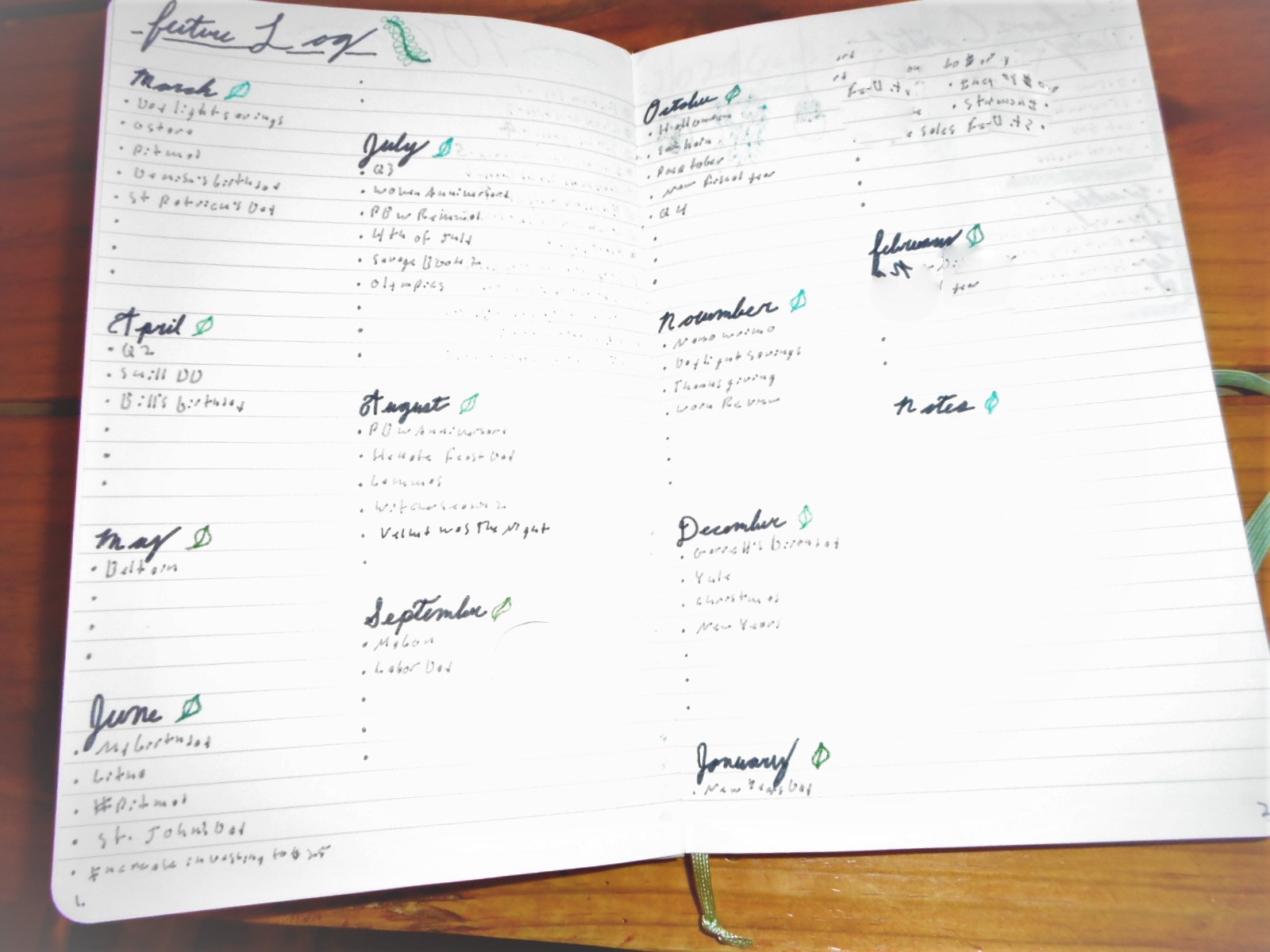
Future log

Everyone’s got a future log. I just think mine’s the best. 

It’s very simple. I’ve just written the days of the month, followed by space to add in things as they come up. I set this page up every time I start a new bullet journal, keeping notes for the next twelve months.

What you track here will be up to you. But I keep track of holidays, holy days, birthdays, upcoming book releases, upcoming show releases, or anything else I might need to know about when that month comes around. I also make sure to build in at least three blank spaces for things I’ll find out about as I work through this bullet journal.

I like to keep the decorations on this page minimal and clean. I’ll be referring to this page a lot, and a clean page is less likely to get tiresome. It also gives me space to add things in as I need to. 

Yearly goal page

Again, this is a pretty common spread, but one that does wonders for my mental health. I keep a list of my life goals at the top of the page. Not really because I think I’ll forget. But because I want to keep my focus. 

Then I write down all the things I want to accomplish in a year. I like this list to be simple, but specific. Get a new computer, beat my 2020 income, produce Off The Bone season one. Later on, I’ll have a page dedicated to a step by step process for a goal if it needs it. Here is the space for just a bullet point list. This is what I want my big-time goals to be for this calendar year.

It is the best feeling to cross off a yearly goal. I made a couple of goals I knew wouldn’t take all year to accomplish just so I could get to that feeling sooner.

In case of emergency page

No, this isn’t a list of emergency numbers or anything like that. That information is at the front of the book. 

No, this is a list of things I need to remember for an emotional emergency. 

Maybe I’m feeling down. Maybe I’m having an anxiety attack. Maybe I’m so tired I don’t think I can go on.

When I get like that, I tend to forget my coping mechanisms. I don’t think I’m the only one who does this. Even something as simple as making a cup of tea, I can’t think of that when I’m in that sort of mood.

Fortunately, I can go to my emergency page and see the little notes I’ve left myself. 

I feel stressed. Okay, Make a cup of tea, light a candle, and journal about it. I feel sad. Read my gratitude list, light a candle, find a small win and draw. It’s the spread that has saved me mentally more times than I can count. 

Goodreads goal

This is another one that a lot of people have, but I love it. It’s pretty simple. I drew little rectangles to represent books I want to read. Then I write the title in the book. I keep track of when I started it and when I finished it. And as I make progress on the book, I slowly color it in. 

You might notice on the page that there are also three smaller rectangles at the bottom of the page. Those are the books I finished for my goal this year before I started this bullet journal. 

I also keep a list of books I want to read at the bottom of the page. Honestly, I wish I’d done a two-page spread for this. I’ll probably do that next time.

Rolling shopping list

You know what, there are a lot of apps to keep shopping lists on. Do you know what I never have with me? My tablet.

But I’ve always got my bullet journal. So if I suddenly notice that we’re low on Tums, I can write that down right away. Then, when I go to the store, I know what I need.

When was the last time I…

Here’s another page that has saved me a ton of hassle. On it, I keep track of things that I need to do, and when the last time I did them was.

When was the last time I washed the bedding?

When was the last time I took a day off?

When was the last time I ran a virus scan?

You get the idea. I check this page every week when I’m making my to-do list. And I know if it’s been too long since I’ve backed up my files. Instead of just being pretty sure it’s been too long.

Plant care log

If any plants in my house are alive, it’s because of this spread. I keep a neat list of all the plants I have when the last time I watered them and fed them.

This again saves my brain from having to remember when the last time I remembered to water anything. And it saves the lives of my little green darlings.

This is by no means an exhaustive list of every page in my journal. But it is a list of pages that help me out. If they help you out, give the post a like or share it.

Thanks a lot, guys. See you next week. 

You can support Paper Beats World on Ko-fi and Patreon.

My favorite stationary for writing and bullet journaling

<a href="http://Image by <a href="https://pixabay.com/users/monfocus-2516394/?utm_source=link-attribution&utm_medium=referral&utm_campaign=image&utm_content=3297317">Monfocus</a&gt; from <a href="https://pixabay.com/?utm_source=link-attribution&utm_medium=referral&utm_campaign=image&utm_content=3297317">PixabayToday’s lovely art is from Monfocus.

After a long month of cleaning and organizing our whole lives, let’s take things down a notch today. Let’s talk about one of my favorite things and something you probably like too.

Let’s talk about stationary. 

Specifically, this is a list of the products I use to write rough drafts and keep my bullet journal. This isn’t a sponsored post, I don’t get kickbacks for any of these products. They’re just what I’ve found works best for me over the years.

LePen

I’ve talked about these pens pretty frequently. It’s because I’ve been writing with them for six years now. They’re beautiful, come in a ton of colors, and they write on almost anything. I don’t know what it is about a felt tip pen that makes me so happy. But it does.

These are great because I can use them for literally anything. I write rough drafts, write in my bullet journal and planner with them. They’re just one of those things I have to keep on hand at all times.

Good old composition notebooks

If you’ve read any fiction from me, chances are it started life as a rough draft written longhand in a composition notebook.

I mean like the old black and white marble covered ones we used to use in school. 

They’re cheap, let’s start with that. So I feel comfortable writing absolute shit in them. I also love that they’re hard covered, so I can more easily take them places to work on novels outside of my home. Easily the best notebooks to write rough drafts in.

George Stanley notebooks

I do enjoy something a little more long-lasting for my writer’s notebook, though. I stumbled upon one of these notebooks at Staples years ago. After using it for quite some time, I was impressed by the quality. The coil doesn’t come apart, the paper is thick, the cover is solid. I drag my notebook all over the place, as any good writer should. So I need a notebook that’s going to stand up to that sort of abuse. Yes, these notebooks are a bit pricey. But it’s the sort of thing I need to invest in.

Index cards

Another staple in my office is index cards. I use these mostly for outlining. So almost any novel starts with me buying a fresh new pack. 

What a feeling that is. 

I love this because I can write out plot points on the cards and then spread them all out over the floor while I’m figuring the story out. It looks a little mad, to be honest. 

Post its, multiple sized

No writer should be without post its. They play a part in most of my editing. I use them to mark out chapters, keep notes in rough drafts, leave messages and reminders in books. Essentially anytime I need a layer of paper on top of paper, this is what I reach for. 

If I can get them, I also like the little tab markers for keeping drafts in order.

Moleskine

I think these have fallen out of style for bullet journals, but I honestly don’t care. I love these things.

I always get the lined hard covered ones, but I’ll switch up the color. I love everything about them. I love their hardcover. I love the little ribbon to mark my place. I love the envelope in the back to store things. I love the creamy paper that rarely bleeds. I love how soft the paper feels. I love the elastic holder.

Sometimes you can grab these on sale if $20 is too much to drop on a notebook. And keep in mind, I don’t go through these. I might fill two a year. If I went through any more, I don’t think I’d buy the super expensive ones.

Tombow Brush pens

These are a recent find, but I love them. These brush pens are used in my bullet journal and for any drawing I do. Their colors are bright and vivid. They last forever. And they just feel so artsy. 

They also cost a decent amount, usually $3.50 per pen. So it’s a good damn thing they last awhile. 

Sakura Gelly Roll 

Because I like to do a lot of layering in my drawing, gelly roll pens are a must. I use them to draw over ink I’ve already put down. This is especially useful with a white one. It helps me give dimension to drawings or make them look like they’re shining. 

Pilot Precise V5 in red

In red and red only. I use these pens for just one thing, editing. 

The pen tip is super sharp, and it makes me feel like I’m literally cutting the fat out of my drafts. The ink stands out well and doesn’t dull when I’m shuffling through pages for months. 

So that’s it. Those are the tools of my trade and where most of my money goes. But now I want to hear what you think. What are your favorite stationery supplies? Let us know in the comments.

You can support Paper Beats World on Patreon and Ko-fi.

Life audit with me, week four

It’s the fourth and final week of our life audit. By this time your home, your habits and your mind should be a little less cluttered. 

Not the whole way, I’m sure. It’s a process, becoming who we want to be. Every day we make progress. And anytime you want to revisit the questions or prompts, you can do so. I made a pretty printable of the whole life audit. It’s available now on Patreon.

Today’s post is different. It’s for those of you, like me, who have a creative business. 

Mind you, this isn’t a business plan. There are so many creative business plans available online. I’ve pinned a few on my Pinterest board if you’re interested. 

No, this is a check-in. An in-depth look at what’s working and what’s not. I do this audit at the end of each quarter since creative businesses change so much faster than traditional ones. So grab a cup of coffee or tea, and let’s take a look at some cold, hard, creative numbers.

Question one. What products or services do you have available right now?

Let’s start easy. What are you currently selling? Books, courses, jade carvings? Make a list of everything you have available for sale.

Now that you’ve got it all down, you should be able to see a few things. Are some of your products or services outdated? Have you forgotten about one product and just not talked about it for a while? (I did this.) Was there a product you meant to have a follow-up to and just never got around to it? Write it all down.

Question two. Where do I make money?

Start by writing down all of the platforms you make money on. Amazon, Smash words, Etsy, directly from clients. Wherever it is people pay you, get it down.

Now, take a look at your income for the last twelve months. Write down how much money you made on every platform.

What ones are doing well, and what ones aren’t? For the ones that aren’t are they not doing well because they’re not a good fit or because they need more effort? 

This can be eye-opening. I realized that I made more money from this little blog than I did from sales of Station 86 books in the last twelve months. I don’t know how to feel about that. But at least now I know.

Question three. Where do I spend money?

Every business costs money. Maybe a little, maybe a lot. Write down all the money you spent on your business in the last twelve months, and where it went.

This is crucial information to have. Are you spending your money in smart ways? Are you getting things for your business that you don’t need, or could be bought cheaper? Are you subscribed to any services that aren’t serving you anymore? These are questions only you can answer. And you can’t answer them without the raw data. 

Question four. What are my three highest sources of income?

Do you sell just a ton of bangle bracelets off Etsy? Are you killing it with clients? 

Knowing where you shine helps you work to your strengths. It also helps you see what’s not working, and what might be best to cut loose.

Question five. What projects are you going to be working on for the next 3/6/12 months?

This is where the fun starts. At least I think it’s fun. 

Take a look at your schedule, and make a rough list of what projects you’ll be working on for the next three months. Then, the next six months. And finally, the next twelve. 

Mind you, this is not set in stone, so don’t get too freaked out by this. The point of this exercise is just to get an idea of what you’ll be working on. And the farther away it is, the less set in stone it will be.

Question six. What are you putting out in the next 3/6/12 months?

Take a look at your project list, and see what might reasonably ready in the next year. Because hear me, you need to start advertising ASAP. I mean, I have a true-crime podcast coming out on February first, and I’ve been making ads and talking it up on social media for weeks now. As soon as you know something is going to be ready and can reasonably set a launch date, do it. Then, you can start working backward from that and make a launch plan.

Question seven. What are your financial goals for the next 3/6/12 months?

I know, money. We creatives don’t like to talk about money. But we have to. If we want to have more time to create, we need to make money on our creations. 

Everyone has different goals, but here are some things to consider. 

How much money did you make last year?

Are you coming out with anything new?

How much money are you going to need to spend? 

Here’s the trick to set money goals. You need to be reasonable without being pessimistic. If you set a goal too high, you’ll not reach it and get discouraged. If it’s too low, then you’re not going to feel as challenged. It’s a tight line to walk, and it’s personal. But if you take the time to understand what you’ve done so far, you’ll be able to figure it out.

Question eight. What platforms am I on?

Spoiler: You’re probably on too many. Think about it. If you’re on Instagram, Facebook, Twitter, Pinterest, Twitch and Youtube, when do you have time to create content for each of those platforms? If you’re creating consistent content for each of those platforms, when are you creating your work? When are you sleeping, eating, hanging out with your loved ones, taking a shower?

I used to be on a lot more platforms than I am now. I’ve got it paired down to ones that I genuinely use, enjoy, and would be on even if I wasn’t an indie writer. 

Goodreads

Twitter

Pinterest

Let’s look beyond social media when we consider your platform, though. Let’s consider everywhere you show up online. For example, when I make this list it includes Ko-fi, Patreon, Amazon, Smashwords, and right here on this humble little blog. 

Question nine. How can you show up better on each platform?

Here’s where we get to the real auditing part of the audit comes in. 

Look at each platform you work with. How are you showing up there? What can you do to make it better? Can you make some nifty graphics to share on Twitter? Take more pictures? Comment on other people’s posts more? 

Make a list. Then, get started making these changes, big or small. Do just one at a time, and track your results. 

Alright, that was a lot. But I hope it helps you have a better understanding of where you are in your creative business. And what you can do to get to the next level. 

There’s one more thing I’d like to suggest. When you’re done with the business audit, mark it in your calendar the next time you’ll be doing one. Make a work date with yourself that you’ll keep like it was a date with your best friend.

You can support Paper Beats World on Ko-fi and Patreon.

Life Audit with me, week three

Welcome to week three of our life audit. How did week two go for you guys? If you have any before or after pictures, I’d love to see them. If you just have any great stories, I’d love to hear them.

For now, let’s move on to week three. 

Menu planning

Stick with me, here. I don’t do a ton of menu planning. I am not a meal prepper. I do like cooking, though. I also like eating. And I cannot be the only person who sits down to write a shopping list, only to forget every meal she’s ever cooked in her life. 

Here’s what I do. I wrote out a list of every dinner I like to make in Trello. I separated them by protein. Then, when I’m making my shopping list, I pull up that menu. Once I’ve made the thing, I put a checkmark next to it so I know I made it recently.

Aside from that, the only meal prepping I do is to double a recipe if it’s something that freezes well. Like meatballs, for instance. That’s something that’s sort of a pain to make, but can be used in at least two different kinds of meals if I have them in the freezer. 

Your lifestyle and family might require more meal planning. But I can’t imagine any less than what I do will be too helpful. 

Papers

Oh my goodness, papers. I love paper so much that it’s literally the name of my blog. But when it comes to the paperwork of life, it’s not my valentine. 

Given that more and more things are virtual I look forward to the day this mountain of paper no longer lives in my house. But until that day comes, let’s sort through this stuff. I spread this project out over the space of two days because it was so daunting. I used a large binder, a three-hole punch, several manilla envelopes, a season of Rick and Morty and a bottle of red wine.

My routine is simple. I hole punch things and put them in the binder with some plastic dividers. Anything that can’t be hole-punched goes into a folder with hole punches.

The biggest question I always have is how long to keep something. Here’s a handy chart I found on The Soccer Mom Blog. 

Keep for one year- Bills, monthly bank statements, monthly investment or retirement statements, pay stubs and credit card bills. 

Keep for three years- statements or receipts for your business, medical bills. 

Keep for seven years- Anything to do with your taxes.

Keep forever- Loan documents, warranties, vehicle titles and personal identification records like your birth certificate. 

Subscriptions

For this one, I’d start by gathering together everyone in the household. Then, make a list of every single subscription service you have. Webkinz, Door Dash, Netflix, Jelly of the month.

Now, do you enjoy those subscriptions? Do you use them? Or are you just paying for something you never use because you forgot about it?

Budget

This is another one that might take some time and family involvement. 

There are hundreds of different ways to budget, and I’m not going to tell you which one you should use. The only bit of advice I’d give is this. If you haven’t already written down your bill due dates in your calendar or planner, do it now. Especially if they’re automatically deducted. 

I enjoyed the book Broke Millennial by Erin Lowry. If you want money advice, go there. This girl has got you.

Desk or home office area

Okay, there’s a good chance your whole home needs a full declutter and reorganization. But aside from the kitchen, there’s no more important place to have in shape than your home office space. Especially if you started working from home this past year. 

I can’t advise more using the Marie Kondo method. Get rid of everything from this space that doesn’t spark joy. Keep only things that are useful or beautiful. If they can be both, so much the better. 

If you don’t have a home office area and don’t think you need one, let me give you some advice. This, again, comes straight from The Flylady. Grab yourself a trapper keeper. Put all your bills and budget info in there. Throw in a calendar, your checkbook, stamps, envelopes. Add in some paper and maybe a planner too. Anything you need to make a to-do list, grocery list, or write out a bill. Include some pens that make you smile. Then stick it somewhere you’ll be able to find it when you need it. Check-in with it once a week, if not once a day. If you can get that together, you’ll be in good shape for the rest of your planning projects.

Goal setting

Now that we’ve cleared away most of the mess, physically and metaphorically, let’s start looking forward. 

I might honestly do a whole multi-part post on goal setting. But for right now, making a goal comes down to two things.

What do you want?

How will you get it?

There are as many goal setting strategies as there are online gurus. But I’ll tell you what works for me. And it comes from a Disney song. Specifically, a song from Frozen II.

Just do the next right thing.

Say you want to write a book. I feel for you. But that’s a giant project. 

You can sit down and map out the whole project if you want. Some people are really into that. Or, you can ask yourself, what’s the next right thing to do to make this happen?

In the case of a book, you might start with carving out fifteen minutes a day to brainstorm. 

When that’s done, what’s the next right thing? Well, you might want to then write an outline or write about your characters. 

Then what’s the next right thing after that? Set yourself a goal to write a certain amount of words or pages every week. 

Then what’s the next right thing after that? 

This works for literally any goal, big or small. 

So that’s it for this week. Honestly, it was a lot. But it feels so good to get all of this stuff under control. I mean, most of the world is not under control right now. But at least we can find our gas bill when we need it. 

Next week, we’re going to talk about auditing your side hustle. See you then. 

I’m launching a podcast!

Podcasts are a pretty big deal for me. My hands are often busy, my eyes even more so. So podcasts are my default form of entertainment. 

Another default entertainment for me is true crime. I have no idea why this fascinates me so, but it does.

So this shouldn’t come as a shock. 

I’m launching a true-crime podcast with J.M. Brannyk called Off The Bone.

It’s true crime with a twist. Every week we’ll talk about a murder or unsolved mystery. Then, we’ll talk about the fiction that this horror-inspired.

In the first season, we’ll be talking about people like HH Holms, Elizabeth Bathory, The Axeman of New Orleans and the horrific Keddie Cabin murders, just to name a few. 

As a word of warning, this show is not for the faint of heart. We are talking about gruesome deaths, murder and torture. There will be swearing and drinking. 

JM is amazing if you’re not familiar with them. They’re hilarious, smart, and this never would have happened without them.

The first episode will be available on Haunted MTL on February first. But you can check out a pilot right now by clicking here

I can’t wait to share this spooky, gory podcast with all of you. See you then. 

Life Audit with me, week two

Welcome to week two of our life audit. I hope that after week one you’re feeling like you’ve got a slightly better handle on your life. Personally, just the night and morning routines have made such a difference in my life. 

If you haven’t seen week one, you can click here

Now, moving onto week two. We’re going to keep working on ourselves a lot, but we’re also starting to work on the space around us. 

Your skincare

I don’t care how old you are, what gender you are, or how you feel about your face. You need to have a skincare routine.

Now, everyone’s skin is different. So I have no idea what you should be doing for your skin. I do know that as you get older, your skin changes. My skin used to be oily all over. Now it’s oily mostly all over, with some dry patches.

One thing everyone should do, of course, is put on sunscreen. Yes, even in the winter. 

I cannot advise enough doing some digging online to see what works best with your skin type. I want to age like Jeri Ryan. My skincare routine is part of that. (Some boxing lessons might also be part of that, but that’s another story.)

Your social media following

Social media is a great place to share ideas and thoughts with friends and family all over the world. It’s also a stinking hell pit where assholes lurk to spread hate and malice. It’s all in who you follow.

Go through each of your social media accounts and unfollow people you don’t want to hear from. Yes, it’s important to keep up with the news. (Here’s the newsletter I read every morning.) But you don’t need to do that on Twitter. To be honest, you probably shouldn’t do that on Twitter. And you for sure shouldn’t do that on Facebook. 

I would also unfollow anyone who just makes you feel like shit. Even if they’re a co-worker, even if they’re a family member. You are not obligated to follow anyone. Weed out people whose content doesn’t make you feel good.

YouTube, Twitch

I’m listing content sites separate from social media for no other reason but to make things easier. Most of the same rules apply here as on any other site. Don’t follow people who make you feel like shit.

I also took this time to clear out content providers who are no longer providing content. Or whose content I’m just bored with. Any channel I haven’t watched in three months doesn’t need to be there anymore.

Clear out makeup/skincare

Alright, we’ve cleared all the junk out of your social media feeds. Now, let’s clear some junk out of our homes. 

Grab up all your makeup, skincare and personal care products. Throw away everything that’s expired. Then throw away everything that you don’t use. Throw away that lipstick that makes you think of your ex. Toss the cologne your mother bought for you. And for sure throw out anything that doesn’t make you feel great when you use it. 

Clear out art and craft supplies

This was a project for me. I have way too much of this stuff. Worse, it was all over the house so I never knew where the craft supply I needed was. 

I get that this is probably the least fun thing to do with craft supplies. But you know what is fun? Knowing where your glitter glue is when you need it.

podcasts and blogs

This is the same as clearing out your social media and streaming sites. Go through and make sure your podcast and blog apps aren’t bogged down with a bunch of content you’re no longer interested in. Same as with the other social media, clear out people who aren’t producing content anymore, or who’s content doesn’t make you happy. And once they’re all gone, you have room to follow content providers that inspire you. (Like me?)

Home care schedules

I hate housecleaning. Like, a lot. But it makes housekeeping a lot easier when I have some rules in place. 

Rules like making sure the dishes are done before I go to bed and taking fifteen minutes to clean up right after work. 

Chances are you probably already have a cleaning routine in place. If not, I can’t suggest the FlyLady enough. There’s nothing I can tell you that she can’t tell you better.

If you already have routines in place, now is the time to take a look at those and see if they need any updates. Are these routines keeping your home to the level you want it to be? Are they too much, so you don’t want to do them? Think about what needs done every day, every week, every month, or maybe not at all.

That’s it for this week. Hopefully, you’ll find that you’re getting some control back over your life. We’ll see you again next week for week three.

A WordPress.com Website.

Up ↑