Giving and taking criticism

For something as integral to the writing business as criticism is, I’ve spent very little time talking about it. I don’t really know why it’s never come up before. Maybe because it’s such a sensitive subject, giving and taking criticism.

When we write, we bear our soul on the page. It can be, Hell no, it is incredibly daunting to show those pages, then to other people. I’ve published two novels, three novellas, two collections of short stories, one collection of essays. I also post blog posts here twice a week. Even so, I had a moment of complete panic just the other day, when I sent the newest Science Fiction book to my beta readers. I mean, it’s one thing to put books out on the internet. I won’t ever meet most of you, but my beta readers are different. I know them intimately, and now I’ve given them a bit of my soul to judge and then give me feedback on.

On the other hand, I’m also being asked for the first time in my rather short career to critique the work of other authors. It’s a privilege that I don’t take lightly.

Now that I’ve seen both sides of the coin, I want to share my thoughts with you. I want to talk about taking criticism gracefully and giving it well.

Taking criticism.

When someone agrees to critique your work, be grateful to them. We all have limited time, and a thousand places it needs to go. Time a beta reader or other critique partner spends reading your book is time they could be picking up their house, spending time with their family, or working on their own passion projects. Maybe they’re going to really enjoy your book and it’s a pleasure for them to read it. But honestly, you’re not giving them your story because you think they’re really going to love it. You’re giving it to them because you know it’s not ready for the world yet and you’re asking them to help you get it ready. This is not pleasure reading their doing. This is the literary equivalent of asking your friend if they can see your underwear through your leggings when you bend over.

But what if we’re dealing with someone who’s opinion you didn’t really ask for? I mean, I know I go on and on about reviews on social media, but not all writers do. And all writers, eventually, get that one bad review on Amazon or Goodreads. In those cases, be courteous. It does you no good as an author to lose your temper and get into an online fight with someone who didn’t like your book. If it’s appropriate, thank them for taking the time to read your book. If not, don’t say anything at all.

I’ve been listening to Skimm’d From The Couch a lot, and one of the interviews that hit me most was a COO who used to work for Hooters. (Which is actually a great company for women, by the way. Who knew?) But she said, when receiving criticism, come from the position that they’re right first. You can always correct that later. But if you start out saying, maybe they’re right, and actually listening to what they have to say, you run far less of a risk of coming off as an asshole if you’re actually wrong. You might learn something you needed to know. And if you are right, then you have a way better leg to stand on. You’ve heard, really heard, their concerns. And that makes someone far more likely to hear your response.

Don’t always assume they really are right though. At least not all the time. Look, I know I just wrote three paragraphs about being nice to people and listening to their opinions about your work. But sometimes an opinion is just that. Unless you’re writing nonfiction and someone points out a factual error, or if someone noticed that you changed a character’s name halfway through the story, they are giving you their opinion of something you wrote.

Maybe they don’t like your genre. Maybe they don’t like your naming structure. Maybe they’re offended by your word choice. That’s fine, that’s their opinion. Maybe it’s something you need to consider.

And maybe it’s fucking not!

There are people who want to help you be a better writer. There are people who make whole careers of critiquing work, like the Nostalgia Critic, and their good people doing a cool thing with their time. Then there are trolls. There are also failed writers, and wannabe writers who haven’t put in the time and dedication to put a few books out there. There are people who have never gotten past the hurdle of writing a book, or of publishing it. Maybe they even got that far but got some negative feedback of their own. Whatever reason they have for being an asshat online, you might be their target today. Learn to weed out the trolls, and listen to the critics.

One way to learn the difference is to read reviews of books you like, and books you don’t like. You’ll start to see a pattern with the trolls, and you can spot them better when they come after your own work.

Avoiding trollish criticism is one reason to get multiple opinions if you can. There are a few others, though. If you’ve got five pairs of eyes on a piece, they’ll catch more than just one pair. You’ll also be able to overcome the biases of just one beta reader. Stephen King talks about this in his book, On Writing. If you have three people reading your book, and they all say chapter eight sucks, it probably sucks. If some liked it and some didn’t, you’re probably good.

Giving Criticism to other authors.

All writers need to be generous with criticism when they can be. I for one am always looking for beta reading buddies. (Seriously, reach out if you want to swap manuscripts. I’m not hard to find, there’s literally a contact me page.) Critiquing other writers work is a learning experience worth your time to start with. And, you’re helping your fellow author. We should all be looking for ways to help fellow writers in this business. It’s one of the nice things about writing. So if you can offer honest criticism, please do.

I would advise any beta reader or critic to come first from a place of kindness. We might all love reading or watching a review of something bad, but that’s not how we come to a criticism for a friend or fellow author. That’s how we come at someone who has put out a poor piece into this world who either hasn’t done the work the research properly. We do that, in short, to entertain an audience with something that failed to entertain us.

A fellow writer asking you to beta read a book is doing the work. They’re putting in the effort to not put out bad writing. So be kind to them. Assume they are doing their best.

Always praise what should be praised first. There is rarely if ever a piece that is just pure trash from start to finish. Maybe someone’s descriptions are shitty, but they have great dialog. (Me. That’s me.) So start with what’s working. Because most authors don’t think anything’s working.

That doesn’t mean we’re not going to talk about what’s not working, though. I mean, that’s really why someone asked you to beta read. Criticize gently but honestly if you don’t know the person well. “This piece here, it doesn’t feel honest. This dialog doesn’t sound realistic.” These are specific issues in specific areas that, ideally, can be approved upon.

You’re not doing a writer any favors by ignoring things wrong with their piece. And, if you know the person, you probably know the level at which they can take criticism. So you know what level of honesty they can handle. You might tell an acquaintance that the description needs work. You might tell your best friend that they were obviously watching American Horror Story while they wrote this because they weren’t paying any attention.

You remember earlier we were talking about how little time everyone has? Don’t agree to critique someone’s work unless you honestly have the time to take. This is going to vary wildly with the seasons of your life. I would never, for instance, think to take on a beta reading project when I’m getting ready for a launch, or already working on multiple books and just had edits dropped on my lap. This is going to take time, and you’ve got to commit to it. The worst thing you can do to someone is agree out of courtesy, then never get around to actually reading the piece.

You can also tell someone, “I’d like to read your piece, but it might take me a week or a month to get back to you. Is that alright?” Be honest about what you can and can’t commit to, is what I’m saying. That can really go for anything in life, but especially when your timetable will impact other people’s timetables.

Finally, when you’re beta reading, understand that maybe a piece isn’t meant for you. Sometimes you’re just not that into a piece. Even a whole genre. I, for instance, don’t like westerns. I will probably not agree to beta read a western because I will inherently not enjoy it. If I’m already irritated, I’m not going to give the book a fair shake.

I hope that this has helped you with giving and taking criticism. If you did enjoy it, please feel free to like and share this post. It’s greatly appreciated. And feel free to tell us in the comment section what you think about giving and taking criticism.

We’ve got five days until the start of the Ten Days of Lists Challenge. Are you signed up pablo(4)yet? Don’t miss the chance to deepen your world building and dig into yourself to find what you really want to write about. Sign up here now.
Just one more week until the 10 Days of Lists Challenge begins

Hey guys. Just a quick reminder that the 10 Days of Lists Challenge is just a week away.

If you want to deepen your writing, and get to what burns in you, then you need to take this course.

If you want to write truer, more honest charactes, then you need to take this course.

If you want to write worlds that seem real enough to step into, then you need to take this course.

Did I mention that it’s free?

Click here to sign up. See you there.


Keep the love of reading as a writer

So, I was listening to a podcast the other day and heard probably the saddest thing I’ve heard in quite a long time. An author, whose name I won’t give, said that it was hard for him to read for pleasure anymore. He said that between writing and editing, as well as editing for his publishing company, he just didn’t want to read anymore.

Imagine that, losing the love of reading. Reading is why I became a writer. Reading brightened my childhood, and still gives me joy to this day.

That being said, when we work with words all day, they can get old. It feels like every story is the same, at times. It can feel like writers, eventually, can see everything coming.

And yet I read, almost every day. I still love reading, and I pray I always will. But I’m too realistic to think that what’s happened to the aforementioned author might not happen to me. Here are things that I do to keep my love of reading alive.

Reading outside of our genre

I write speculative fiction, and I love reading it. I also love reading historical fiction and biographies. I also read political books and historical nonfiction.

Every genre has a certain feel. It doesn’t matter the writer or the story. A horror story is a horror story. And no matter how much you like horror stories, you can get sick of them eventually. It’s just like food. I love coffee, but sometimes I’d like a cup of green tea.

Yes, you should read your genre. But you should also read as widely as possible. If not to fuel your own writing, but to be happy and read things that make you happy.

Reading books you’ve already read

While I’ve tried to avoid this year, I still reread a few books. I’d run into a snag, trying a few books that I really just didn’t like. This lead to me finding other things to do during times I would normally read. Like scrolling through Instagram. Instagram has a place in my day, and it needs to stay there.

There are some books, or rather series, that I come back to over and over. Series of Unfortunate Events, Harry Potter and the Chronicles of Narnia. They are a joy, they suck me in every time I read them. And I cannot help but love them every time.

If you’re having trouble finding time to read, go back to a book that you loved. Read it again. When you’re done, you will likely find yourself searching for something else to read.

Reading without worrying about age restrictions

Yes, I’m sure you’ve noticed that some of the books I mentioned were kids books. I don’t care. I read a book that I want to read, and I don’t care much if it’s not for adults. I’ll read Harry Potter in public, and I don’t care a bit.

Read what you want to read, even if it’s for kids. Books are written to be a joy.

Reading other forms of work

Read biographies. Read historical books. Read poetry, blog posts, essays. Read everything you want to read.

I think, when we count up how much we read, we only intend to include novels. But what about the mountain of reading we do every day? I read newsletters, blog posts, and tons of micro-fiction. Don’t discount that sort of writing.

Don’t be afraid to put a book down if you don’t like it.

Nothing will suck the fun out of reading like a boring book. I have no patience for a boring book, and I’ll put one down in a second. I pray that my books are never boring. They’re not perfect sure, but I hope they’re never boring.

So what do you think? What was the last book you read for pleasure? Let us know in the comments below.

What’s the best way to start world building? How do we reach deeper into ourselves as pablo(4)writers? Join us for the 10 Days of List writing challenge from October 20th to the 30th. Sign up now.
Bonus post, I’m going to do Nano this year!

I have some wonderful news. After years of not being able to participate, I’m finally going to do Nanowrimo this year!

You might be wondering why I didn’t participate the last few years. I sure talked enough about it and support it to everyone and anyone.

The reasons were pretty simple. I always seem to find myself editing when November comes around, so I normally participate in NanoEdmo. If you’re editing this November, I can’t suggest it enough.

The second reason was that in the past I was under the impression that I would need to tye up my rough draft in order to participate. Keep in mind, I have to write my rough drafts long hand. Typing rough drafts just doesn’t work for me.

So every year I wish I could participate, then decide I can’t.

This year, I decided that I wanted to do Nano, so I’m going to do it. I checked out the Nanowrimo website to see what they say about writing your rough draft long hand. Turns out they have a very specific way to deal with that sort of thing. Don’t know why I never did this before.

So, I’ll be participating in Nanowrimo this year, and I hope you are too. If so,I’ve made a rough timeline that you might like to follow, from preperation right now to December first. This is mostly what I’ll be following, with one exception. The husband and I are going on a mini vacation the weekend before Thanksgiving.

This week (What’s left of it) Take a look at your commitments for November and see what you need to do to participate.

October 15-21- Finish up any outstanding projects to clear your plate.

October 22-28- Take this week to finish up anything you couldn’t last week. Then, start outlining and brainstorming your novel.

October 29- November 4- Finish up any planning you need to do before you start your novel. Then, write 6,668 words.

November 5-11- Write 11,669 words. I’ll be doing some writing sprints on Monday and Tuseday on Facebook if you want to join me. I’ll list the times on Sunday.

November 12-18- Write 11,669 words. Again.

November 19-25- Write11,669 words. Don’t feel discouraged, you can do this!

November 26- December 2- Finish strong with the last  8,335 words. Then, reintroduce yourself to your family. They probably miss you.

So that’s it! Let me know if you’ll be joining me in Nanowrimo this year.

Hybrid Authors

I’ve been learning a lot about the business side of writing recently, thanks to my sudden fascination with podcasts. I’m learning about AMS ads, how to use Instagram better, and how to write faster, tighter pieces.

The best thing I’ve learned, by far, is that I’m not a special snowflake as a hybrid writer.

If you’ve never heard me use that phrase before, or if you’re just not familiar with it, it means that I am traditionally published and self-published.

Surprise, I’m no special. But, this is so much better. First off, it means that this is a viable career path. Even better it means that I’m on the path of writers that I admire. Great writers, like Kevin J. Anderson. You know, one of the best Star War authors ever.

I love that other hybrid authors do it for the same reason I always have.

I publish traditionally because it’s a way to gain notoriety. Publishing companies also do a lot of the work for you and take on almost all of the financial risks. But they also get to make major decisions. They can dictate a lot of what you do with your work. They can get rights of first refusal for other books and even partially own your characters. Please read your contract carefully before you sign it.

I actually haven’t experienced any of this personally. My publisher, Solstice, has always done right by me. They work hard to advertise, their editors are wonderful, and they are quick to get back with me on any question. They’ve also never asked me to change a thing about my books, which was the big thing for me.

Self-publishing is a little more wild, a little more dangerous. It involves investing money, sometimes a good amount of money. It involves a lot of time doing writing work that has nothing to do with writing. It involves a lot of long days and not a lot of sleeping. For me, it involves roping a spouse in to do a ton of tech stuff.

It means that I am completely in control, though. The editing, the cover, the advertising, the distribution. It’s all on me, and whatever team I put together. Because, of course, writing requires a team. (More on that in a future blog post.)

Doing both though, it’s the best of both worlds. I can put out Station 86 books as quick as I can create them, while Woven books go through a traditional publisher.

The only problem is, this only works if you’re not writing just one continuing series. For someone like me, who gets bored, this works really well. At least it has so far.

If you have the sort of temperament to do that sort of thing, or if you don’t write series, being a hybrid author is a smart way to stay flexible. And, in a field that keeps changing day after day, flexibility is crucial for survival. (Sorry for the drama. I’m watching American Horror Story.)

So what do you think? Are you a hybrid author, or do you have a preference for one camp or the other? Let us know in the comments below.

Blogs, newsletters and podcasts I’m into right now

I do a post like this occasionally, but it’s the sort of thing that needs to be updated occasionally. Blogs come and go. Sadly, some of my favorites have gone, but some great new ones have come. And, the last time I did a post like this, it didn’t include podcasts. I listen to more podcasts than anything these days, because I can do it when I’m doing other things. Like editing blog posts, for example. I’ve also been reading a few newsletters regularly for a good time now. So I’ll share those as well.

Some of these are directly related to writing and book marketing. Some are educational or inspiring. Some are just fun.

One way or another, here are the blogs and newsletters I’m reading, and the podcasts I’m listening to right now.

Blogs

Thrive is actually the most recent blog I’ve started following, after hearing about it on a podcast I’ll be telling you about later. It’s from a company called Thrive Global, founded by Arianna Huffington. Thrive is all about getting a good night’s sleep, and having a balanced, exceptional life. I love that theory, taking care of ourselves so we can be great.

Three recent posts from Thrive are I’m a divorced parent, can I raise happy kids? Why we need to talk about lawyer’s mental health now and Your environment affects this aspect of your health more than you realize.

Little Coffee Fox is a blog about bullet journals, calligraphy, and other paper arts. It’s my chill down blog, that I read pretty much only for pleasure. Bullet journals are a great way to keep your life in order, but they’re also a really fun hobby. This site has reviews, hand drawing examples, meditation advice, and bullet journal how to’s.

Three recent posts from Little Coffee Fox are A comprehensive Lamy Safari Fountain pen review, High-end highlighters, a Zebra Mildliner review, and Free October 2018 Calendar Printable for your bullet journal. I downloaded it, it’s very pretty.

I’ve been following Boho Berry for a good long time now. It’s a great resource for inspiration, business advice, journaling, calendars, and organization. I really love her stuff. She runs all sorts of challenges every month, has a book club, and posts some of the best Youtube videos about planning, fountain pens, virtual and physical planners.

Three recent posts from Boho Berry are September Book Club, Year of Yes, Boho Berry Challenge, September, and August Book Club, You are a badass.

I’m of two minds about adding Marketing Creativity to this list. On the one hand, I love this blog and have read it for years. I buy her planner every year, which means I’m looking at this woman’s work literally every single day. At the same time, she hasn’t posted anything since July. Now, she’s got kids, so maybe she’s just really freaking busy. But her work is solid, and if you’re trying to run an online business, this is one you want to follow. I just hope she’s okay.

Three recent-ish blog posts from Marketing Creativity are How The 30-90 Rule Affects Your Business, Where Do You Want To Be in One Year, and Make An Average

Finally, I’m sure you’ve seen me share The Middle Finger Project blog posts on social media all the time. I hardly know where to start with this one. Ash Ambridge is irreverent, vulgar, fearless, amazing! She lives exactly how she wants to live, isn’t afraid of literally anything, and inspires me to be the same.

Three recent blog posts from The Middle Finger Project are Sometimes Wonderful Can Still be Heavy, Know Who Your Haters Are, and One Big Sexy Question for Instant Clarification On: What the Hell Do I Want To Do With My Life?

Podcasts

I’m trying to include more science in my science fiction. 60-second science is helping. It’s a quick listen, put out by Scientific American. It’s a great, quick listen, and it helps me learn something new every weekday.

Listening to Sci-fi & Fantasy podcast is great, but it does have one serious drawback. I keep stopping whatever I’m doing to write down new marketing ideas. Hosted by three successful indie writers, this podcast has become rather an obsession of mine. Most weeks they’ll have on a guest, like Brian Meeks who talked about AMS ads!

If you’re all about the hustle, like me, you’ve got to be listening to Skimm’d From The Couch. (I’m a writer, but I want to be a well-fed writer, damn it.) The hosts have on a different businesswoman every week, talking about what it’s really like to reach the top today. I’m always learning new things from this podcast, and constantly getting new inspiration. This is the podcast that I’m constantly stopping so I can share something I’ve learned with the first person I see.

I purely listen to Lore for entertainment purposes. Aaron Mahnke tells spooky, real-life stories that are the basis of some of our favorite horror tales. And he’s everywhere now! Not only do I look forward to every new episode of the Lore Podcast, but I also watched the whole first season of Lore on Amazon Prime in the span of a week. Season two is coming out on the 19th of this month. But you can listen to over 95 episodes of the podcast right now.

If you’re not listening to Bad With Money, you might feel a little better about the money world than I do. But I am more realistic about money, how I handle it, and why I’m so bad about it! Listening to Bad With Money is like having a cranberry and vodka with a friend and bitching about how freaking hard it is to make money, use it well, and not spend our whole lives screwing up with it.

Finally, if you’ve been reading Paper Beats World for any amount of time, you know I love Writing Excuses. Brandon Sanderson, Mary Robinette Kowal, Dan Wells, and Howard Taylor teach writing so well, I would easily compare it to actually sitting in at a writing class. Each of these authors is established, traditionally published, and honored by their peers. If you want to be a writer, or if you want to be a better writer, then listen to this podcast. It’s only 15 minutes long because we’re in a hurry.

Newsletters

I already mentioned Skimm’d From The Couch. The Skimm is the daily newsletter that is the actual focus of that company. I read this newsletter every morning on the way to work, and I love it. I get a quick overview of the news of the day in an entertaining way. While I do read and watch a lot of news and political sources through the day, this is my first step into it in the morning. Kind of my version of the paper over my cup of coffee.

Finally, you might remember me talking about By Regina as a blog before. But she’s grown away from the blog and has started moving toward sending out advice packed newsletters for people who want to be professionals online. Let me rephrase that. This newsletter is for people who want to be wild, spontaneous, work all the time because you love it, be a crazy bohemian but at the same time get your job done and have money for dinner. I love everything Regina does, and have taken a ton of her classes. She’s hilarious, by the way. When you’re marketing your book, and you don’t want to feel like a boring business person or suck all the soul out of your writing, read this newsletter.

I hope this helps you find content that helps you, inspires you, or entertains you. There are so much good out there, and so many amazing voices. I’m happy that you come here twice a week to hear mine. I’m excited to share my favorite with you.

Want to be  better writer? Want to get ready for NaNoWrimo? Click here to sign up for thepablo(2) 10 Days Of Lists event. Starting on October 20th, we’ll learn about making creative lists, start world building, and give you writing inspiration for years to come.
Click here to sign up today.

My most important writing tool

I talk a lot about writing on this site. Duh, that’s fifty percent of why I started it. PBW is about stories, writing and reading them if you’re new.

So, today, I want to talk to you about lists.

Lists are a great tool for writers. They help you get your head in order, which can sometimes be difficult. Lists drive you past the initial thoughts, which can often be echoes of others words.

When you make a list, you are stretching your writing mind in new ways, like practicing yoga.

That’s why I’m hosting a ten-day challenge to help you learn to write lists. This will take place in the last ten days of October. So, if you’re planning to participate in NaNoWriMo, this can be a great way to get started.

Click here to sign up now.

For ten days, I’ll send you an email that gives you a prompt to create a list to 100. I’ll also be hosting the PBW Facebook page, where we can discuss our lists and grow together as writers.

I hope you’ll join me in the 10 Days of Lists writing challenge, starting on October 20th.

What I learned from Animaniacs

Animaniacs is coming back next year, did you know that? I’m so freaking excited, I might just explode! Yes, I am one of those Millennials that cling to the cartoons of their childhood. And you know what? I’m totally okay with that.

Animaniacs taught me so many life lessons that are as applicable to my life as a thirty-two-year-old woman as they were when I was a skinny kid watching the show.

So let’s spin the wheel of morality and talk about the eight lessons Animaniacs taught me.

Don’t be afraid to be who you are

Do you remember Dot’s Poetry Corner? The show would sometimes open with a visit. Dot would get up on stage, tell a satirical poem, and then everyone would clap. I want to have the courage of Dot, to get up on stage and read something I’ve written. It’s so much more direct than what I do. Sure, I post my work twice a week and publish books. That doesn’t mean that I can handle reading it in front of other people. Hell, I don’t even like watching other people read something I wrote.

Dot does not give a damn. She jumps right up there and starts reading. She and her brothers have no stage fright, no fear of anything, and no concept of personal boundaries. While I don’t really want to jump into a stranger’s arms, I would love to not feel like everyone is judging me. I see you, lady standing behind me at the farmers market. Yes, I am buying all these cheese stuffed olives. What do you have to say to me about it?

Famous people should not be intimidating

The number of people who the Animaniacs got to meet is amazing. We saw Julius Ceaser, Abraham Lincoln, Madonna. And they just didn’t treat them any differently than anyone else. They usually hit on them and made their lives miserable. But there was sure no sense of awe.

To compare this, I got giggly and nervous when I met the actors from The Scare House.

Rita and RuntGood music is amazing

I can trace my love of music directly to Animaniacs. Let me explain why, by introducing you to a woman named Bernadette Peters. She’s a Tony award-winning Broadway singer. She also happens to play Rita, from the Rita and Runt skits. They were always my favorite. I would say Les Miseranimals was my all time favorite Animaniacs skits.

This early introduction to not only music but quality music made a difference in my life that I still feel today. It’s given me an expectation of excellence that pretty much guaranteed that I was always going to value good musical artists. It probably also led to my love of musicals. So we can blame this for my Hamilton obsession. Sorry about that.

Education doesn’t have to be boring

Public school seems designed to kill any fun learning can have. I swear the only reason my generation learned anything was Bill Nye and Animaniacs. (I have the highest respect for teachers, they’re just constrained by stupid syllabuses that they don’t get to write and shackled by shitty budgets. School boards suck, teachers are superheroes. Don’t ever forget it.)

But I learned so much History from Animaniacs! I learned about Michelangelo painting the Sistine Chapel, Einstein figuring out E=MC2. I learned the states capitals and the countries of the world. And I had fun doing it! Why can’t we have a few songs about doing your taxes and setting up a realistic budget?

Women are horny, too

Yako and Wacko Warner were right little skirt chasers. You’d never see a character on a modern cartoon yell “Helloooo Nurse!” jump into a curvy woman’s arms, and kiss her on the cheek.

Here’s the thing, though, Dot was just as bad. She would hoot, cover an attractive male in kisses, and even made some rather raunchy jokes about fingerprints. (Finger Prince)

How often do we see that? How many times are girls taught, “Hey, sometimes you’re going to have a horny reaction to an attractive guy. And that doesn’t mean you’re wrong, bad or a slut. It just means you’re a non-asexual, straight person.”

No, we don’t teach girls that. We teach boys that and teach girls to be little ladies. Ladies, we all know, don’t want to have sex. Yay, double standards!

People in authority should be mocked, it’s good for them

Right in the opening credits, the Animaniacs made fun of Bill Clinton playing his saxophone. It’s hilarious. No one’s safe, no one. They even had the Holy Family in one Christmas episode. Though, they were nicer to Mary and Joseph than they were to Einstein.

We need to remember that mocking politicians is a long, time-honored American tradition that should never, ever be allowed to die. This goes for politicians we like and the ones we hate. We should teach all kids to mock so that they feel comfortable questioning. We should always question those who rule over us.

Hanging onto old grudges is a terrible idea.

Spoiler alert! Not really, everyone saw this coming. There was one episode that was sort of a Lifetime Achievement Awards Ceremony for the Warners. In it, we meet their old co-star, who wants to drop an anvil on them and kill them. But it turns out that they love him, and are so excited to see him again! They charmingly invite him on stage, saying he has to share this award with them because they never could have gotten where they were without him. He accepts their invitation, only to stand under the anvil himself, becoming its actual victim.

Don’t hold onto grudges, it just gets you an anvil in the head.

Being an asshole will always get you punished

This was a lesson that Slappy Squirrel taught us over and over. She takes on old villains Animaniacs 2from her cartoons, people who disturb her sleep, hippies who play music near her tree (Who is on stage! That’s what I’m asking ya’!) and anyone who threatens her nephew, Skippy. She is not cruel, or mean-spirited. She simply makes sure that people who are evil to her get what’s coming to them.

I hope I’ve given you some great reminders about a show that was canceled before its time. I can’t wait to see the new show.

Since I shared my favorite skit with you, I’d love to hear yours! Let us know in the comments what Animaniacs skit is still with you today.

pablo(2).pngWant to be  better writer? Want to get ready for NaNoWrimo? Click here to sign up for the 10 Days Of Lists event. Starting on October 20th, we’ll learn about making creative lists, start world building, and give you writing inspiration for years to come.

Click here to sign up today.

Science Fiction Sub-Genres, part six

Welcome to the sixth and final installment of the Science Fiction Sub-Genre overview. This has been such a fun project, let me tell you. I don’t remember the last time I wrote a series that spanned over two months like this.

Why are there so many science fiction sub-genres? Because they’re pretty different from each other, and everyone’s taste is different. It’s hard to say that a story about virtual reality belongs in the same category as a story about First Contact. While many of these sub-genres can be found blended together, it’s safe to say that any one of them is strong enough alone to tell a good story.

This information came largely from a site called Worlds Without End. Please check them out, they are awesome.

If you’re just joining us, here are the links to the other posts in this series.

Part One, Part Two, Part Three, Part Four, Part Five

Terra Forming

This is a pretty popular subgenre, and it’s one I certainly enjoy. These stories are about creating a habitable landscape on another planet. I love these stories because they lend themselves so well to a cross-genre horror story. Imagine the terrors that might come along with creating a new world on a cold planet. (Insert maniacal laughter.)

Some examples of terraforming are Farmer in The Sky by Robert Heinlein, and Building Harlequin’s Moon, by Larry Niven and Brenda Cooper. (I would love to say that Godfrey from Station 86 was inspired by Farmer in The Sky. He’s not, I literally just heard of this book right before writing this very paragraph. But you can bet that book is on my to-read list now.)

Theological

With how heavily faith-based my Woven series is, you’d think my science fiction would be right in this Science Fiction Sub-Genre’s wheelhouse.

It’s not, and I guess I don’t really know why it hasn’t come up.

Anyway, you might have guessed that this sub-genre is about religion in science fiction. This is kind of a touchy subject (religion always is). But science and religion have a complicated relationship.

I haven’t really read anything personally that I would classify as theological. One that was given as an example by Goodreads (Insert link) was Flowers for Algernon. I personally haven’t read this, but I did see the play. Don’t know how much this had to do with Theology, but Goodreads probably knows better than me.

Time Travel

I guess I probably don’t need to explain this one too much. It’s time travel, we’re all pretty familiar. It’s traveling through time.

Of course, Dr. Who falls into this category. And so does my favorite fantasy series, Dragonriders of Pern. (Crazy, right?)

Uplift

This sounds like such a cute, Sub-Genre, right? Uplift. It sounds, well, uplifting.

Be prepared to be surprised.

An uplift story is one about taking a semi-intelligent species that is transformed into an intelligent or super intelligent species.

You know, like Animal Farm. Or Planet of the Apes. Or the Island of Doctor Moreau.

I kind of love how deceptively nice this sub-genre is, for one that’s given us so many scary tales.

Utopia

An Utopia story is the opposite of a dystopian story. It’s a perfect future, an ideal world. There aren’t a lot of these stories. I guess we writers don’t have that much imagination right now.

When I searched for examples of Utopian books, I got a bunch that I’d consider Dystopian, like The Giver and Brave New World. A few that I haven’t heard of are Men Like Gods by HG Wells, and Childhoods End, by Arthur C. Clark. I don’t think they seem particularly optimistic, but I haven’t read them yet.

Virtual reality

Finally, we come to the last of the Science Fiction Sub-Genres, Virtual Reality. This has been getting a lot of attention recently.

Pretty straightforward, these are stories about the wonderful world of VR, which I think we all wish really existed. I would love a holodeck to go play on.

Some examples of Virtual Reality books are Ready Player One, by Ernest Cline, which has been pretty popular recently. Another example is Snow Crash, by Neal Stephenson.

I really hope you’ve learned something from this tour through the different Science Fiction Sub-genres. I know I have. I’ve certainly gotten a few good short story ideas out of it and added some books to my reading list.

Did I miss your favorite sub-genre? Tell us about it in the comments below!

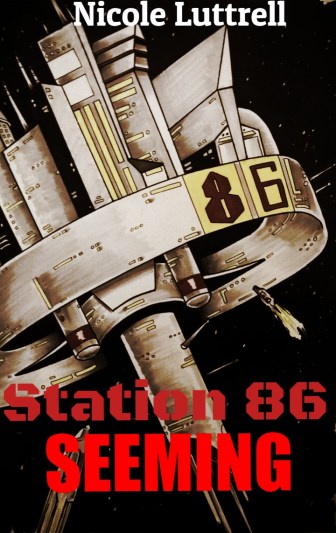
ff9a8a_d364e70623f041a199d588b5124fcc3c-mv2Station 86 is shocked when a Khloe assassin begins killing members of the all powerful council. Officer Sennett Montgomery and Councilman Godfrey Anders swear to find the assassin after Godfrey’s wife is falsely accused. But the killer, and the council itself, are not what they seem. Neither, as it turns out, is Sennett’s daughter.
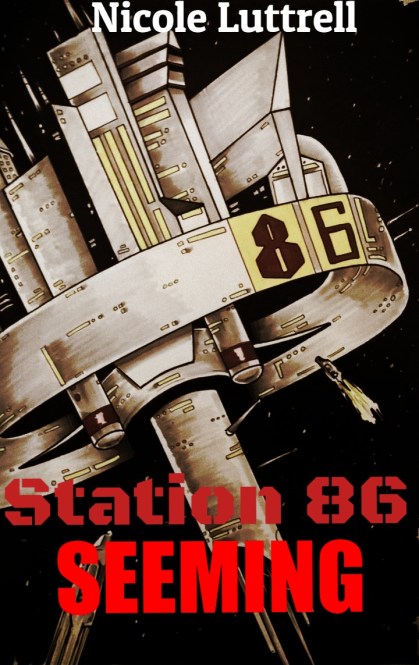
Get it free now, and enter the world of Station 86!


Banned Books Week, 2018

It’s Banned Books Week, 2018! I love this holiday probably more than any other literary holiday of the year.

More and more, censorship is an enemy that we must fight on and offline. I’m pleased to bring you a list of the top ten banned books of 2017, as collected by the ALA. Here is a link to their site, please give it a look

10. I am Jazz, by Jessica Herthel, for Gender Identity

You know, gender identity is kind of a confusing topic. I kind of want there to be a book that might help some confused teenager figure themselves out. Just saying.

9. And Tango Makes Three, by Peter Parnell and Justin Richardson, for LGBT content

There’s a lot of books on this list that were banned for LGBT content. So, I’m just going to address it once, on book number three.

8. The Hate You Give, by Angie Thomas, for drug use and profanity

I swear, we need to stop banning books because of bad language. And drug use, really? Look, I’m not for glorifying drug use, but we have got to stop shielding people from everything bad. Let me assure you that if you go ask a druggie on the street what got them started, they’re not going to answer, “Well, I picked up The Hate You Give, and it just made drugs seem so appealing. It all kind of spiraled from there.”

Drug use is a symptom. We need to stop treating the symptom and fix the actual issues.

7. To Kill a Mockingbird, by Harper Lee, for violence and racial slurs

How, in the hell, are we still banning this book in 2017? It is a classic, I was required to read it in high school. The violence and racial slurs are kind of part of the point. If you don’t understand that, maybe you shouldn’t be making decisions about what other people are reading.

6. Sex is a Funny Word, by Cory Silverberg for sex education

Sex education and safety need to be taught. We need to know how to protect ourselves and watch over our reproductive health. There’s just no reason why we shouldn’t know these things, why we shouldn’t teach our children to be safe.

5. George, by Alex Gino, for LGBT content

See number three.

4. The Kite Runner, by Khlad Hosseini, for sexual violence, and religious themes. May lead to terrorism

I haven’t read this book, but I know that if a book incites you to be sexually violent or commit acts of terrorism, you were just looking for an excuse to start with. I play a bunch of violent video games, read horror books and watch American Horror Story. I have never even hit someone. You cannot blame the media for the actions of the sick.

3. Drama, by Raina Telgemeir, for LGBT content

Let me tell you a little story. It’s one that I’ve told before, and one that I will almost surely tell again. It’s one about the importance of representation, and it’s really short.

It damn well matters!

It matters that we see people who we can relate to portrayed well in media. It mattered to me that I saw strong women like Dana Scully and Lieutenant Uhura on tv when I was a young nerd. It matters to little kids who aren’t white to see people who look like them in the media as good guys. And it matters to LGBT kids to see their demographic portrayed as well.

Representation matters. And if your argument is that being LGBT is in some way wrong, then you’re just on the wrong side of history. The same should be said for anyone who tries to remove LGBT books from a school library.

2. The Absolutely True Diary of a Part-Time Indian, by Sherman Alexie, for profanity and being sexually explicit

While I don’t know that I would give this book to a small child, we need to stop demonizing sex and making it taboo. At best it makes it more appealing, at worse it demonizes what should be a loving and intimate act between two people who care for each other.

1. Thirteen Reasons Why, by Jay Asher for suicide

Okay, for the first time ever, I have kind of a problem with this book. I might be reacting to this wrong, and anyone who has actually read this book please set me straight if I’m wrong. But I do have sort of a problem with anything that glorifies suicide. I don’t like anything that might make suicide seem like an appealing option to a confused and scared kid.

But, if I’m honest, I can say the same thing about this that I can about books dealing with drugs and violence. If reading this book made them do it, they were already going to. What we need is a secure safety net for kids in danger in our school systems, so that no kid feels hopeless or helpless. I feel like I should insert some links to some Dear Evan Hansen songs here.

So that’s it. What do you think about these books? Let us know in the comments below!

Hey, guys,  I have some great news. Seeming, as the first book of it’s ever growing series, is ff9a8a_d364e70623f041a199d588b5124fcc3c-mv2now free! Here is a link to get your copy right now and enter the world of Station 86.

Station 86 is shocked when a Khloe assassin begins killing members of the all powerful council. Officer Sennett Montgomery and Councilman Godfrey Anders swear to find the assassin after Godfrey’s wife is falsely accused. But the killer, and the council itself, are not what they seem. Neither, as it turns out, is Sennett’s daughter.

A WordPress.com Website.

Up ↑