In defense of fanfic

In March, I wrote a post about writers being self-indulgent in their writing. It was inspired, let’s say, by a post from a rather popular Booktuber who I won’t be naming. Suffice to say, I don’t watch her and only found out about the dreck she was spouting through the endlessly educational and uplifting Micky Adkins.

At the time, I mentioned that this very long video actually inspired two blog post ideas. Along with several furious rants, only heard by the people in my house who can’t escape me. I am nothing if not a woman of my word, and I am here today with part two.

Click here if you want to read part one of this conversation.

I did mention before that I am not out to shame the original booktuber. And I want to repeat this. We, as a writing community, do not need to tear each other down. I just happen to disagree vehemently with the argument that this person is making, and I want to offer a rebuttal.

Today, we’re going to talk about fanfiction and why I personally think it’s a great way to learn to write.

Fanfic is the closest thing we can get to an apprenticeship in fictional writing

Consider the apprenticeship. What does an apprentice do? They follow around their teacher, learning their style and technique. They learn the basics of a craft bit by bit, with a learned elder by their side.

When we write fan fiction, we are doing something similar. We are not coming to a blank page with nothing to fill it. We have a set world. A series of parameters. We’re not building something from scratch, but building onto something that already exists.

Through this, we start to learn the fundamentals of writing that are never taught in English classes. Character interactions, pacing, and dialogue. These are all valid skills that can be taught when writing fanfic.

Now, I will say that some skills can’t be taught this way. The biggest example of course is world-building. The world’s already been built, after all. The characters have already been created for you, unless you’re adding a character of your own creation. But there are other ways to learn world-building. And that’s another skill you can master in addition to what you’re learning by writing fanfic.

It encourages creativity

Writing fan fiction can turn a passive experience like watching a movie or reading a book into an active, creative exercise. It becomes a game.

Let’s use Lord of The Rings as an example. Because God knows there’s a metric ton of fanfiction about LOTR. So you’re watching Return of The King for, if we’re being honest, the twentieth time. And you start thinking about a character you made up to fit in this world. What are they doing in this scene? Who are they talking to? How are they fighting? Would their special skill wrap something up here, or are they completely useless right now? How are they feeling about the person who’s bleeding out right now?

These are writer questions. These are character-building questions. When you’re writing any scene, you do have to think about how every individual character is responding to the action or conversation at hand, even if they aren’t the main character. And this is a great way to sneak in a little practice during family movie night.

Sometimes you can end up writing those characters for real

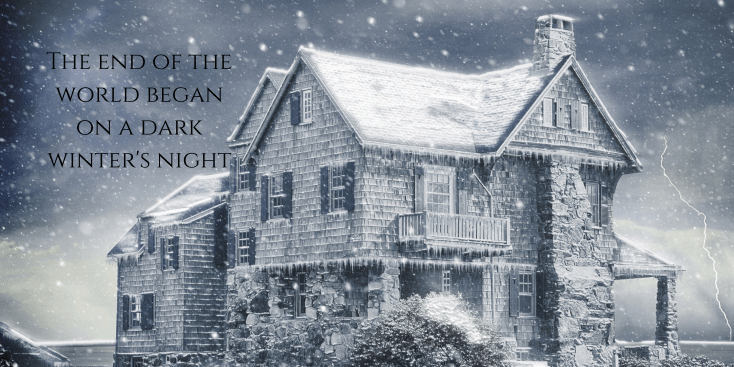
I was recently obsessed with a book called The End of The World As We Know It. It is a collection of short stories set in the world of Stephen King’s The Stand. As a writer, I’m insanely jealous that I didn’t get to participate. As a reader, I’m insanely grateful that the book exists.

You can read my full review on Weird Wyrlds.

But guess what. That’s fanfic. That’s fans of King writing their own stories in his world.

So many writers that I love have gotten to write stories in the Star Wars universe. Or the Star Trek universe. And the comic book characters! My God, the comic book characters. Every month, we see a new show, book, movie, mini-series, comic, or podcast spinning off from beloved franchises. And yes, they’re all looking for writers.

The chances of getting one of those jobs are slim, but not zero. I mean, the competition is fierce. But thousands of writers are, right now, writing fiction about characters they were huge fans of.

I wrote some truly terrible fanfic as a teenager, and it helped me learn to write better

Of course I did. You saw this coming, right? As a kid, I wrote some seriously terrible fanfic about X-Men and Sailor Moon. No, I will not be sharing it. Thank God, I was a teen before Wattpad was a thing, so all these stories were written out long form with pencil and paper. And they are now long decomposed in some landfill somewhere.

You know what? It taught me to be a better writer. It taught me the passion of sitting down and putting a story on the page. It taught me about descriptions and dialogue. I used to write some of this with a friend of mine, and we learned a whole lot by yes-anding each other. It also taught me what characters I was passionate about. What sort of characters I want to write. And yes, some of my published works were inspired by writing I did during my fanfic days.

No, I won’t tell you which ones.

But if you’ve read something I wrote and liked it, you can thank my fanfic writing. If for no other reason than that I got a lot of bad writing out of the way.

This is not the only writing we’re doing

While I was writing my X-Men fanfiction, I was also writing original stories. I know, crazy, right? This was when I was in junior high and middle school, so I actually spent a lot of time writing. On any random weekday, I might bang out an essay for English, play around with some fanfic, write a truly terrible poem about a kitten poster I had hanging up, then write a few pages in my moody gothic vampire novel. It was all bad writing, but it was writing.

And that’s the thing. Just because someone’s writing fanfic doesn’t mean that’s the only writing they’re doing. Or the only writing they’ll ever do. Justina Ireland writes a shit ton of Star Wars books, but she also writes novels purely of her own creation. And they’re fantastic! Looking down one’s nose at a person who writes fanfic is like suggesting that because someone drank a Coke, they’re going to die of dehydration. Surely they can’t also be drinking water.

It’s just fun to write

Finally, the biggest argument I’ll ever have in defense of writing is that it’s fun. Writing is fun. And it’s supposed to be fun.

To be a writer is to be passionately in love with writing. It gives us something that we can’t get anywhere else. And if writing fanfiction is fun for you, then do it!

I think we forget sometimes that not all writers are writing to be Novelists. I mean, I am. But some people just want to write as a hobby. And yes, I have made fun of that in the past. But there is honestly no shame in it.

I like drawing, painting, mixing my own teas, and crocheting. All of these things give me pleasure. They make life good. And I will never do any of them professionally. Why can’t writing be the same for someone?

So if you write fanfic, or you’ve ever written fanfic, don’t despair. It’s a valid form of writing that can teach you to be a better writer or just bring some joy to your life. Embrace it.

Paper Beats World is a labor of love. You can support us by liking this post, sharing it and commenting. You can also support us on Ko-fi.

Why On Pins and Needles Works

Launching on April 7th, On Pins and Needles by Kamden Cornell is possibly the most thorough dive into magical poppetry I’ve ever read.

I received an arc of this book from the publisher, and I am very glad I did. It was a fascinating read. If you’ve ever wanted to know more about making poppets for witchcraft or magical work, it’s a great book.

So today, let’s talk about why it works. If you’re a witch like me, I hope you add it to your TBR. If you’re writing a nonfiction book, let’s break this one down and talk about why it works.

Thorough overview

The first thing I like about On Pins and Needles is how thorough it was. Not so much in one part of poppetry, but in the practice as a whole.

The book contained a brief history of the craft. Though honestly, several books could be written just on the history alone. It talked about the many different supplies that can be used, from stuffing to scissors. It talked about the creation, the magic, the intention, and all the many ways this sort of working can be used.

This really gave a wide picture of poppet work, rather than diving down into the weeds with one specific part. Which is why this is such a good place for beginners to start.

Non judgemental explination of some dark material

This part might get a little touchy. But that’s why we’re talking about it.

Poppet work can be used for all sorts of magic. Healing, luck, love, prosperity, protection. They are so much more than the ‘evil voodoo doll’ people not in the know tend to picture.

Boy howdy, is that a shitty and racist stereotype, by the way.

However, like any magic, poppetry can be used for baneful magic. Now, I’m not going to openly admit to or discuss cursing anyone on the internet. But you’ll get no judgment from me if you choose to do so. And, you’ll get no judgment from Cornell, either. Instead, what you’ll find is a frank and open discussion of how to make a poppet for curses or baneful work, and some safety tips along the way. That was especially nice to see.

I really appreciated the lack of judgment on a subject that tends to get the ‘light and love’ crowd up in arms.

Inspiration!

Another thing I loved about On Pins and Needles was the examples of amazing creativity that can go into poppet work. Because honestly, you can use just about anything to make a poppet.

This is where craft supply hoarders like me shine! Want to make a paper doll? Go for it. Have a bunch of scrap fabric lying around? Use it! Do you like carving? Carve a doll! Got a bunch of those gems from a forgotten diamond painting? Use them to make a face on your doll!

This book had me itching to make a doll. Or, like twenty. I kept putting the book down to write out ideas. And honestly, that’s my favorite sort of nonfiction book. The sort that has me inspired to dive into the subject myself, and leaves me with a ton of new knowledge to do that with.

Real-life understanding

Finally, I want to shine a light on Cornell’s work with dolls. They make it clear through this book that they have done the work. They’ve made dolls, researched the topic, and seen results from it.

First-hand knowledge is always the best source for nonfiction work. Especially when it’s more of a how-to sort of book. And it’s clear that this author had that in spades.

Overall, I learned so much from On Pins and Needles. It was entertaining, creative, and bursting with inspiration. If you’re interested in all in poppet work, I cannot recommend it enough.

Why Year of The Mer works

I received an ARC copy of Year of The Mer by L.D Lewis. And when I read the description, I was hooked almost at once. A dark retelling of The Little Mermaid that is bloody and saphic? Yes, please. The Little Mermaid was my favorite Disney movie growing up. And, you know, bloody horror is kind of my jam.

Now that I’ve read it, I can honestly say that it surpassed even my high expectations. I feel confident comparing it to the work of Tamora Pierce. If you’ve been around here for any length of time, you know the sort of compliment that is. And yes, we need to talk about why it works.

What happens after happily ever after?

We all love a good fairy tale. But often we’re left with so many questions. Because, of course, life doesn’t end at happily ever after.

In the Disney version of Ariel, she and Prince Eric get their happily ever after. However, their lives go on after that. And I don’t know how much you know about royal marriages, but they’re not just for love. A marriage in which someone is going to inherit a throne, and in which someone else is going to abdicate their throne, has impacts for other people besides the two exchanging vows.

Especially when one of those two people is a totally different species and is considered a deity by half the population. It’s gonna make shit weird.

The fallout from this situation is where our main character, Yemaya Blackgate, finds herself. She’s the granddaughter of Ariel (Spelled Arielle in the book) and Eric, though I don’t think he’s ever mentioned by name.

Yemi’s parents spent their lives leading their country, Ixia, in war. Many of her people blame these wars on Yemi’s mother’s mer ancestry. And she has no relationship with her mer family at all. Given all that, she’s filled with rage.

The royal people actually love each other

It’s easy to see why royalty often has a reputation for not loving their family members. However, I feel like the whole Knives Out approach to family is a bit played out. (Maybe I read too much Phillipa Gregory.) So it’s wonderful in this book to see royal family members who actually love each other. Yemi misses her father; she’s scared of losing her mother. Yemi and Nova, who are engaged, love each other. There is none of the ‘I am raising you to be royalty, so I’m not going to show you any affection’ sort of bullshit. Just people who genuinely love each other, warts and all.

The story wasn’t about being gay

Our two main characters, Yemi and Nova, are gay. They are in a gay relationship. That’s not what this story is about.

Almost all of the characters are also Black. That’s also not what this story is about.

Now, a story about being gay in this very straight world is a great thing. So is a story about being Black in societies that are very, very white. But people who are gay and Black have stories that are not about being those things.

I can’t speak for the Black community, as I am very, very white. But I am part of the LGBTQ+ community. And yeah, it’s sort of exhausting that every gay character’s story tends to be about them being gay.

This was honestly a breath of fresh air. The characters simply are gay. It’s not a crucial plot point. They can just be. Just exist.

Yemi

Finally, I am thrilled with the main character, Yemi. She feels dangerous.

Yemi loves the people she loves fiercely. She wants to be a good person. She wants to take care of her people.

But she also wants to lead. Not because she thinks she is the best person for the role, but because she feels the throne is hers. That this is something that has been taken from her when a coup takes place.

This is a dangerous sort of person. Someone who believes they’re owed obedience, power, and respect. All of this means that Yemi is the protagonist, but not necessarily the good guy.

Which, of course, made her an incredibly fun character to read.

Overall, there was only one thing I didn’t like about reading Year of The Mer. It ended on a hell of a cliffhanger. And, since I read the book before it even came out, I have no idea when book two will be released!

Year of The Mer launches on April 7th. I highly suggest you preorder it right now. Then you can join me in waiting (in)patiently for the sequel.

Why Fluid Condensers sort of works

Launching on March 31st, Fluid Condensers is a nonfiction debut work from author Aerik Arkadian. It’s about a form of magic that is perhaps overlooked, but one that practitioners might realize they’re using on a regular basis.

I received an ARC copy from the publisher, Crossed Crow Books. What follows will be an honest review of what I liked about this book and what I didn’t. If you’re a witch like me, maybe you’ll want to check it out. If you’re a writer like me, you might learn something about writing a nonfiction book that people can’t put down.

(As an aside for my witchy followers, the forward for this book is from Christopher Penczak. He wrote one of my favorite witchcraft books, called City Magick. If you’re a witch like me who prefers city lights to a cabin in the woods, that book’s a must-read.)

The information is clear and understandable

Let’s start with the basics. The first reason to read a nonfiction book is usually to learn something. So the main goal for a nonfiction writer is to teach. To instruct. And in that sense, Fluid Condensers did a great job. It was incredibly informative about the topic at hand.

The topic, by the way, is the process of collecting and storing energy in a concoction that includes gold in some form. It’s alchemy, for those who don’t know.

Now, I am not an alchemist. So, this was a branch of magic I knew little to nothing about. But the information in this book was easy to understand. It was easy to follow, even from a novice’s perspective.

I learned things that I didn’t know, as a practicing witch of many years

And on this topic, I am, in fact, a novice. Even though I’ve been a practicing witch for years now, there are so many things I don’t know. Especially about the more alchemical aspects of magic making.

And this, in and of itself, is great. As I get older, it’s more and more rare to find something I know nothing about, literally.

This is something that, if you want to write a nonfiction book, you should strive for. Which I know can be difficult. There’s nothing new under the sun. But finding a niche topic that you’re knowledgeable about is a great thing. Not just for you, but for your readers as well.

We all want to learn something new.

This might not be the sort of book for you

All that being said, I didn’t love this book.

That’s largely on me. Witchcraft is a large tent, with so many different people interested in so many different branches and disciplines. And we all have our own fascinations.

I’m not, as I mentioned, an alchemist. I’m more of a ‘talks to trees, has tea with her ancestors, draws sigils on everything, lights too many candles, and makes friends with the Hat Man’ sort of witch. This is not that sort of witchcraft. It’s the sort that might be seen as more chemistry than charms. And that is some people’s catnip. Just not mine. So if you’re considering reading this book, keep that in mind.

This is also a good thing to remember for writers. Some people, even with the best of intentions, are not going to like your book. And it’s not necessarily because of anything you’ve done wrong. I could write the most fascinating book about the history of zombie fiction in Western PA, and if you aren’t interested in zombies, you aren’t going to give a shit about my book. Don’t take it personally.

It was rather dull

That being said, this wasn’t the most riveting book I’ve ever read. It was actually rather dull.

This, unfortunately, is on the part of the writer. This was not a provocatively written book. There was nothing in the word usage or topic that really caught my attention. It wasn’t overly engaging.

The writing was charming, don’t get me wrong. But, um, not at first. The writing at first was actually quite dry and dull.

And that’s a shame! Because as you get further into the book, Arkadian’s charm shines through. He is clearly a huge nerd. He is fascinated by the process of alchemy. He goes to music festivals and feels inspired to make alchemical concoctions that grab the amazing feelings that sort of events inspire.

Where was that inspired writing in the first few chapters? Why did this intro need to be so static, so devoid of personality?

Look, lots of people find alchemy boring. As far as magic is concerned, it’s rather a dull topic. What sells a nonfiction book about a less-than-riveting topic is the personality of the person who feels passionate about it. So a writer needs to sell us that personality right out of the gate. On the very first page, I need to know why this writer is so passionate about this specific topic.

The organization was poor, and that led to a rough read

That brings me to the biggest issue I had with this book. The organization was not great.

There are some interesting chapters in this book. I, personally, was fascinated by the history of gold. That was the part of the book that I ate up. It should have been earlier in the book. I would have been more invested.

A nonfiction book is not an obligatory read. We’re not in school anymore; nothing should feel like required reading. And, as people, we are first and foremost interested in people. So starting with the personality of the author is a good way to hook a reader. Then, explaining why the topic at hand is important to the author.

For instance, if I were writing a book about zombies in Western PA, I would start by explaining my love of George Romero. I would explain that he and I share a passion for Pittsburgh, even though neither of us was born here. This ties me emotionally to the subject at hand.

There was no sort of emotional connection in this book. And perhaps it’s just me, but that sort of connection hooks me. It makes everything else come alive.

So, in short, if you’re writing nonfiction, put more of yourself into the book. If by chance the author reads this, please don’t give up. Write more, write personally.

And if you’re interested in alchemy, check out Fluid Condensers. You’ll certainly learn a lot.

mjnnnnnnnnnnnnnnnnnnLaunching on March 31st, Fluid Condensers is a nonfiction debut work from author Aerik Arkadian. It’s about a form of magic that is perhaps overlooked, but one that practitioners might realize they’re using on a regular basis.

I received an ARC copy from the publisher, Crossed Crow Books. What follows will be an honest review of what I liked about this book and what I didn’t. If you’re a witch like me, maybe you’ll want to check it out. If you’re a writer like me, you might learn something about writing a nonfiction book that people can’t put down.

(As an aside for my witchy followers, the forward for this book is from Christopher Penczak. He wrote one of my favorite witchcraft books, called City Magick. If you’re a witch like me who prefers city lights to a cabin in the woods, that book’s a must-read.)

The information is clear and understandable

Let’s start with the basics. The first reason to read a nonfiction book is usually to learn something. So the main goal for a nonfiction writer is to teach. To instruct. And in that sense, Fluid Condensers did a great job. It was incredibly informative about the topic at hand.

The topic, by the way, is the process of collecting and storing energy in a concoction that includes gold in some form. It’s alchemy, for those who don’t know.

Now, I am not an alchemist. So, this was a branch of magic I knew little to nothing about. But the information in this book was easy to understand. It was easy to follow, even from a novice’s perspective.

I learned things that I didn’t know, as a practicing witch of many years

And on this topic, I am, in fact, a novice. Even though I’ve been a practicing witch for years now, there are so many things I don’t know. Especially about the more alchemical aspects of magic making.

And this, in and of itself, is great. As I get older, it’s more and more rare to find something I know nothing about, literally.

This is something that, if you want to write a nonfiction book, you should strive for. Which I know can be difficult. There’s nothing new under the sun. But finding a niche topic that you’re knowledgeable about is a great thing. Not just for you, but for your readers as well.

We all want to learn something new.

This might not be the sort of book for you

All that being said, I didn’t love this book.

That’s largely on me. Witchcraft is a large tent, with so many different people interested in so many different branches and disciplines. And we all have our own fascinations.

I’m not, as I mentioned, an alchemist. I’m more of a ‘talks to trees, has tea with her ancestors, draws sigils on everything, lights too many candles, and makes friends with the Hat Man’ sort of witch. This is not that sort of witchcraft. It’s the sort that might be seen as more chemistry than charms. And that is some people’s catnip. Just not mine. So if you’re considering reading this book, keep that in mind.

This is also a good thing to remember for writers. Some people, even with the best of intentions, are not going to like your book. And it’s not necessarily because of anything you’ve done wrong. I could write the most fascinating book about the history of zombie fiction in Western PA, and if you aren’t interested in zombies, you aren’t going to give a shit about my book. Don’t take it personally.

It was rather dull

That being said, this wasn’t the most riveting book I’ve ever read. It was actually rather dull.

This, unfortunately, is on the part of the writer. This was not a provocatively written book. There was nothing in the word usage or topic that really caught my attention. It wasn’t overly engaging.

The writing was charming, don’t get me wrong. But, um, not at first. The writing at first was actually quite dry and dull.

And that’s a shame! Because as you get further into the book, Arkadian’s charm shines through. He is clearly a huge nerd. He is fascinated by the process of alchemy. He goes to music festivals and feels inspired to make alchemical concoctions that grab the amazing feelings that sort of events inspire.

Where was that inspired writing in the first few chapters? Why did this intro need to be so static, so devoid of personality?

Look, lots of people find alchemy boring. As far as magic is concerned, it’s rather a dull topic. What sells a nonfiction book about a less-than-riveting topic is the personality of the person who feels passionate about it. So a writer needs to sell us that personality right out of the gate. On the very first page, I need to know why this writer is so passionate about this specific topic.

The organization was poor, and that led to a rough read

That brings me to the biggest issue I had with this book. The organization was not great.

There are some interesting chapters in this book. I, personally, was fascinated by the history of gold. That was the part of the book that I ate up. It should have been earlier in the book. I would have been more invested.

A nonfiction book is not an obligatory read. We’re not in school anymore; nothing should feel like required reading. And, as people, we are first and foremost interested in people. So starting with the personality of the author is a good way to hook a reader. Then, explaining why the topic at hand is important to the author.

For instance, if I were writing a book about zombies in Western PA, I would start by explaining my love of George Romero. I would explain that he and I share a passion for Pittsburgh, even though neither of us was born here. This ties me emotionally to the subject at hand.

There was no sort of emotional connection in this book. And perhaps it’s just me, but that sort of connection hooks me. It makes everything else come alive.

So, in short, if you’re writing nonfiction, put more of yourself into the book. If by chance the author reads this, please don’t give up. Write more, write personally.

And if you’re interested in alchemy, check out Fluid Condensers. You’ll certainly learn a lot.

I launched a new website! If you like horror in all forms, check out Weird Wyrlds.

Should writers be self-indulgent?

I was watching Micky Adkins a few weeks ago. I spend maybe too much time watching YouTube, but there we are. Micky’s great, you should check her out.

Of course, when I saw the title of this post, I had to watch it right away. (And by right away, I mean over the course of several days, because it was a three-hour-long video.) The title was, This BookTuber’s Vendetta Against Fanfiction Is Actually Pretty Sinister.

This video pissed me off so much that it actually inspired two different posts from me. Part two is coming soon. At some point, not sure when.

Look, I had Covid this week. Bear with me, everyone.

Now, Micky’s clear in this video that she is not a writer. So her opinions about this video are from a therapist’s perspective. But that’s okay, Micky. I am a writer. And I got you.

If three hours is too long a video for you, let me summarize it. It’s about another YouTube video from a channel I will not name, by a woman I will only call Hillary. Hillary doesn’t like fanfiction for many reasons. But the main reason for her hate seems to be that she finds fanfic to be self-indulgent. And Hillary thinks that self-indulgence is bad.

But is it? Let’s talk about it.

The dreaded Self-Insert

One of the biggest bugs up Hillary’s ass seems to be writers putting self-insert characters in their stories. You know, the sort of character that’s just clearly based on the author.

And that’s super cringy, right? Like, imagine if an author with a history of substance abuse issues and an absent father, who probably worried about being a good father, and lived in Maine, and was a teacher, wrote a lot of books about men with substance abuse issues who had terrible fathers, and lived in Maine, and taught. (Steven King)

Or like if a writer was a closeted lesbian who wanted to be a man her whole life, so she wrote about a closeted lesbian who wanted to be a man her whole life. (Louisa May Alcott)

Or if a writer got really into witchcraft and wrote a character who was really into witchcraft. (Me)

The point is that there’s actually nothing wrong with writing self-insert characters. I would argue that every character we write will have a little of ourselves in it. Even if we don’t mean to. We do it on purpose if we’re writing honestly. Our characters will reach for our favorite drinks. They’ll use our verbal idioms. We might even write them to look like us. That’s fine. So long as your characters are still as well-rounded as we can make these bags of bones, then go for it.

Oh no! I wrote about this super niche thing I like!

This is going to sound bitchy, but stick with me. We are not the precious little manic pixi individuals we think we are. Yes, every person is unique. Yes, every person is valuable as an individual and contains a whole universe of experiences that no one else can fully understand.

But we’re not that different. This is something that the internet has made clear to most of us. Any experience you’ve had, any joy or revolution, someone else has felt that too.

This means that if you write something that you really like, but you think it’s too niche for the rest of the world, you’re probably wrong. There’s probably someone out there, a lot of someones, who would really love to read your weird niche thing. So write about it, even if it seems self-indulgent.

I made art! Wait, I did it wrong?

Writing is art. We are artists, creating art. We are not producing a product.

There are no rules about art. There are techniques. There are widely accepted beliefs. And, I mean, of course, we have grammar rules. And spelling does count. But other than that, there are no rules.

You can write whatever you want. Your work doesn’t have to be super disciplined. It doesn’t have to follow traditional story structure. It doesn’t have to follow any agreed-upon structure. It can.

Art changes and evolves. What was considered standard a decade ago is passe now. And we as artists are allowed to shape how those changes come about by experimenting. Some might consider this part of our responsibility.

I’m a fan of what I wrote!

I know I’ve mentioned this before, but this seems like a good time to bring it up again. Writing a book takes so much time and work and passion and time and dedication and time. You have to love not just writing, but the writing that you specifically are doing. You have to be your story’s first and biggest fan. Because that love and devotion will get you through the days when it feels like you just can’t face the page. You just can’t take another round of editing.

This fandom will carry you through more than just the creation process if you let it. And that’s good, because you are going to have to champion your work to the world. You are going to have to be its biggest advocate. That’s easier if you, you know, like your book.

Wait, I’m actually a good writer?

So, what if you wrote something that’s super self-indulgent, but it turns out that it is, in fact, not good?

Maybe you wrote a really great sex scene, but it doesn’t really fit in your story.

Maybe you set a politician on fire in effigy, but that doesn’t make sense for your character to have done that.

Maybe you wrote this amazing description of the lush, gorgeous forest your character finds themselves in. Maybe you wrote three pages about it. In a row.

As you’re revising and editing your work, you’re going to work some of this stuff out for yourself. The longer you write, the more you edit your own work, the more you’ll see these things. Beta readers will also help you catch these moments.

Sometimes we have to kill our darlings. Sometimes we have to take out the things that don’t work for our story. Or kill off characters we’d rather live long lives.

Part of learning the craft of writing is learning what works and what doesn’t work. You know when it doesn’t work. You read it out loud, and it hurts your ears like an off-key melody. Or no matter how hard you try to make the storyline function, it won’t. Or you hate the character you’re supposed to love. Even if it hurts, you’ll know what needs to go.

These are all considerations for later drafts, though. When you’re rough-drafting, don’t worry about it. Throw everything in. Figure out what works later. Because, like you can’t see the whole painting in a brush stroke, you can’t tell if your self-indulgent scene works until the whole story is finished.

So, to sum it up, yes, your writing should be self-indulgent. You should write your story exactly how you want to write it. Give it the happiest ending. Write in that person you hate and evicerate them. Write smut. Craft a sappy love story that heals your specific wound. Skin a character.

Now look. I usually shy away from insulting other authors. And I’m not directly insulting Hillary. Even though sis went out of her way to insult a whole bunch of writers.

Writers who, as far as I can tell, are more prolific than she is. Whose work people like to read.

I’m not saying this to shame her or dunk on her. I am saying this because, for some reason I do not understand, she seems to be popular on YouTube. And I worry that some young writer might stumble upon her bullshit and feel bad about their writing. And if that’s you, let me say this with my whole chest.

Every single thing I have ever written has been very self-indulgent. I wrote Woven because I loved Tamora Pierce and wanted to write about thread crafts in magic. I wrote Quiet Apocalypse because I love haunted house stories and wanted to write about a modern witch. I’ve written and published nine books. I will, God willing, keep right on writing and publishing.

Hillary has published one. Do with that information what you will. And maybe, going forward, she should keep her eyes on her own work.

If you love what we do here and want to support Paper Beats World, please like and share this post. You can also support us financially on Ko-fi.

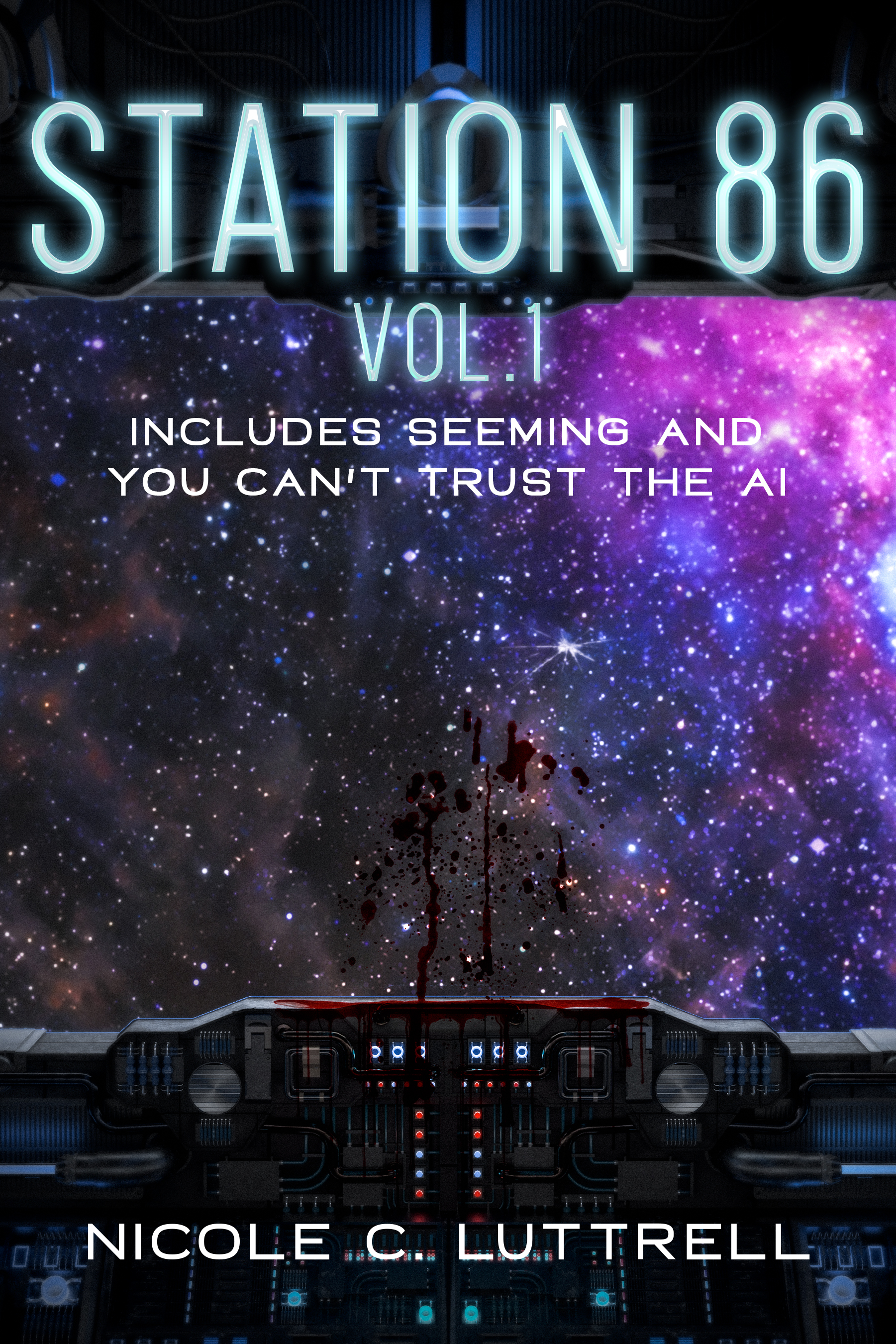
Want a free book? Check out Seeming, book one of Station 86.

Why The Witch’s Name Works

Recently, I received an ARC (Advanced reader copy) of the revised The Witch’s Name, by Storm Faerywolf. Originally published in March of 2022, the revised edition is launching on March 10th.

A name is something that we writers will think a lot about when it comes to our characters. But what about our own name? It’s not something we’re given a lot of say over. What if we got to choose our own?

Now, I understand that a lot of you are not here for witchcraft content. But stick with me. For one thing, The Witch’s Name is a great example of a well-written nonfiction book. But it’s also a topic that I think more people should consider, whether your life is mundane or magical.

Let’s discuss.

Passion for the subject

Let’s start with Storm’s writing voice. It’s clear in reading this book that the topic of chosen names is one that is of great importance to him.

Which makes sense. It’s an important subject to me as well. It feels like it should be an important subject for a lot of people.

If you’re going to write a work of nonfiction, it needs to be about something that really matters to you. Something that you really, really care about.

Writing a book takes a long time. We know this. And in order to come to the page every day, you need passion. You need discipline, sure, but discipline and passion work best when they work together.

Of course, it isn’t just about getting a book done. Passion shines through in writing. It makes any subject more interesting if the person telling you about it is passionate.

Research heavy

The Witch’s Name is a well-researched book. There is so much information in here about the history of names from different cultures. About the many different ways a name might change according to different faiths and disciplines. Then, of course, there’s the in-depth information about many famous witchy names.

(I’d add to this information that Mormons are given new names when they’re married in the Temple. But it’s very impersonal and chosen at random.)

Let me tell you, I love to see a witchcraft book that is so amazingly researched! I love to see fellow practitioners putting in the work!

Part of being a witch, for many of us, is indulging in a lifetime of study and learning. We need to understand the why of something. The when, the how.

I was fascinated by the different ways people may come to choose their own name or change their name. I was also fascinated by the many different ways we might come to find our own names. I was fascinated by the history of famous names. I learned so much. For instance, did you know there was a Roman goddess of door hinges? And that there were three total gods or goddesses of the doorway, making a doorwat trinity? That was so cool to learn!

Accessible tools!

It should surprise no one that I read quite a few witchcraft books. I also read magazines and blogs, and listen to podcasts. And one thing bothers me more than anything else when I’m consuming witchcraft content.

Here’s a hint: it’s the same thing that irritates me when I’m looking for recipes online.

I hate when a spell, ritual, or recipe calls for an ingredient or tool that I do not have and don’t know how to get. And so often this ingredient is just tossed out like everyone’s got it in the back of their spice rack.

“Here’s a quick and easy spell/recipe that you can do right now, with things you probably already have at home. Just grab some dill, a peacock feather, some ground flaxseed, distilled water from the Dead Sea, shards of non-lab-grown diamonds, the blood of a three-hundred-year-old man, and a large mixing bowl.”

There is nothing like this in The Witch’s Name. Every single ritual or spell requires simple things that are easy to come by. Candles of various colors. Simple rocks. A journal and a pen. And I am here for accessible tools!

Spicy therapy

Now, here’s where we get to the real reason I loved The Witch’s Name.

A lot of witchcraft is really just spicy therapy. Actually, a lot of the best witchcraft is spicy therapy.

Do I believe that witchcraft can influence the universe and tilt things in our favor? Yes. Do I also believe that the most powerful magic you’ll ever work is the magic you do on yourself? For sure.

The Wich’s Name is about so much more than choosing a name. It is about figuring out who you are. Or at least starting on the path to figuring out who you are, because that can be a lifelong journey.

Who are you? Not what do you do for a living. Not what are your hobbies or passions. Not who are you in relation to other people. Not what religion you are. Not what nationality you are.

Who are you?

This is a question I think we should all seek an answer to. Because everything else can be taken away. There may be a time in my life when I am not a wife, roommate, co worker, American. There might even be a day when I am not a Christian, writer or witch. And if all of those external descriptions were striped from me, who would I be then? At thirty-nine, I don’t know. But if you’d asked me before I read this book, I would have told you I did.

Why are we revising this so fast?

The Witch’s Name was fantastic. I really only had one concern.

Why did it get revised so fast?

The original text came out in 2022. That’s not that long ago.

I didn’t read the original version. So if you already have that book, I don’t know whether you should get this one or not. Personally, I always like to have the latest versions.

But if you didn’t read the original, I do recommend this one with my whole chest. I learned so much reading The Witch’s Name. And as I practice the rituals again, I think I’ll learn even more.

Now, I’m sure that as we close this out, you probably have one remaining question for me. Do I have a witch name? I do. And I highly encourage you to seek out your own. It’s incredibly empowering.

No, I’ll not be sharing mine. Names have power, after all.

If you want your own copy of The Witch’s Name, click here. This is not an affiliate link, nor was I paid for this review. I just had an arc thoughtfully gifted to me.

If you love what we do here and want to support Paper Beats World, please like and share this post. You can also support us financially on Ko-fi.

Want to start of the year with a free book? Check out Seeming, book one of Station 86.

I participated in the Great Witch Lock In

Late last year, you might have seen #Lockin all over social media. Or, maybe I just spend way too much time on social media and notice these things.

The premise of the lock-in was simple. Gen Z decided to spend the last four months of 2025 locking in on a specific goal. That goal was different for every person. What the goal was wasn’t important. What was important was the focus of the person reaching for that goal.

After seeing the hashtag all over, my interest was more than piqued. And then, as though someone was looking out for me, one of my favorite witchy people on social media answered my questions before I even asked them.

Aunt Carla.

If you’re witchy or artsy and you don’t know her, get to know her now. You will not regret it.

After some careful consideration (not really), I decided to lock in on my writing. And let me tell you, it was amazing. I wrote more than I’ve written all year. I wrote microfiction and poetry to share with you all on social media. I wrote almost every day, which has been hard for me while caring for the Darling Husband.

But it was so much more than that! It turns out that sometimes when the Universe sees you putting in the work, it rewards you. During my lock in, I got to give a speech about haunted houses at my local library. I found out about a mini SFWA convention and attended it. And someone tipped me a lot more than usual on Ko-Fi.

So today, let me tell you about some of the tools from the lock-in and why they helped me so much.

Starting the day with ritual

One of the first things you do in the Witch Lock In is to create a ritual to start your day. Mine was simple. I lit a candle, leafed through my notebook, and wrote down one to three things I was going to do that day to work towards my goal.

That little bit of attention and magic first thing in the morning helped me stay on track. Especially on days that felt too busy for me to breathe, I realized that I could do just a little. That was always better than nothing at all.

Collecting inspiration

One of the very first things you do in the Witch Lock In is create an Uncommonplace Notebook.

I loved this notebook. It was a place to collect and craft inspiration for my writing. I wrote song lyrics and quotes that made me feel good about writing and working towards my goals. I pasted in pictures that made me happy. I kept notes on messages I got during meditations. And every time I flipped through it, I couldn’t help but be inspired.

Problem solving

This last year, while I’ve been helping the Darling Husband heal from his stroke, it’s been way to easy to put my writing on the back burner. To throw up my hands and say, oh well. Another day I didn’t get any writing in. Guess this is just my life now.

But during the Lock In, I was doing something I used to know how to do. I was problem-solving.

Mind you, I always consider problem-solving better than ‘toughing it out’. Sure, I could write more if I forced myself to run on less sleep, or wrote when I felt like shit. But that’s not going to be my best writing, and it sure as hell isn’t going to be sustainable long term.

What works better is to solve problems. Solve the things that are keeping you from writing.

Is an hour too overwhelming? Write for half an hour, or just 15 minutes. Too tired after work? Write before. That sort of thing.

Productivity is morally neutral. If we can separate ourselves from guilt and focus instead on solving realistic problems, we can get a lot more done.

Side quests!

Focusing on one goal for four months was great. But it turns out that it’s a lot more productive to find other goals that A, bring you joy, and B, feed your main goal.

For me, that was finding whimsy and joy in life. Experiencing life in a way that brings me joy is, to put it mildly, fucking hard right now. But it can be done, and it feeds my writing.

This is something I hadn’t considered before. I tended to feel like if I was going to focus on one goal, I was to focus on just that goal. But no part of our life is in a bubble. Our job impacts our home life, impacts our craft, impacts our world view. So finding side quests that might depend on another area of your life will help prop up your lock-in goal.

So simple, but it was a game-changer for me.

So, why am I telling you all of this? It was last year, right? The time for locking in is over.

Well, here’s the nice thing about personal growth. It’s a personal journey that you can start at any time. Yes, lots of people enjoyed the community aspect of the Great Witch Lock in. But, I didn’t. I loved the prompts and Aunt Carla’s videos. But I worked this lock in alone. And I did great things I didn’t think I could do. I put my writing first and amazing things happened.

So you can start your own lock in right now, today. No prerequisites required. Just a determination to get one part of your life locked in.

If you love what we do here and want to support Paper Beats World, please like and share this post. You can also support us financially on Ko-fi.

Want to start of the year with a free book? Check out Seeming, book one of Station 86.

Fallow Years

I’m here! I’m alive!

I’d understand if you were a bit concerned. Normally, I’m nothing if not consistent. Since 2014, I’ve rarely, if ever missed a week posting without warning. Let alone two weeks in a row.

January was tough. It was tough for everyone. I’m not going to belabor that.

Today, I want to talk about something I’ve alluded to a few times so far. Something that I have some real deep feelings about. Something that maybe a lot of other writers have gone through, or will go through.

I don’t have a book coming out this year. Not a new book, not a relaunch. Nothing is coming out this year. And honestly, I don’t know when my next book will come out.

Right now I have three books on my desk. I have one book that’s on its second draft, but I’m pretty sure the whole thing needs rewriting at this point. The other two books are in rough draft phase. And by that, I mean that one book has fewer than two thousand words written, and the other is a page in my sketchbook that’s mostly just vibes.

As always, I’m of two minds about this. The artist part of me is perfectly happy. I’m listening to my muses. I’m giving myself the time and space to write something great. I’m enjoying the process. I’m creating something I can be really proud of, no matter how long it takes.

The self-loving part of myself is also happy with this. I’m leaning into a caretaker season in my life. The Darling Husband is still healing from his stroke, so a lot of my time and energy is spent on caring for the two of us.

Writing is still a big part of my day. It always will be, God willing. But I have other commitments.

All that being said, the ambitious part of me is losing her fucking mind. And she’s got a lot to say.

Publish or perish! People are going to forget about you! People are going to move on and stop caring! Put something new and fresh in front of your audience right now, or they’re going to jump ship.

I know this isn’t true. I know that fans will wait for the ending of a story. God knows I do.

My inner critic is never louder than my ambition monster. In some ways, that’s good. I don’t have a lot of fear in hitting publish. In other ways, it’s terrible. I have a ticking clock, insisting that I publish something, even if it isn’t something I’m totally proud of.

All that being said, how I feel about this situation doesn’t really matter. It’s still the situation I find myself in. So, what am I going to do about it?

Well, for starters, I’m writing. The only way out is through, after all. These fallow years won’t end until I, you know, finish a book. So that’s my main focus. By the end of 2026, I want to have finished two rough drafts, and possibly one second draft.

I’m also going to try to post more microfiction on Instagram. I tried to post something every day for a year, and failed. But I’m going to try again soon. Microfiction and poetry are great ways to sneak in a little bit of creativity, even on the busiest days. And I like putting them together in an aesthetically appealing way. So, I’m going to try to post something every day for 365 days. Don’t know yet when that’s starting, but look for it soon.

I’m focusing on promoting the books I already have out. And there are quite a few of those. Station 86, Woven, Quiet Apocalypse. I have work out there, guys. And if you haven’t read it, it’s new to you.

Finally, I’m writing some short stories set in the Station 86 world. That way, fans have something new for now, while waiting for the grand finale.

I don’t know how well any of this will work. I’ve published or republished something almost every year since Broken Patterns came out. So, I’ve literally never done this before.

If you’ve experienced this, I’d love some advice. Please drop it in the comments below.

For those of you who are fans of my books, and not just my yapping about books, I want to let you know what I’m working on. There are more books coming, I promise!

First, of course, is the final Station 86 book. I have written so many rough drafts that didn’t work for this book. That’s one of the reasons I don’t have anything to put out right now. It’s slow. I don’t think the story is ready yet. But when it’s done, I want it to be the best book I’ve ever written. Sennett and Godfrey deserve that.

The other book, and the one I’m working on right now, is a little different.

Those of you who’ve been around a while know that I used to write for a horror site called Haunted MTL. I did reviews and sometimes wrote short stories. I also wrote a horror sci-fi podcast called AA. Last year, after writing and producing two seasons, Haunted MTL shut down. I was heartbroken for many reasons, not the least of which was that it meant there would never be another season of AA. I just don’t have the time or resources to put out that sort of thing on my own.

But the last season left so many questions unanswered! And I want to answer them, you guys. So, I’m doing the only thing I know how to do. I’m making a novelization of AA.

It’s probably going to have a different title. Can you imagine trying to search for that at Barnes & Noble? But yes, all questions will be answered. If you were a fan of AA and have some burning questions in mind, please feel free to drop them in the comments.

That’s it for today. I promise to be around more consistently and have lots of good things planned. Remember that art gets us through our darkest times, and we can all make art. See you next week.

Why Stranger Things Works

Are you sick of hearing about Stranger Things yet? With the finale still fresh in every fan’s mind and plastered all over the internet, I suppose this post was inevitable.

But there’s good reason to talk about Stranger Things. It’s one of the most popular shows of the last decade, and that’s about how long it took for the damned thing to come out. So as writers, we should pick it apart and talk about why it works as well as it does.

Before we begin, I’d like to point out that a lot of good can be said about the acting, the effects, and the overall morality that went into making Stranger Things. I’m not going to be talking about those things. Not because I don’t like them, but because gushing over practical effects doesn’t really help a writer, you know, write.

It’s okay to take your time

As I’ve already mentioned, and so has everyone else, it took forever for these seasons to come out. Literally nine years have come and gone from the first season to the last. It’s been long enough that one of the ‘child’ characters on the show has become a parent. And while fans complained, that didn’t stop anyone from watching.

I’ve mentioned this before, but I feel like it bears repeating. Especially since it’s something that I’m struggling with right now. Sometimes your writing is going to take a while. Sometimes you need time and space to write your best work. And a ticking clock of anxiety in your head isn’t going to do anyone any good.

I get the fear, though, when you’re not putting out books regularly. There’s always a fear of becoming irrelevant. But when a story is good, fans remember. Trust me, if Limetown season three dropped, I’d be right there. I still check for it sometimes.

Good writing takes time. Don’t beat yourself up for that. Give yourself the time you need to create your best work.

The characters grew naturally

Stranger Things was a masterclass in natural character progression. Steve went from being an angry, popular, pretty boy to a man who loves kids and wants to help them grow. Will went from being a scared kid to a damned superhero. Lucas went from being pretty mad at everyone to the bravest and most loyal friend anyone could ever ask for. And Dustin, well, Dustin got angry and started looking for fights.

These were all slow, natural progressions that were personal to each character. They made sense for each person and wouldn’t have made sense if swapped out for another character.

Dustin, by the way, had the most interesting arc in the last season. This brings up a point that is related, though slightly different. It’s okay for your character’s story to arch towards bad things. It’s okay for your character to be angry. Or over this whole save-the-world thing. Or unhealthy coping mechanisms. Basically, just because your character changes doesn’t mean they have to change for the better.

Though I do think his character is perfect by the end.

Everyone had a moment to shine

Stranger Things is a great example of an ensemble cast. There really is no main character. You could argue that maybe El is the main character. But then, maybe it’s Will. But it might also be Mike or Dustin.

There are a lot of options, because every character is acting like they are the main character of their own story.

Even better, every character is treated like the main character of their own story. Everyone has their own arc, their own goals. And while this can sometimes make things hard to keep track of, it also makes for a richer, more realistic story.

Multiple storylines help build suspense

Early in the season, there’s a scene in which something terrible happens to Dustin. And then, while we’re still not sure if he’s making it out of the graveyard alive, we cut to another scene. Another character is in mortal peril.

In fact, it’s a while before we come back to Dustin. And whether the scene in front of us was tense, thrilling, or just important to character development, there was always a layer of tension. Because what the hell was happening with Dustin?

This is a simple but incredibly effective way to have an audience on the edge of their seat.

They didn’t do anything unique. They just did it with heart

One complaint I’ve seen about Stranger Things is that it doesn’t do anything groundbreaking. Some don’t even know why it’s so popular. After all, everything they do has been done before. Mostly by Stephen King.

And while that’s true, I think the critics are missing something. There is so much heart in this show.

There’s so much love for the horror genre. Fans like myself can see the constant references honoring horror classics.

There’s so much love for the 80’s, for some reason. Likely pleasant memories of childhood washed in browns and hand-crocheted afghans.

There’s so much love for the story. The Duffer brothers even brought in their own teacher from childhood in to play Holly’s teacher.

Passion projects show. There’s no hiding it. Which is why it’s so important to write the story you’re passionate about, not what you think will sell.

A healing ending

Finally, let’s talk about the ending. Because it’s been quite contentious.

Some people say that El died. That the story of her finding a place to live in peace with two waterfalls was just a fantasy of Mike’s. That all of the happy endings are just made up.

This seems like a good time to remind everyone that this whole story is, in fact, made up. This isn’t a documentary. So this happy enough ending is just a clever way for the story to end. It’s a clever framework. A good way to show where everyone ends up without belaboring the point too much.

And yes, I do think the ending was happy enough. Sadly, I don’t think the story works if El gets to stay with her friends in Hawkins. I don’t think it makes sense within the rules set up by the story so far. So the ending wasn’t perfect, but it made sense. And sometimes, even in fiction, happiness has to compromise with the most sensible option.

Halfway happy.

So now I want to know what you think. Was the ending of Stranger Things worth the wait? Or was it all wrong? Let us know in the comments.

If you love what we do here and want to support Paper Beats World, please like and share this post. You can also support us financially on Ko-fi.

Want to start of the year with a free book? Check out Seeming, book one of Station 86.

Why House of Quiet Works

Released in September of this year, House of Quiet is the latest novel by Kiersten White. This is the same author who brought us Mister Magic, Lucy Undying, The Dark Decent of Elizabeth Frankenstein, and Hide. Which is to say, the author of some of the best books I’ve read in the past few years.

House of Quiet is about a young woman named Birdie. She’s spent the last several years trying to find her little sister Magpie, who vanished after undergoing the mysterious Procedure. Birdie poses as a maid to get into the mysterious house of quiet. But what she finds there is a group of children who need to be rescued.

Today, we’re going to break it down and see why it works. Because there’s a lot that can be learned from this wonderfully dark, sweet tale.

Just jump in

The story starts in the middle of things. It starts with a mysterious woman wandering around the House of Quiet with a candle, bemoaning how loud it was.

We then jump to Birdie, heading to the house of quiet, thinking of all of the shady things she had to do to get there.

As we follow along, we only get an idea of the world she lives in and what she’s doing. We know that she’s grown up in crippling poverty. We know that she’s never speaking to her parents again. And that’s about it.

But that’s okay, because we’re going up to the house. We’re meeting the other new maids. We’re being drugged with tea. There is stuff going on, and there will be time to explain later. The important thing is that we’re not slowing down the start of our story. We are jumping right in.

Don’t over-explain

I spent a lot of this book trying to figure out what in the hell was going on. I wanted to know what happened to Magpie. I wanted to know what the procedure was. I wanted to know what had happened to Birdie’s friends. I wanted to know why Minnow was acting so strange.

And never once was any of this simply out and out explained.

No, the story was moving too fast for that sort of thing.

This was infuriating, but in a good way. Because everything is answered, eventually. It’s just that we have to piece things together as we go. Or, we find out as the characters do.

House of Quiet brought the ‘show don’t tell’ rule almost to its breaking point, but not quite. At no point did I feel so lost I thought I’d never catch up. But it wasn’t until near the end that I really felt like I knew what was happening.

This is a hard line to walk, giving just enough information for the reader to barely understand. But, I think the easiest way to do this is to have faith in your reader. Don’t feel like you’ve got to spell everything out for them. Leave some spaces for them to fill in the blanks themselves.

Anything can be used to world build

One of the most charming things about House of Quiet was the naming structure of the characters. People raised in poverty have animal names like Minnow, Magpie, and Birdie. People from the upper class have names like River or Forest.

This is a super quick and efficient way to give us information about a character with the fewest words possible. We know the character’s name, and we know what class the character is from. And in a book that is all about class warfare, that’s vital information.

This is a great example of using every element you can to world-build. Names, clothes, jewelry. Think about how all of these things impact our real world. And yes, you should be using any of these to show your world, rather than telling us about it.

Now, all this being said, this book wasn’t perfect. My biggest complaint, I think, is the relationship between the characters. They were, in my opinion, a little too sweet. They came together too quickly. They were too kind to each other. But, of course, this is a book for young adults. So maybe that’s why.

This was not enough to ruin the story for me. House of Quiet was a fun, heartwarming tale, and I enjoyed it greatly. If you haven’t read it yet, do it today.

Paper Beats World is a labor of love. If you love what I do here, please consider liking and sharing this post and leaving a comment. You can also support me financially on Ko-fi.

And while you’re there, you can pick up a copy of my Novel Planner.

Writing a novel is a journey! Here is your roadmap.
The Novel Planner takes you through four weeks of planning to help you successfully write a novel. Includes twelve pages to plan your time, your team and your life.
Also included are some useful pages to keep track of your wip, like a map page and an injury tracking chart.

A WordPress.com Website.

Up ↑