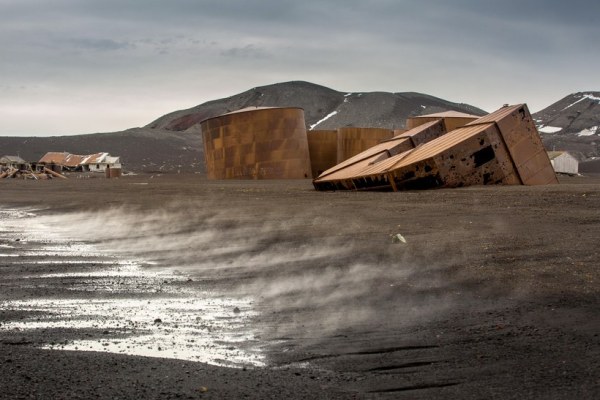
Every month Solstice Publishing hosts a Twitter storytelling event. On Thursdays and Fridays, several of us get together to write stories, 240 characters at a time, based on a shared picture. If you want to follow along, check us out at #twittertales with @solsticepublishing. But, I wanted to collect up all of the tweets that encompass my story and share them here with you. Here is my June story. Hope you like it. And check out the Twitter Tales every month.
It walked, unsure of how long it had been walking. There had been buildings before, but that had been how long? Days, weeks? So these building on the horizon had been a surprise. And a letdown, when It reached them. They were broken and empty.
It looked through the remains anyway. The food stores were dwindling, It couldn’t overlook a chance to find more. Inside one building it found a cluster of broken boxes and a few stray potatoes. It was pleased but worried. Why had these been left?
Hoping that the potatoes weren’t poisoned, It tucked them into a bag and kept scrounging. There was no use leaving until every inch was searched or until it was not safe to stay.
There, in the corner, what was that? A bottle, catching the light.
It crept towards the bottle, intrigued. When It got closer, It could see the label. A bottle of pop, something It hadn’t seen since childhood. Something It had dreamed of, surely something never to be had again. This was too good to be true.
At the last moment, It pulled it’s hand back. Since the darkness, there was nothing like this left. Other scavengers had taken everything. If something this good, was left, it was a trap. There was no doubt. It looked around, wary. Was It alone?
It heard things in the sand, slithering and slinking towards it. It dropped the bottle of pop and ran. This place was a trap, set by those who had given up on scavenging and taken to cannibalism. But they wouldn’t win today. It ran.
The bottle of pop stayed where it was, resting on a trap door that led to a well stocked cellar that had not been touched for years, and had been casually dropped by accident when the family who’d once lived there left.
Harold spent most of his son’s life protecting him from the man in the woods, while his 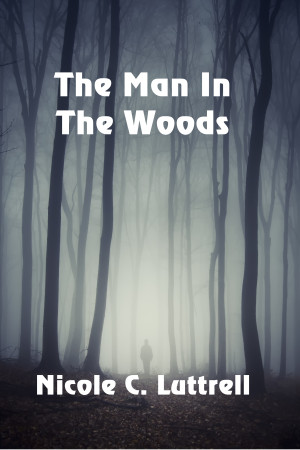 neighbors lost child after child. Then, after a deadly car crash, he has to take his sixteen-year-old granddaughter into his home.
Then a reality company starts building a new neighborhood in the heart of the woods, placing hundreds of children in harm’s way.
 virus is loose on the station, that they might never escape from.

 council. Officer Sennett Montgomery and Councilman Godfrey Anders swear to find the assassin after Godfrey’s wife is falsely accused. But the killer, and the council itself, are not what they seem. Neither, as it turns out, is Sennett’s daughter.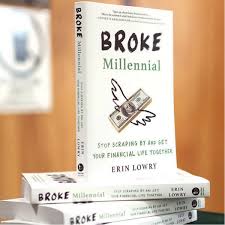




 What isn’t common is a man with thread magic. When Devon finds that he is a seer, weaving prophetic tapestries, his family tries to keep it a secret.
 casting on Good Omens was fantastic. I can’t imagine anyone else playing Crowley other than David Tennant, and I’m not just saying that because he’s The Doctor. His physical movement really sold the character, even aside from his delivery. And Michael Sheen as Aziraphale was perfect. Of course, every time I saw Jon Hamm as Gabriel, I just started laughing.
  I know this isn’t the best thing to judge about a show, but an intro means a lot to me. Yeah, I’m weird. Blame it on the Simpsons and Firefly for setting such a high bar. But this intro was a work of art. Hands down.
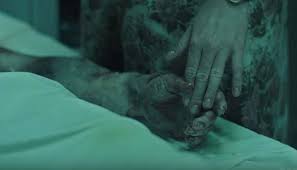 poison into the surrounding area, and then to make sure nothing like this ever happened again. And, let me tell you, it stayed very true to the story. It largely follows Valery Legasov, a nuclear physicist who was part of the response team. His tireless work to lessen the impact of the disaster saved untold lives. The work he did later was more important.
  First off, Pripyat was a company town. It was built to house the employees of the Chernobyl power plant and their families. It was nice, too. One of the most haunting pictures from Pripyat is of the Ferris wheel, that will never run again. My hometown, Butler, was also a company town. It was built to house workers of the steel industry. There are still people here who can remember being paid in company scrip from the mills.

Recent Comments